The energy transition refers to efforts to reduce dependence on fossil fuels by shifting toward energy sources that are more environmentally friendly and can be used sustainably.
This transition plays an important role in reducing greenhouse gas emissions, addressing climate change, and creating a cleaner and more sustainable energy system.
Coal, oil, and natural gas have been the primary sources of global energy for decades. However, the use of fossil fuels produces carbon emissions that contribute to global warming.
For this reason, many countries, including Indonesia, are accelerating the adoption of renewable energy. So, how does this transition take place, and what are its benefits? Read the explanation below.
What Is the Energy Transition?
The energy transition involves changing the way energy is produced and used, shifting from high-carbon energy sources toward lower-emission alternatives such as renewable energy.
This transition is not limited to replacing electricity generation sources. It also includes the use of more efficient technologies, the development of electric vehicles, and the expansion of clean energy infrastructure.
The main objective is to reduce dependence on fossil fuels and support the achievement of net zero emissions.
Through the 2015 Paris Agreement, countries around the world committed to keeping the increase in global average temperature well below 2°C above pre-industrial levels, while pursuing efforts to limit the increase to 1.5°C.
Read Also: Air Pollution as a Global Threat to Health and the Environment: How Can It Be Addressed?
Why Is the Energy Transition Important?
The use of more environmentally friendly energy sources is one of the key efforts to reduce the risks and impacts of climate change.
Most renewable energy sources produce significantly lower greenhouse gas emissions than fossil fuel-based power generation.
In addition to helping reduce carbon emissions, the energy transition also provides several other benefits, including:
- Improving energy security. Reducing dependence on fossil fuels with limited reserves.
- Improving air quality. Reducing pollution caused by the combustion of coal and petroleum-based fuels.
- Creating jobs. Opening employment opportunities in the development and operation of renewable energy facilities.
- Supporting regional economies. Attracting investment and encouraging business activities related to clean energy.
In rural areas, renewable energy projects can also help expand access to electricity and support agricultural activities through agrivoltaic technology, which combines agricultural land use with solar power generation.
Renewable Energy Sources Supporting the Transition
Renewable energy development is a key part of reducing dependence on fossil fuels. Several energy sources play an important role in this transition.
1. Hydropower
Hydropower plants generate electricity by using the movement of water to drive turbines. Water sources may include rivers, reservoirs, and dams.
One of the key advantages of hydropower is its ability to generate electricity relatively consistently when sufficient water resources are available.
2. Solar Energy
Solar energy uses sunlight to generate electricity through photovoltaic or PV panels. This technology can be installed on building rooftops, open land, and even reservoir surfaces through floating solar power plants.
3. Wind Energy
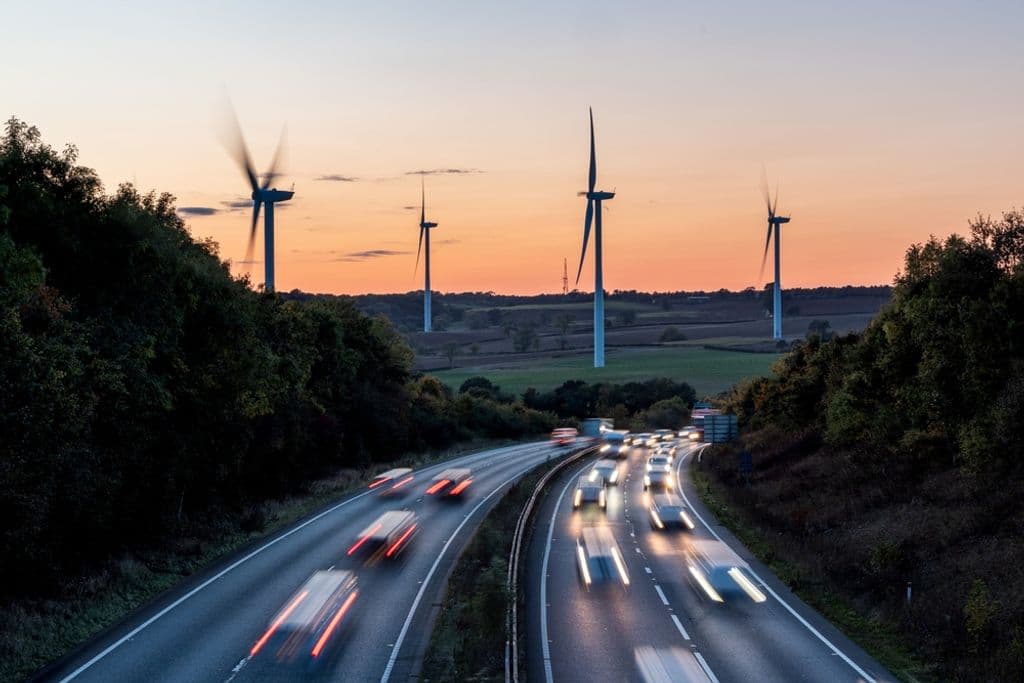
Wind power plants use turbines driven by wind to generate electricity. These facilities can be developed both onshore and offshore, particularly in areas with adequate wind speeds.
In addition to these three sources, geothermal energy and biomass also contribute to diversifying the clean energy supply.
Technologies Supporting the Energy Transition
A successful energy transition requires technologies that can maintain a reliable electricity supply while improving energy efficiency. Several supporting technologies include:
- Energy storage systems: Batteries and other storage technologies help provide electricity when sunlight is unavailable or wind conditions are weak.
- Electrification: Replacing fossil fuel-based equipment with electric alternatives, such as induction cooktops and heat pumps.
- Electric vehicles: Reducing the use of petroleum-based fuels in the transportation sector.
- Carbon capture technologies: Capturing and storing carbon emissions from industrial activities and certain types of power generation.
- Digital technologies: Using artificial intelligence and the Internet of Things (IoT) to monitor and optimize energy consumption.
Challenges in Advancing the Energy Transition
Despite its many benefits, clean energy development still faces several challenges. One of the main barriers is the significant upfront investment required to build power plants, transmission networks, and energy storage facilities.
Solar and wind power generation also depend on weather conditions, which means the electricity system needs to become more flexible.
In addition, limited infrastructure, technological readiness, and the availability of skilled workers remain challenges that need to be addressed through collaboration between governments and the private sector.
How Is the Energy Transition Progressing in Indonesia?
Indonesia strengthened its emissions reduction commitment through its Enhanced Nationally Determined Contribution (NDC) in 2022. The country increased its emissions reduction target to 31.89% through its own efforts and 43.20% with international support by 2030.
The government is also promoting clean energy development through PLN's 2025–2034 Electricity Supply Business Plan, or Rencana Usaha Penyediaan Tenaga Listrik (RUPTL).
Under the plan, around 61% of additional power generation capacity is targeted to come from renewable energy. However, accelerating development will still require significant financing, stronger electricity networks, and collaboration among multiple stakeholders.
Read Also: Distributed Energy Resources: The Future of a More Decentralized Energy System
TBS Supports a Sustainable Energy Transition
Accelerating the energy transition requires meaningful contributions from the business sector. One example is the development of renewable energy-based power generation projects by TBS.
In 2020, TBS, through PT Toba Bara Energi (TBAE), acquired PT Adimitra Energi Hidro (AEH) and PT Bayu Alam Sejahtera (BAS) to expand its clean energy portfolio.
Through AEH, the Sumberjaya Mini-Hydropower Plant project in Lampung, with a capacity of 2 × 3 MW, successfully reached its Commercial Operation Date (COD) on January 22, 2025.
With a total capacity of 6 MW, the power plant helps support the supply of clean electricity in Southern Sumatra while also delivering benefits to local communities and the surrounding environment.
Meanwhile, BAS is exploring the potential development of wind power projects in East Nusa Tenggara.
TBS is also developing the 46 MWp Tembesi Floating Solar Power Plant in Batam. The project reached financial close in 2024 and is targeted to begin commercial operations and connect to the electricity grid in 2026.
In addition to its potential to reduce carbon emissions, the project is expected to create green jobs, support technology transfer, and strengthen regional energy security.
These initiatives demonstrate that the energy transition is not simply about replacing one electricity source with another. It is also about building a more sustainable economic future.
Through the development of renewable energy projects, TBS continues to contribute to the development of a cleaner and lower-carbon energy system in Indonesia.