Distributed energy resources are becoming an important part of the energy transition because they allow electricity to be generated, stored, and managed closer to where it is used.
Across Asia, including Indonesia, the growth of renewable energy and rising electricity demand are creating a greater need for more flexible and decentralized energy systems.
For decades, electricity has generally been generated by large-scale power plants and then delivered to consumers through transmission and distribution networks.
However, advances in renewable energy technology are giving households and businesses more options to generate their own electricity. Here is a closer look.
Read Also: Smart Grid in Indonesia: Definition, How It Works, and Its Benefits
What Are Distributed Energy Resources?
Distributed energy resources are small-scale energy systems that generate, store, or manage electricity close to where the energy is used.
Unlike centralized power plants, DER can be installed in homes, commercial buildings, industrial facilities, or specific local areas.
The technologies also vary widely, ranging from rooftop solar panels to battery energy storage systems and electric vehicles that can store energy.
DER offers several benefits for electricity systems, including improving grid flexibility, reducing dependence on centralized power plants, and helping maintain a reliable electricity supply.
Common Types of Distributed Energy Resources
Distributed energy resources come in various forms and technologies. Each type serves a different function, but all play a role in generating, storing, or managing electricity closer to end users.
Here are some commonly used types of distributed energy resources.
1. Solar Panels and Wind Power
Solar panels are among the most widely used forms of DER.
Photovoltaic (PV) systems can be installed on the rooftops of homes, buildings, and commercial facilities to generate electricity directly at the point of use.
In addition to solar power, there is also distributed wind or small-scale wind power generation.
Its capacity can vary from less than 1 kilowatt to around 100 kilowatts, depending on the requirements of a particular facility.
2. Battery Energy Storage Systems
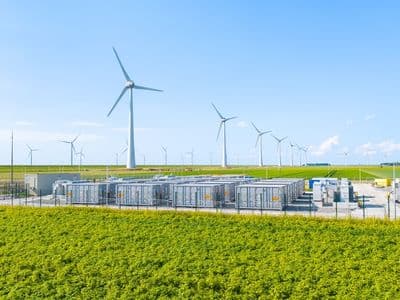
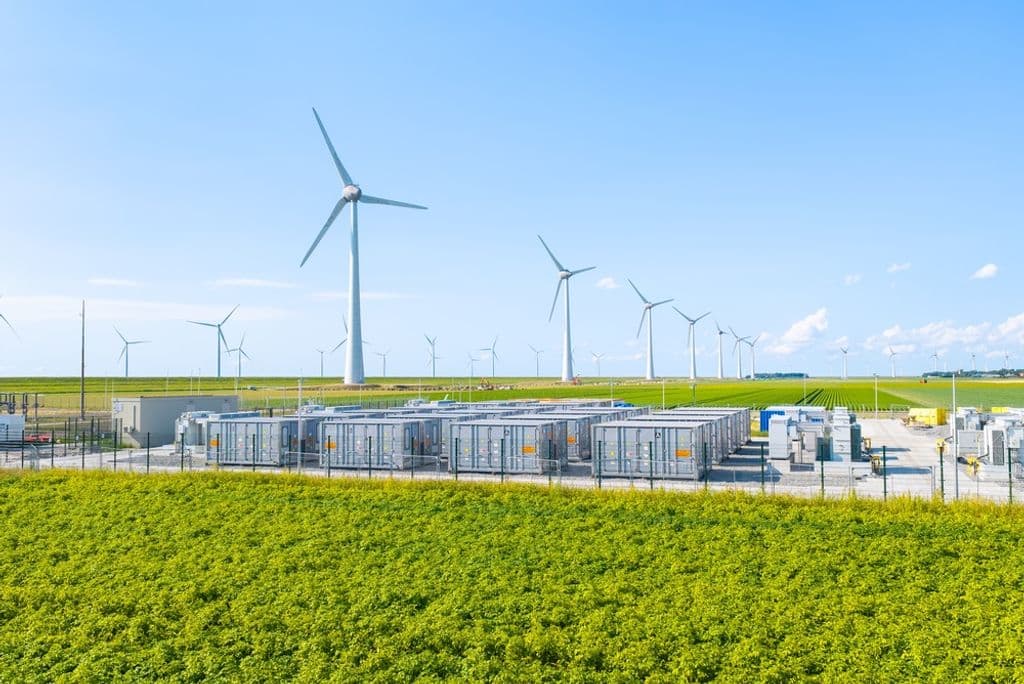
A Battery Energy Storage System (BESS) allows electricity generated during periods of high energy production to be stored and used at a later time.
This technology is important for improving grid resilience, particularly when energy sources such as solar power do not generate electricity consistently throughout the day.
3. Electric Vehicles as Energy Storage
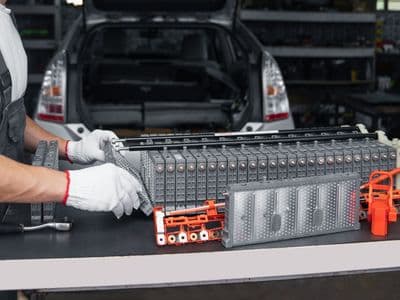
Electric vehicles also have the potential to become part of distributed energy resources.
In addition to transportation, their batteries can store energy and, with the appropriate technology, supply electricity back to the grid through concepts such as vehicle-to-grid.
4. Fuel Cells, Cogeneration, and Microturbines
DER can also include fuel cells, cogeneration, and microturbines.
Fuel cells can generate electricity using hydrogen, while cogeneration produces both electricity and heat from a single energy source.
Meanwhile, a microturbine is a small-scale power generation system that can use fuels such as biogas, natural gas, or propane.
How Does DER Support Modern Energy Systems?
One of the main advantages of distributed energy resources is their ability to support more flexible and resilient electricity grids in several ways.
1. Improving Grid Resilience and Reliability
Because energy resources are distributed across multiple locations, a disruption in one part of the grid does not necessarily affect the entire system.
DER can also operate independently under certain conditions or remain connected to the main electricity grid.
2. Reducing Energy Losses
Electricity generated close to where it is consumed does not need to travel over long transmission distances.
This can potentially reduce energy losses during electricity delivery while also easing pressure on the grid.
3. Supporting Clean Energy
Renewable-based DER, such as solar panels and wind power systems, can increase the use of low-emission energy.
Reducing dependence on fossil fuels can also help lower carbon emissions and improve air quality.
Challenges of DER Development in Asia
Asia is one of the regions experiencing rapid growth in energy demand.
Southeast Asia alone is estimated to account for around 25% of global energy demand growth through 2030.
However, the region’s energy transition faces several challenges.
Vietnam, for example, experienced rapid solar power growth between 2019 and 2021, adding more than 16 GW of capacity, with rooftop solar making a significant contribution.
This rapid expansion also created challenges such as grid constraints, curtailment, and regulatory uncertainty.
Other ASEAN countries face different challenges.
The Philippines needs to manage electricity systems across more than 7,000 islands, while Cambodia continues to face limitations in transmission infrastructure and dependence on imported fossil fuels.
In Thailand, a highly centralized approach to energy planning also presents challenges in maximizing the potential of decentralized solutions.
For this reason, DER development requires grid investment, supportive regulations, coordination among stakeholders, and smart grid technologies.
The Potential of Distributed Energy Resources in Indonesia
Indonesia is also strengthening the development of renewable energy and smart grid technologies as part of its energy transition.
Solar energy represents one of the most important opportunities because it can be deployed at various scales, from household installations to large-scale power generation projects.
At the same time, Indonesia also has other renewable energy resources, including geothermal, hydropower, biomass, and wind.
Combining these different sources can help create a more diversified energy system that is less dependent on a single type of power generation.
DER development is also particularly relevant for Indonesia because of its geography, which consists of thousands of islands.
A more decentralized energy system can be one approach to improving energy access and resilience in certain regions.
Read Also: New and Renewable Energy: Lessons from Countries That Have Successfully Transitioned
TBS’s Role in Renewable Energy Development
The development of future energy systems requires a combination of large-scale power generation and more flexible energy solutions.
In line with this need, TBS continues to expand its renewable energy portfolio through various environmentally friendly power generation projects.
One example is the Sumberjaya Mini-Hydropower Plant in Lampung.
In 2020, through its subsidiary PT Toba Bara Energi (TBAE), TBS acquired PT Adimitra Energi Hidro (AEH), the developer of a 2 x 3 MW mini-hydropower project.
The project reached its Commercial Operation Date (COD) on January 22, 2025, and now contributes 6 MW of clean energy to the Southern Sumatra region.
In addition to hydropower, TBS is developing the Tembesi Floating Solar Power Plant in Batam.
The project reached financial close in 2024 and is targeted to begin full commercial operations and connect to the national electricity grid in 2026.
The floating solar project has a capacity of 46 MWp and is currently under construction.
The Tembesi project is also expected to deliver broader benefits, ranging from lower carbon emissions and improved air quality to green job creation, technology transfer, and stronger sustainable development in Batam.
As energy demand continues to rise across Asia, renewable energy development is becoming increasingly important.
Indonesia also has significant opportunities to harness this potential by combining multiple energy sources.
Commitment to the energy transition is also reflected in TBS’s development of renewable energy projects.
Through these initiatives, TBS continues to contribute to the development of cleaner and more sustainable energy in Indonesia.