Hazardous and Toxic waste (B3) management is a critical process to reduce environmental pollution risks and health hazards caused by toxic and dangerous waste, both from households and industries. With the right methods, supported by technology and regulations, Hazardous and Toxic waste management can help create a safer and more sustainable environment in Indonesia.
What Is Hazardous and Toxic Waste (B3) and Why Must It Be Properly Managed?
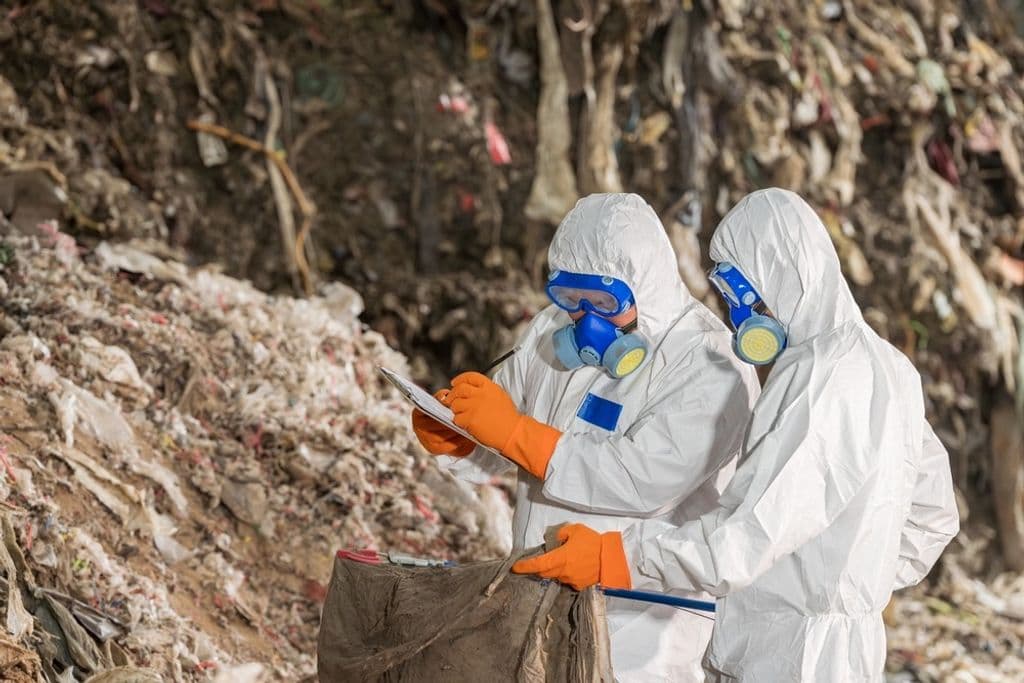
Hazardous and Toxic waste (B3 – Bahan Berbahaya dan Beracun) refers to residues from activities that contain dangerous and toxic substances that can harm the environment and human health.
This type of waste does not only come from large industries but also from everyday activities, such as used batteries, fluorescent lamps, expired medicines, and household chemical liquids.
In Indonesia, the volume of Hazardous and Toxic waste continues to increase along with industrial growth and urbanization. According to data from the Ministry of Environment and Forestry in 2022, tens of millions of tons of Hazardous and Toxic waste are generated annually, with a large portion already managed through various treatment methods.
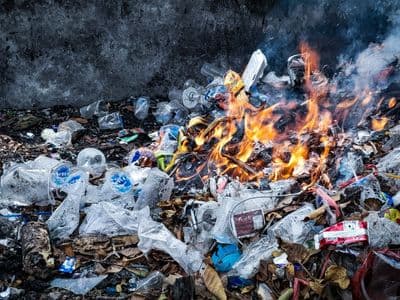
If not properly handled, this waste can contaminate water, soil, and air. The impact can be severe, ranging from ecosystem damage to health issues such as chronic diseases, respiratory disorders, and even poisoning.
Therefore, Hazardous and Toxic waste management must be carried out in accordance with established standards and regulations in Indonesia.
Common Hazardous and Toxic Waste Treatment Methods
Hazardous and Toxic waste is treated using various methods depending on its type. Below are some commonly applied methods:
1. Chemical, Physical, and Biological Methods
These methods are used to alter the properties of waste to make it less harmful.
Chemically and physically, techniques such as stabilization and solidification are applied by mixing waste with materials like cement or lime to prevent toxic substances from spreading.
Biological methods, such as bioremediation, use microorganisms to break down Hazardous and Toxic substances. Another approach is phytoremediation, which uses plants to absorb contaminants from the soil.
These methods are more environmentally friendly but typically require longer processing times.
2. Incineration (High-Temperature Combustion)
Incineration involves burning waste at high temperatures to reduce its volume and Hazardous and Toxic nature. In Indonesia, this method is widely used for medical and industrial Hazardous and Toxic waste.
Studies conducted at integrated waste management facilities in Medan show that incinerators can process Hazardous and Toxic waste while maintaining emissions below government standards, making them safe when operated properly.
Additionally, incineration technology must achieve a destruction efficiency of up to 99.99% to effectively reduce Hazardous and Toxic waste risks.
However, strict monitoring is essential to prevent air pollution from toxic emissions generated during the process.
3. Medical Waste Management in Hospitals
One practical example of Hazardous and Toxic waste management in Indonesia can be found in hospitals, particularly in handling medical waste such as syringes, infectious waste, and pharmaceutical materials.
Research in Type A and B hospitals in Jakarta shows that incineration is the primary method used for treating medical waste.
However, this process must meet strict standards, including the proper handling of ash residues and emission control to prevent environmental contamination.
This highlights that Hazardous and Toxic waste management does not end with the primary treatment process but also includes managing its by-products.
4. Secure Landfill and Specialized Containment
Another method is the use of secure landfills, which are specially designed disposal sites for Hazardous and Toxic waste.
Waste is stored in specialized containers before being buried in areas equipped with multi-layer protection systems to prevent leakage.
Liquid waste can also be stored in specially lined ponds. However, this method carries risks if leakage or system failure occurs.
Examples of Hazardous and Toxic Waste Management in Indonesia
Indonesia has implemented various Hazardous and Toxic waste management systems in different regions.
One example is the use of incinerators at Integrated Waste Management Facilities (FPLT) in the Medan area. These facilities are capable of processing large volumes of Hazardous and Toxic waste while complying with government emission standards.
Another example is the management of medical waste during the COVID-19 pandemic. The Indonesian government built dozens of incinerators to handle the surge in medical waste, much of which falls under Hazardous and Toxic waste.
This technology proved effective in significantly reducing waste volume.
In the industrial sector, Hazardous and Toxic waste management is also carried out through integrated systems using modern technology to minimize environmental impact. These systems include collection, transportation, treatment, and final disposal with high safety standards.
In the development of the waste management industry in Indonesia, several companies have also contributed to building more integrated systems. One of them is TBS Energi Utama, which is developing its waste management business as part of its environmental sustainability efforts.
Challenges in Hazardous and Toxic Waste Management in Indonesia
Despite various methods being implemented, Hazardous and Toxic waste management in Indonesia still faces several challenges.
One of the main issues is the limited availability of treatment facilities in certain regions, making it difficult to manage all waste optimally.
Additionally, illegal waste disposal practices still occur and can lead to environmental pollution.Public awareness regarding the importance of separating Hazardous and Toxic waste also remains relatively low.
From a technological perspective, methods such as incineration require high costs and strict monitoring. If not managed properly, they may create new environmental issues, particularly air pollution.
TBS Energi Utama and Its Role in Sustainable Hazardous and Toxic Waste Management
Hazardous and Toxic waste management is a crucial step in protecting both the environment and public health in Indonesia.
Through various methods such as incineration, stabilization, bioremediation, and secure landfill systems, Hazardous and Toxic waste can be managed more safely and effectively.
Although progress has been made, further improvements are still needed in terms of technology, regulation, and public awareness. Therefore, collaboration among all stakeholders is essential.
As part of this effort, TBS Energi Utama plays a role in strengthening integrated waste management systems across Indonesia and Singapore.
Since 2023, TBS has acquired AMES and ARAH, companies specializing in medical and Hazardous and Toxic waste management, and further expanded its business by acquiring Sembcorp Environment in 2025, now known as CORA Environment.
Through this integration, TBS is developing more modern and sustainable waste management solutions, aligned with its TBS2030 target to reduce environmental impact and create long-term value.
Conclusion
Hazardous and Toxic waste management is essential in addressing environmental and health challenges in Indonesia.
By implementing appropriate methods, supported by strong regulations and public awareness, Indonesia has a significant opportunity to manage Hazardous and Toxic waste more effectively and sustainably.
Let us commit to advancing sustainable waste management together with TBS Energi Utama to build a cleaner, safer, and more sustainable future.