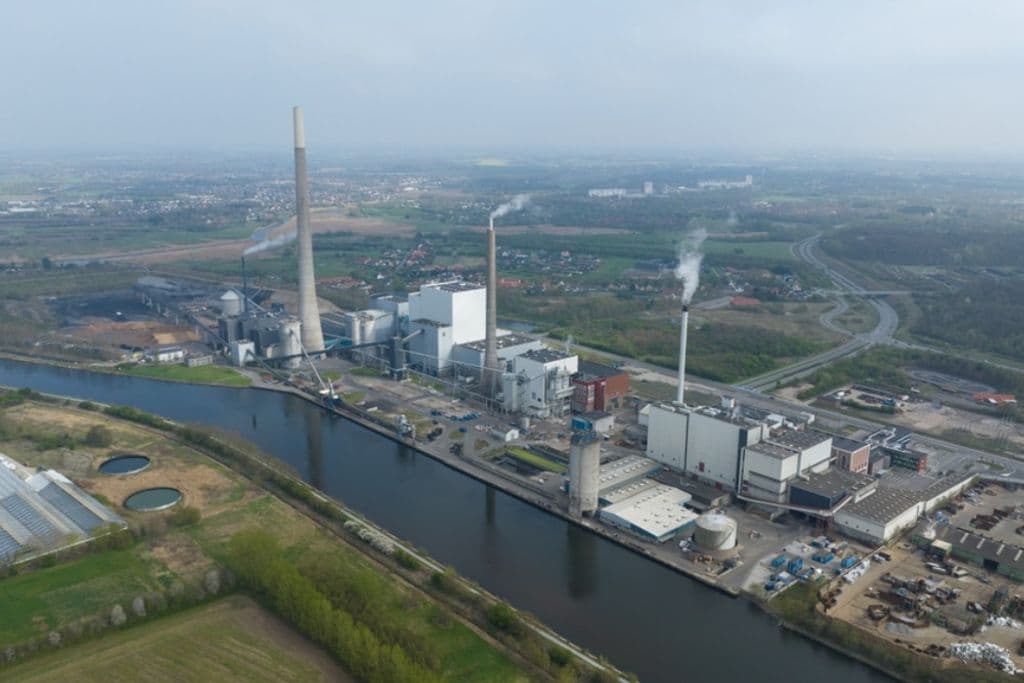
Waste-to-energy (WTE) power plants have emerged as an innovative solution to reduce waste volume while generating electricity in Indonesia. However, this solution still requires strict hazardous waste (B3) management to prevent environmental impacts.
This technology not only helps address the national waste crisis but also supports the transition toward more sustainable energy systems.
Understanding Waste-to-Energy Power Plants
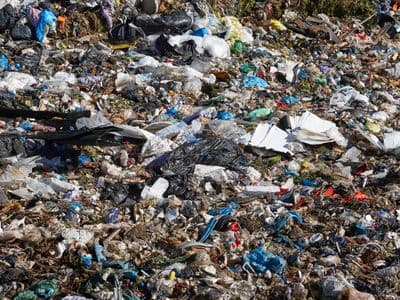
Waste is a byproduct of human activities, both from households and industries, and its volume continues to increase every year. In Indonesia, waste management remains a major challenge, as a significant portion is still not properly handled.
Recent data shows that more than half of the country’s waste is not optimally managed, posing risks to the environment and public health.
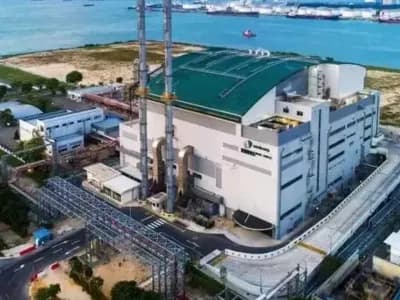
In this context, waste-to-energy (WTE) power plants offer an alternative solution by integrating waste management with energy production.
This technology enables waste, which was previously considered useless, to be converted into electrical energy through thermal (combustion) or non-thermal (biological or chemical) processes.
One example of WTE implementation in Indonesia is the integrated waste management facility in Bantargebang, Jakarta. This site serves as a pilot project demonstrating how waste can be processed into electricity using modern technology.
How Does It Work?
In general, the operation of a waste-to-energy power plant involves several key stages:
1. Waste Reception and Sorting
Waste from various sources is collected at the processing facility. At this stage, waste is sorted into combustible and non-combustible materials to improve efficiency in the next steps.
2. Pre-treatment
Waste with high moisture content is typically dried or processed into Refuse-Derived Fuel (RDF). This process increases calorific value to optimize combustion.
3. Incineration Process
Waste is burned in a boiler at high temperatures, around 850–1,000°C. The heat generated is used to produce high-pressure steam.
4. Electricity Generation
The steam is directed to a turbine connected to a generator. The rotation of the turbine produces electricity, which is then supplied to the power grid.
5. Cooling and Water Recycling
After use, the steam is cooled and condensed back into water, which is reused in the system to improve efficiency and conserve resources.
6. Emission Control and Residue Treatment
Combustion gases are filtered using advanced technology to meet emission standards. Meanwhile, solid residues such as ash must be carefully managed, as they fall under hazardous waste (B3).
WTE and Hazardous Waste Management
Although waste-to-energy offers many benefits, it also produces hazardous by-products that must not be overlooked.
One of the main by-products of the combustion process is ash, which is divided into two types: bottom ash and fly ash.
- Bottom ash is typically found at the bottom of the combustion chamber and, in some cases, can be reused, for example, as construction material.
- Fly ash, carried with flue gas, often contains hazardous substances such as heavy metals and toxic compounds, making it classified as hazardous waste (B3).
The management of hazardous waste from WTE plants must be carried out strictly through several stages:
- Storage in secure and enclosed facilities
- Transportation by licensed operators
- Treatment at authorized hazardous waste facilities
- Regular monitoring to prevent leakage or contamination
In addition, emission control is a top priority, as combustion can produce harmful gases such as dioxins, furans, sulfur dioxide, and nitrogen oxides.
Therefore, modern WTE plants are equipped with advanced filtration systems to ensure emissions remain within safe limits.
The Role of the Private Sector
In Indonesia, challenges in hazardous waste management are increasingly complex due to the composition of waste, which is largely organic with high moisture content.
This condition affects combustion efficiency and may increase the amount of residue generated.
Amid efforts to improve waste management and energy transition, the private sector is also playing an important role.
One example is TBS Energi Utama, which actively develops renewable energy projects in Indonesia, such as hydropower and solar power plants.
Although its primary focus is not on WTE, these initiatives contribute to building a cleaner and more sustainable energy system and help reduce the environmental impact of the energy sector.
Benefits and Challenges of Waste-to-Energy in Indonesia
The implementation of WTE power plants offers several significant benefits, particularly in addressing national waste issues:
Benefits:
- Significant waste volume reduction WTE can reduce waste volume by up to 80–90%, extending landfill lifespan.
- Renewable energy generation Electricity generated from waste serves as an alternative to fossil fuels.
- Reduced greenhouse gas emissions Direct waste processing reduces methane formation in landfills, helping mitigate climate change.
- Supporting national energy security WTE provides a stable additional energy source, especially in urban areas with high waste production.
Challenges:
- Large waste supply requirements (minimum ~1,000 tons/day for efficiency)
- High investment and operational costs, including emission control technologies
- Environmental risks if hazardous waste is not properly managed
- Public resistance due to health concerns
Additionally, some experts argue that alternative technologies such as biogas may be more suitable for Indonesia, given its high organic waste content.
Therefore, the approach should be tailored to the characteristics of waste in each region.
The Indonesian government continues to promote WTE development through various policies, including Presidential Regulation No. 35 of 2018, which aims to accelerate the development of waste-to-energy facilities in major cities.
TBS Energi Utama and Its Contribution to Sustainable Waste Management
Waste-to-energy power plants represent an important solution for addressing both waste management and energy needs in Indonesia. However, strict hazardous waste management is essential to ensure environmental safety.
In this context, the role of the private sector is increasingly important in supporting modern and integrated waste management systems.
One example is TBS Energi Utama, which is strengthening its waste management business across Indonesia and Singapore.
In 2023, TBS acquired AMES and ARAH in Indonesia through PT Solusi Bersih TBS (SBT) to manage medical, hazardous, domestic, and electronic waste.
Then, in March 2025, the company acquired Sembcorp Environment (SembEnviro) in Singapore, which was later rebranded as CORA Environment in September 2025.
This move strengthens the company’s position in regional waste management and supports the development of sustainable solutions, including waste-to-energy initiatives.
With these contributions, TBS Energi Utama continues to play a key role in driving a cleaner and more sustainable future for Indonesia and Southeast Asia.