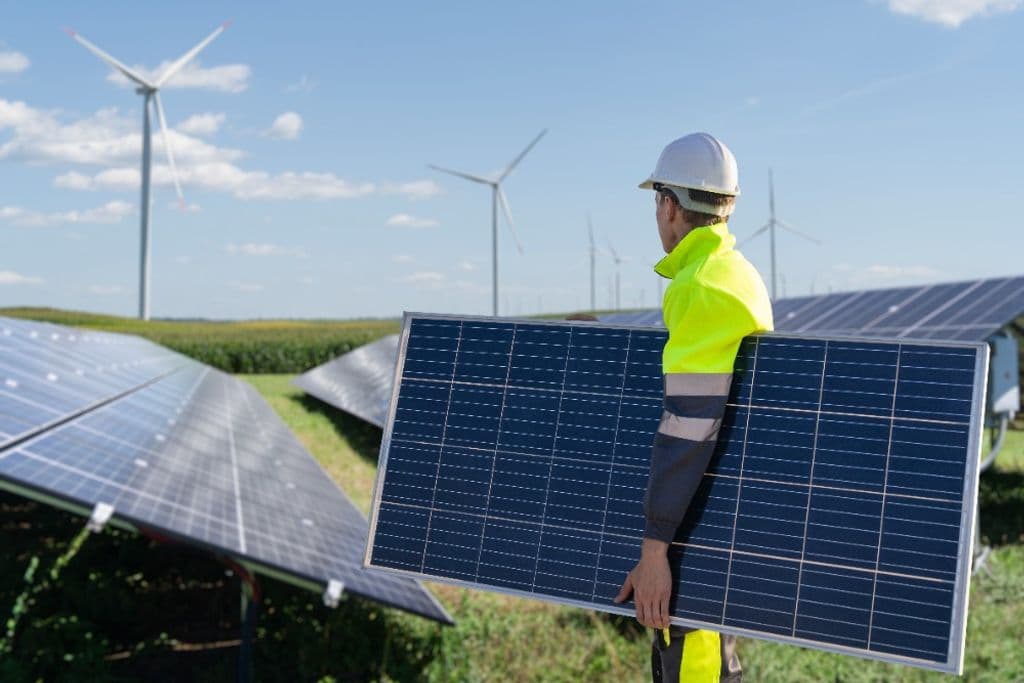
A solar power plant is one of the renewable energy sources that utilizes sunlight to generate electricity.
This technology offers various benefits, ranging from reducing greenhouse gas emissions, decreasing dependence on fossil fuels, to supporting energy independence in Indonesia.
Supported by a tropical climate with abundant sunlight throughout the year, Indonesia has significant potential to develop solar power plants as a clean and sustainable energy solution.
What Is a Solar Power Plant?
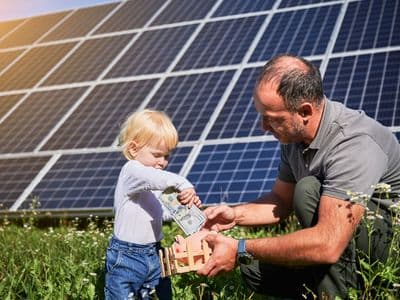
A solar power plant (PLTS) is an electricity generation system that uses solar energy as its main source to produce electricity.
Solar energy is captured by solar panels and converted into electrical energy that can be used for household, business, and industrial needs.
Compared to fossil energy sources such as coal and oil, solar power plants are more environmentally friendly because they do not directly produce carbon emissions during operation.
In addition, sunlight is a naturally available energy source that can be continuously renewed.
Read Also: Energy Diversification: The Importance of Renewable Energy for Indonesia’s Future
How Does a Solar Power Plant Work?
In general, solar power plants work by converting sunlight energy into electricity through photovoltaic (PV) technology. The process works as follows:
1. Solar Panels Capture Solar Energy
Solar panels consist of photovoltaic cells made from semiconductor materials such as silicon. When exposed to sunlight, these cells absorb light energy and trigger the movement of electrons.
2. Solar Energy Is Converted into DC Electricity
The movement of electrons in solar cells generates direct current (DC) electricity. At this stage, the electricity cannot yet be directly used by most electronic devices.
3. Inverter Converts DC Electricity into AC Electricity
The DC electricity is then sent to an inverter to be converted into alternating current (AC). This type of electricity is used by electrical grids and various everyday electronic devices.
4. Electricity Is Used or Stored
After being converted into AC electricity, the power can be directly used to meet energy needs. If there is excess electricity production, the energy can be stored in batteries for use at night or during cloudy weather.
Types of Solar Power Plants
There are several types of solar power plants used according to their needs and installation locations.
1. Off-Grid Solar Power Plant
An off-grid solar power plant is not connected to the main electricity grid. This system is usually used in remote areas that do not yet have access to electricity. Since it operates independently, an off-grid system is generally equipped with energy storage batteries.
2. On-Grid Solar Power Plant
An on-grid solar power plant is directly connected to the national electricity grid. This system allows electricity generated by solar panels to be used together with electricity supplied from the main grid.
3. Hybrid Solar Power Plant
A hybrid solar power plant combines solar energy with other energy sources, such as generators or diesel-based power plants. This system helps maintain a stable electricity supply when sunlight intensity decreases.
4. Rooftop Solar Power Plant
A rooftop solar power plant is one of the most widely known types among the public. Solar panels are installed on rooftops of houses, office buildings, educational facilities, and industrial areas to meet the electricity needs of these buildings.
5. Floating Solar Power Plant
A floating solar power plant is installed on water surfaces such as reservoirs, lakes, or dams. Besides reducing land use, this technology can also help reduce water evaporation rates.
6. Solar Thermal Power Plant
Unlike photovoltaic technology, solar thermal power plants use solar heat to warm certain fluids until they produce steam. The steam is then used to drive turbines and generate electricity.
Benefits of Solar Power Plants
As one of the clean energy technologies, solar power plants provide various benefits for society and the environment.
1. Reducing Greenhouse Gas Emissions
Solar power plants do not produce carbon emissions during operation, helping reduce the impact of climate change and maintain environmental quality.
2. Reducing Dependence on Fossil Energy
The use of solar energy can reduce dependence on coal, oil, and natural gas, which are limited resources and produce high emissions.
3. Abundant Energy Source
The sun is an energy source that is available every day and will not run out in the near future. This makes solar energy a sustainable long-term energy solution.
4. Reducing Electricity Costs
Although the initial installation cost is relatively high, using solar power plants can help reduce electricity bills in the long term because the energy source comes from free sunlight.
5. Increasing Energy Independence
By utilizing solar power plants, households and companies can reduce dependence on fluctuations in conventional energy prices and external electricity supplies.
6. Increasing Property Value
Buildings equipped with solar panels generally have higher appeal to buyers or investors because they are considered more efficient and environmentally friendly.
Read Also: Opportunities and Challenges of Renewable Energy in Indonesia: Potential, Barriers, and Solutions
Implementation of Solar Power Plants in Indonesia
Indonesia has significant solar energy potential due to its tropical location with high levels of sunlight throughout the year. This potential creates wide opportunities for solar power plant development across various sectors.
Currently, solar power plants have been implemented in residential areas, commercial buildings, public facilities, industries, and large-scale projects.
Besides helping meet energy needs, solar power utilization also supports national targets to increase the share of new and renewable energy.
The development of floating solar power plants has also gained attention because it can utilize large water areas without reducing productive land. This innovation is expected to accelerate energy transition while strengthening national energy security.
TBS and Its Commitment to Developing Renewable Energy in Indonesia
The development of solar power plants and renewable energy in Indonesia requires support from various stakeholders, including the private sector.
One company actively contributing to the energy transition is TBS Energi Utama through various renewable energy projects developed in different regions.
In 2020, through PT Toba Bara Energi (TBAE), TBS strengthened its renewable energy portfolio by acquiring PT Adimitra Energi Hidro (AEH), a developer of a Mini Hydropower Plant (MHPP) with a capacity of 2 x 3 MW in Lampung.
The acquisition was also carried out for PT Bayu Alam Sejahtera (BAS), which explores wind energy development opportunities in East Nusa Tenggara.
An important achievement was reached when the AEH Mini Hydropower Plant project in Sumberjaya, Lampung, achieved Commercial Operation Date (COD) on January 22, 2025, and began contributing 6 MW of clean energy to the southern Sumatra region.
The presence of this power plant not only produces stable and sustainable energy but also provides benefits for communities through improved electricity access, infrastructure development, and environmental conservation support.
In addition, TBS is also developing the Floating Solar PV Power Plant project in Tembesi, Batam. This project reached Financial Closing stage in 2024 and is targeted to begin commercial operation and connect to the national electricity grid in 2026.
The floating solar power plant is expected to create positive impacts through carbon emission reductions, improved air quality, green job creation, and technology transfer while encouraging collaboration with local communities.
Currently, TBS is also developing a 46 MWp Floating Solar Power Plant in Batam, which will strengthen the company’s contribution to providing clean energy in Indonesia.
Through these projects, TBS Energi Utama demonstrates its commitment to supporting the transition toward a more sustainable and environmentally friendly energy future.