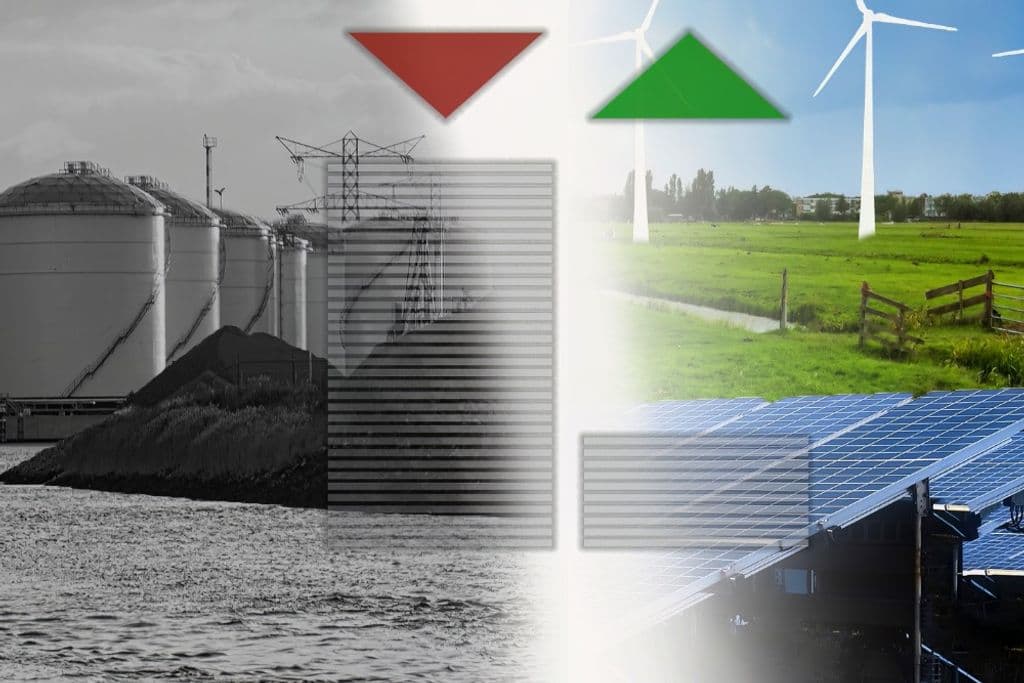
Energy diversification has become one of Indonesia’s key strategies to meet growing energy demand while reducing the impacts of climate change.
By utilizing various renewable energy sources such as solar, hydropower, wind, biomass, and geothermal energy, Indonesia can strengthen its national energy security, reduce carbon emissions, and promote more sustainable economic growth.
As population growth and economic activities continue to accelerate, the country's energy demand is steadily increasing. Therefore, developing renewable energy is a crucial step toward creating a safer, cleaner, and more sustainable energy system.
With effective energy diversification, Indonesia can not only reduce its dependence on fossil fuels but also create new economic opportunities and improve public welfare.
Why Is Energy Diversification Becoming More Important for Indonesia?
Energy diversification refers to efforts to utilize multiple energy sources rather than relying on a single type of energy. This strategy is increasingly important because it offers numerous benefits for Indonesia.
1. Reducing Greenhouse Gas Emissions
One of the main reasons energy diversification is important is its ability to reduce greenhouse gas emissions. Renewable energy sources such as solar, wind, and biomass can generate electricity without releasing large amounts of carbon into the atmosphere.
As a country committed to achieving net-zero emissions by 2060, Indonesia must accelerate the adoption of clean energy. This aligns with global efforts to mitigate climate change and preserve the environment for future generations.
2. Strengthening National Energy Security
Dependence on fossil fuels makes energy supplies vulnerable to price fluctuations and global geopolitical conditions.
Through energy diversification, Indonesia can strengthen energy security by utilizing domestic resources. The use of solar, geothermal, hydropower, and biomass energy can create a more stable energy system while reducing reliance on imported energy.
3. Driving Economic Growth and Job Creation
The transition to renewable energy benefits not only the environment but also the economy.
The development of solar, wind, and hydropower plants requires workers across various fields, including construction, operations, and maintenance.
In addition to creating new jobs, investments in renewable energy stimulate infrastructure development and economic activities across different regions of Indonesia.
4. Maximizing Indonesia’s Natural Resources
Indonesia possesses enormous renewable energy potential. Its location along the equator allows it to receive abundant sunlight year-round, making it ideal for solar power generation.
At the same time, Indonesia holds the world's largest geothermal reserves. This potential provides a strong foundation for supporting energy diversification and meeting the nation’s long-term electricity needs sustainably.
Read More: The Role of Renewable Energy in Driving Indonesia’s Economic Growth
Renewable Energy Potential Supporting Energy Diversification
According to a report by the Institute for Essential Services Reform (IESR) titled “Beyond 443 GW: Indonesia's Infinite Renewable Energy Potentials,” Indonesia possesses vast renewable energy resources, with total estimated potential ranging from 6,811–7,879 GW.
This potential includes:
- Solar energy: 6,749–7,714 GW
- Small-scale hydropower (micro hydro): 6–28 GW
- Wind energy: 19.8–106 GW
- Biomass: 30.7 GW
These figures demonstrate that energy diversification is not merely an option but a strategic necessity for Indonesia’s future.
1. Geothermal Energy
Geothermal energy is derived from heat stored beneath the Earth’s surface. As a country located along the Pacific Ring of Fire, Indonesia possesses the world’s largest geothermal reserves and has the potential to become a major supplier of clean energy.
2. Solar Energy
Solar energy converts sunlight into electricity through photovoltaic panels. It is one of the most abundant and environmentally friendly energy sources and can be developed across various regions of Indonesia.
3. Hydropower
Hydropower utilizes river flows and reservoirs to drive electricity-generating turbines. In addition to producing clean energy, hydropower plants have long operational lifespans.
4. Biomass Energy
Biomass energy comes from organic materials such as agricultural waste, wood waste, and food scraps. Utilizing biomass helps reduce waste while generating energy that can replace fossil fuels.
5. Wind Energy
Wind energy is generated through turbines that convert the kinetic energy of wind into electricity. Several regions in Indonesia, particularly coastal and island areas, have strong potential for wind power development.
6. Wave and Tidal Energy
As a maritime nation, Indonesia has significant opportunities to harness ocean energy. Wave and tidal technologies can become alternative energy sources that support future energy diversification efforts.
Positive Impacts of Energy Diversification for Indonesia
The use of diverse renewable energy sources offers broad benefits for both society and the nation.
First, energy diversification enhances national energy security by reducing dependence on a single energy commodity and creating a more resilient energy supply system.
Second, renewable energy development encourages the growth of new green industries, including solar panel manufacturing, wind turbine production, and energy storage technologies.
These industries have the potential to create high-quality jobs and strengthen Indonesia’s economic competitiveness.
Third, the adoption of clean energy supports Indonesia’s low-carbon development goals, which are an essential component of the country's sustainable development agenda.
Read More: Opportunities and Challenges of Renewable Energy in Indonesia: Potential, Barriers, and Solutions
Working with TBS to Advance Energy Diversification for a Sustainable Future
Achieving energy diversification in Indonesia requires support from multiple stakeholders, including the private sector. As part of its commitment to the energy transition, TBS continues to expand its renewable energy portfolio through strategic projects across Indonesia.
In 2020, through PT Toba Bara Energi (TBAE), TBS acquired PT Adimitra Energi Hidro (AEH), the developer of a 2x3 MW Mini Hydropower Plant (PLTM) in Lampung.
TBS also acquired PT Bayu Alam Sejahtera (BAS), which explores wind energy opportunities in East Nusa Tenggara.
A significant milestone was achieved when AEH’s mini-hydropower project officially reached its Commercial Operation Date (COD) on January 22, 2025. The plant now contributes 6 MW of clean energy to the Southern Sumatra region.
In addition, TBS is developing the Floating Solar PV Power Plant project in Tembesi, Batam.
The project successfully reached the financial closing stage in 2024 and is targeted to begin commercial operations in 2026 after integration with the national electricity grid.
Currently, TBS is also developing a 46 MWp floating solar power plant in Batam.
The project is expected to reduce carbon emissions, improve air quality, create green jobs, and encourage technology transfer and collaboration with local communities.
Through these initiatives, TBS Energy demonstrates its commitment to supporting energy diversification and accelerating the transition toward a cleaner, more resilient, and sustainable energy future for Indonesia.