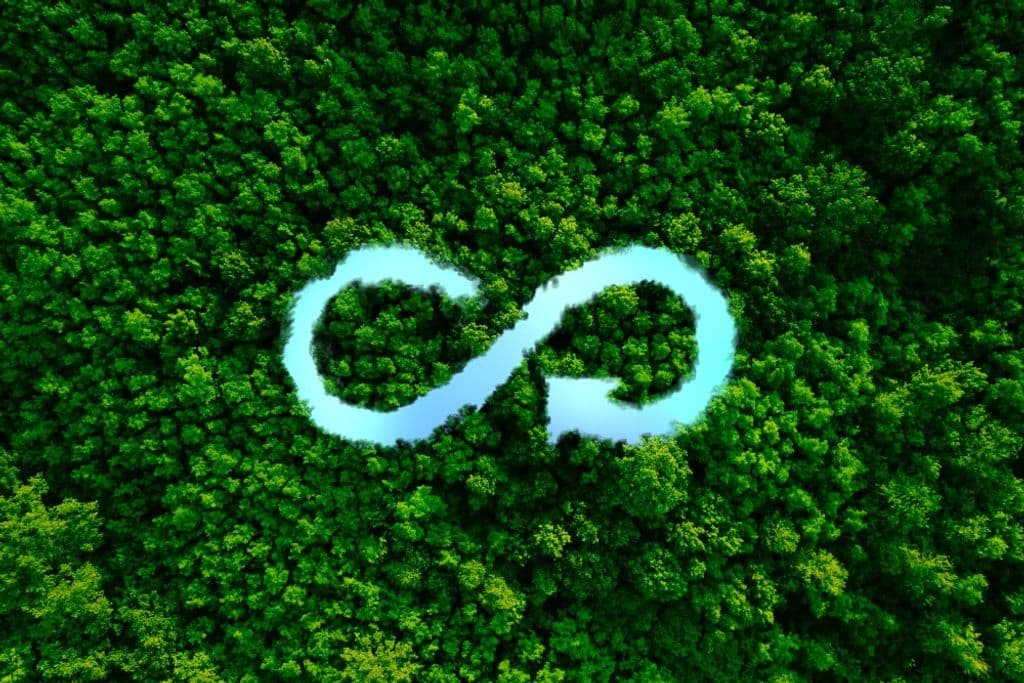
Circular economy has become an important solution for Indonesia to address waste problems, resource limitations, and carbon emissions while also creating new economic opportunities.
Through this approach, waste is no longer seen as a problem, but as a resource that can be processed into new products, energy, and sustainable economic value.
Amid growing awareness of environmental issues, Indonesia is gradually moving away from the traditional linear economy model of “take–use–dispose” toward a more efficient and environmentally friendly system.
Today, the concept of circular economy is increasingly being implemented in waste management, recycling industries, and the development of waste-based alternative energy.
What Is Circular Economy?
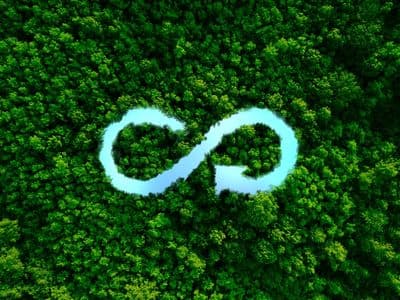
Circular economy is an economic model designed to maintain the value of products, materials, and resources for as long as possible through reuse, repair, recycling, and regeneration.
Unlike the linear economy that generates large amounts of waste, the circular economy promotes more sustainable production and consumption systems. Its main principles include:
- Reducing waste generation
- Reusing materials and products
- Recycling resources so they can be used repeatedly
- Reducing the exploitation of new natural resources
- Converting waste into energy or new products
This approach not only benefits the environment but also creates cost efficiency and new business opportunities.
Why Is Circular Economy Important in Indonesia?
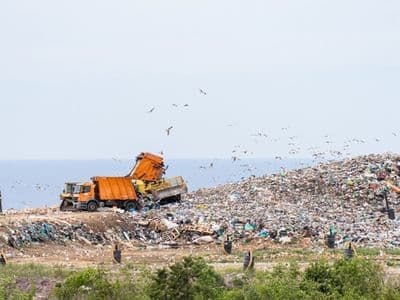
Indonesia faces major challenges in waste management. National waste generation reaches tens of millions of tons every year, and most of it still ends up in landfills.
This condition contributes to environmental pollution, greenhouse gas emissions, and public health problems.
By implementing a circular economy, waste can be transformed into economically valuable resources. This approach also helps Indonesia reduce dependence on virgin raw materials while supporting sustainable development goals.
In addition, the circular economy opens significant opportunities for MSMEs and creative entrepreneurs.
Many businesses have started utilizing plastic waste, textile scraps, and reclaimed wood to create value-added products such as accessories, furniture, and eco-friendly packaging.
Waste as a New Source of Value
One of the core ideas of the circular economy is changing the way people view waste. Today, various innovations prove that waste can be processed into new products with high economic value.
For example, plastic waste is now being turned into paving blocks, plastic asphalt, and textile materials. In the fashion industry, used clothing is also being collected and recycled into new materials.
Waste bank programs in many regions have become real examples of circular economy implementation at the community level. Residents can sort and deposit waste to earn economic value while helping reduce waste volume.
Circular Economy in Jakarta’s Waste Management
Jakarta is one of the cities that has started implementing circular economy concepts in modern waste management. Through the Jakarta Environmental Agency, several waste processing projects are being developed to reduce dependence on landfills.
One of the main projects is the RDF Plant Bantargebang. This facility processes 500–600 tons of waste per day into Refuse-Derived Fuel (RDF), an alternative fuel that replaces coal for industrial purposes, particularly in cement kilns.
Through sorting, shredding, and drying processes, waste that previously accumulated in landfills can now be reused as an energy source.
The RDF produced has a calorific value of around 3,200–3,400 kcal/kg, helping reduce emissions from fossil fuel usage.
Jakarta is also developing the Merah Putih Waste-to-Energy Plant (PLTSa) and conducting landfill mining to recover reusable materials from old waste piles.
In addition to Bantargebang, Jakarta is preparing the RDF Rorotan facility, designed to process up to 2,500 tons of waste per day. The facility will use automated sorting, drying, shredding, and odor and emission control technologies.
Its presence is expected to accelerate waste reduction to landfills while supporting Jakarta’s emission reduction targets.
Challenges in Implementing Circular Economy
Despite its huge potential, implementing a circular economy in Indonesia still faces several challenges. Transitioning to a circular economic system requires investment in technology, waste management infrastructure, and public education.
In addition, changing public mindset is equally important. Many people and businesses still see waste as worthless. In fact, with the right innovation and management, waste can become a new source of income.
Regulatory support, collaboration between government and the private sector, and community participation are key to the success of the circular economy in Indonesia.
TBS and the Future of Circular Economy in Southeast Asia
The implementation of circular economy practices in Indonesia is also being strengthened by the private sector, including strategic initiatives by TBS in integrated waste management across Indonesia and Singapore.
In 2023, TBS built the foundation of its waste management business through the acquisition of Asia Medical Enviro Services (AMES) and ARAH, companies engaged in medical waste, hazardous waste, domestic waste, and electronic waste management.
All these businesses were later consolidated under PT Solusi Bersih TBS (SBT).
Another major step was taken in March 2025 when TBS completed the full acquisition of Sembcorp Environment (SembEnviro), a Singapore-based waste management company specializing in municipal solid waste, recycling, and environmental solutions.
In September 2025, SembEnviro was officially rebranded as CORA Environment, creating a new identity that unifies all TBS waste management businesses under one regional platform.
Through AMES, ARAH, and CORA, TBS strengthens its position as a regional player in integrated waste management services while supporting the TBS2030 roadmap to create a better environmental impact.
Currently, TBS operates:
- 5 waste processing facilities across Indonesia and Singapore
- Waste processing capacity of more than 1 million tons by 2025
- Services for more than 475,000 customers
These initiatives demonstrate that circular economy is not just an environmental concept, but also a future business opportunity capable of creating economic value, reducing environmental impact, and supporting sustainable development across Southeast Asia.