Waste management has become one of the key factors in building a sustainable business, as it not only helps companies fulfill environmental responsibilities but also improves efficiency, reputation, and competitiveness.
Amid stricter regulations and growing consumer awareness of environmental issues, companies that can manage waste effectively have a greater opportunity to grow sustainably.
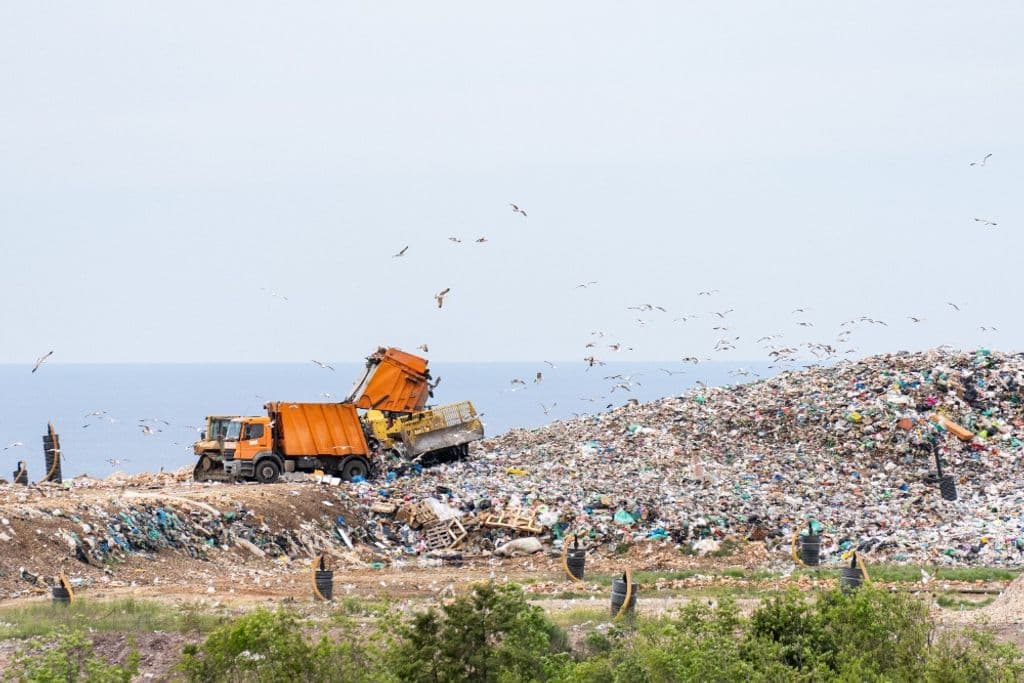
In Indonesia, waste has become a major challenge for businesses. Manufacturing, retail, food and beverage, and construction industries all generate waste every day.
If not handled properly, waste can cause pollution, social conflict, and legal sanctions. On the other hand, when managed strategically, waste can become a new source of value for businesses.
Why Is Waste Management Important for Sustainable Business?
Here are several reasons why waste management is essential for sustainable business.
1. Reducing Operational Costs
Many companies still see waste management as an additional expense. In fact, a proper system can help businesses reduce costs.
By sorting waste and implementing recycling practices, the amount of waste sent to landfills can be minimized. This means transportation and disposal costs can also be reduced.
In addition, companies can evaluate which materials are most frequently wasted in order to improve production efficiency.
For example, if a particular tool frequently breaks and becomes waste, the company can replace it with a more durable product to reduce replacement costs in the future.
2. Improving Reputation and Consumer Trust
Public awareness of environmental issues continues to grow. Modern consumers, especially millennials and Gen Z, are more interested in purchasing products from companies that care about sustainability.
Companies with strong waste management systems can more easily build a positive public image.
Practices such as reducing plastic use, recycling waste, or using eco-friendly packaging can increase customer loyalty.
In the era of social media, a company’s reputation can quickly be affected by environmental issues. A single pollution incident can spread rapidly and damage a brand’s image in a short time.
Therefore, waste management also serves as a form of corporate reputation protection.
3. Maintaining Good Relationships with Local Communities
Waste issues are often the source of conflict between companies and surrounding communities. Poorly managed waste can cause unpleasant odors, water pollution, and health problems.
On the other hand, companies that implement responsible waste management tend to have more harmonious relationships with local communities. This is important for maintaining long-term operational stability.
In Indonesia, several industries have even experienced temporary shutdowns due to public protests related to environmental pollution.
The losses caused by operational disruptions are certainly much greater than investing in a proper waste management system.
4. Complying with Regulations and Avoiding Sanctions
The Indonesian government continues to tighten environmental regulations and oversight of businesses. Violations in waste management can result in:
- Large administrative fines
- Revocation of business licenses
- Suspension of operations
- Criminal sanctions for responsible parties
Therefore, having a waste management system that complies with regulations is essential for maintaining business continuity.
Companies that comply with environmental regulations also tend to have smoother licensing processes, audits, and inspections, allowing operations to run without legal disruptions.
5. Increasing Productivity and Employee Morale
A clean and organized workplace has a positive impact on employees. Work areas filled with waste can reduce comfort and increase the risk of workplace accidents.
In contrast, a good waste management system creates a safer, healthier, and more comfortable working environment. Employees also tend to feel more proud to work for environmentally responsible companies.
Waste Management Creates New Business Opportunities
The concept of the circular economy encourages companies to see waste as a resource that still holds economic value.
1. By-Products from Waste
Many companies are now developing new products from their production waste. For example:
- Palm waste processed into biomass
- Food waste turned into animal feed or compost
- Wood dust converted into briquettes and particle boards
These by-products can become additional revenue sources while reducing waste volume.
2. Refuse Derived Fuel (RDF)
Plastic, paper, and textile waste that is difficult to recycle can be processed into Refuse Derived Fuel (RDF), an alternative fuel source.
Several cement industries in Indonesia have already adopted RDF to replace part of their coal usage. In addition to reducing waste, this approach also helps lower energy costs and carbon emissions.
3. Carbon Credit Opportunities
Companies that successfully reduce emissions through waste management may gain economic benefits from the carbon market.
Although Indonesia’s carbon market is still developing, opportunities from international carbon credit trading are becoming increasingly open for companies actively implementing sustainability programs.
Sustainability as a Competitive Advantage
Today, sustainability is no longer just a trend, but an important factor in global business competition. Companies with effective waste management systems enjoy several advantages, including:
- Easier access to export markets
- Greater investor trust
- Higher chances of winning tenders
- Faster innovation in eco-friendly products
Many multinational companies now require their suppliers to meet specific environmental standards. Therefore, waste management has become an essential part of improving Indonesia’s business competitiveness in the global market.
It’s Time to Take Your Business Further with TBS
Amid environmental challenges and the demands of modern business, waste management is no longer just an obligation, but a strategic investment for the future of the company.
As one of the regional leaders in integrated waste management services, TBS Energi Utama continues to strengthen its position through the expansion of its waste management business in Indonesia and Singapore.
Through the TBS2030 roadmap, TBS delivers sustainable solutions through various strategic initiatives, including:
- Acquisition of Asia Medical Enviro Services (AMES) for medical waste management
- Acquisition of ARAH, a company specializing in hazardous, domestic, and electronic waste management
- Establishment of PT Solusi Bersih TBS (SBT) as the waste management subholding
- Full acquisition of Sembcorp Environment (SembEnviro) in March 2025
- Rebranding to CORA Environment in September 2025 to strengthen its regional identity
By 2025, TBS achievements include 5 waste processing facilities across Indonesia and Singapore, more than 1,000,000 tons of waste processed, and services for more than 475,000 customers.
Together with TBS Energi Utama, companies can build waste management systems that not only comply with regulations but also create economic value and positive environmental impact for the future.