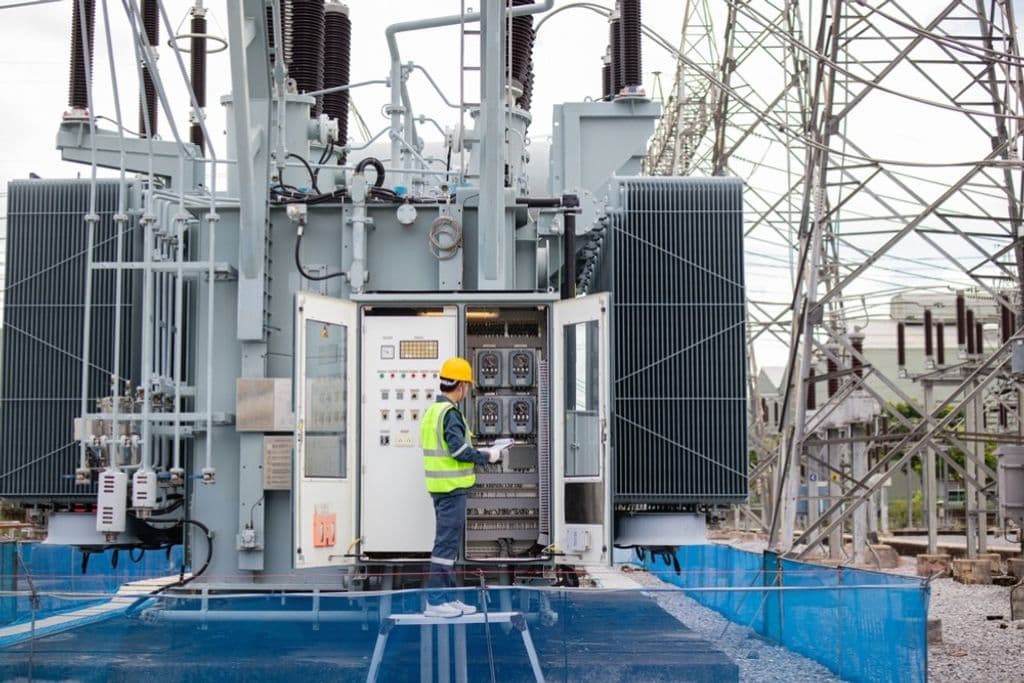
Energy transformation is the process of converting energy from one form to another, occurring continuously in everyday life both naturally and through human-made technologies.
This concept is essential because it underpins many human activities, from breathing and movement to generating electricity for modern needs.
Energy is a fundamental necessity for all living beings. Without energy, there would be no biological activity or technological development.
According to the law of conservation of energy proposed by James Prescott Joule, energy cannot be created or destroyed it can only be transformed.
Definition and Forms of Energy Transformation
Energy transformation is the process of changing energy from one form to another without reducing the total amount of energy. In addition to changing form, energy can also move from one place to another.
Energy exists in several forms, including:
- Kinetic energy: energy of motion
- Potential energy: stored energy due to position
- Thermal energy: energy related to temperature
- Chemical energy: energy stored in chemical bonds
- Electrical energy: energy from the flow of electric charges
- Light (radiant) energy: energy from electromagnetic waves
In daily life, these forms of energy constantly interact and transform through various processes.
Basic Principles of Energy Transformation
There are two key laws governing energy transformation:
- First law of thermodynamics: energy cannot be created or destroyed
- Second law of thermodynamics: every energy transformation results in some energy loss, usually in the form of heat
This means that although energy is conserved, not all of it can be used efficiently.
Examples of Energy Transformation in Daily Life
Energy transformation occurs both naturally and through human-made technologies.
1. Natural Energy Transformation
One of the most important examples occurs in the sun. Nuclear energy in the sun is converted into light and heat, which reach the Earth.
Plants then use this light energy through photosynthesis and convert it into chemical energy in the form of glucose.
When humans or animals consume plants, that chemical energy is transformed into mechanical energy for movement and activity.
This chain shows that energy transformation continuously occurs within ecosystems.
2. Artificial Energy Transformation
Humans utilize energy transformation to meet daily needs, especially in electricity and industry. Examples include:
- Hydropower plants: convert potential energy of water into kinetic energy and then into electricity
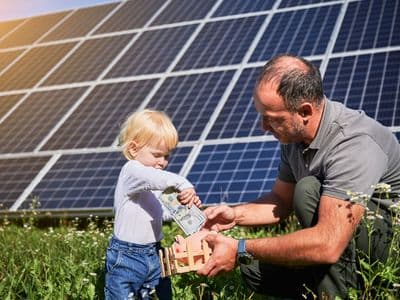
- Solar panels: convert sunlight into electrical energy
- Wind turbines: convert wind energy into mechanical and then electrical energy
- Motor vehicles: convert chemical energy (fuel) into heat and then motion
All these technologies rely on the basic principles of energy transformation.
Energy Transformation in Indonesia
As a developing country, Indonesia’s energy demand continues to grow. Currently, most energy still comes from fossil fuels such as coal, oil, and natural gas.
However, fossil energy presents several challenges:
- Not environmentally friendly
- Limited availability
- Contributes to carbon emissions
Therefore, transitioning toward renewable energy is increasingly important in Indonesia. Sources such as water, solar, and wind energy are being developed because they are more sustainable.
In transportation, electric vehicles are also emerging as a cleaner form of energy transformation.
The Role of TBS Energi Utama in Energy Transformation
In supporting Indonesia’s energy transformation, TBS Energi Utama (TBS) plays a key role in developing clean and renewable energy.
TBS is actively developing renewable energy projects as part of its commitment to a more sustainable future.
These initiatives not only reduce dependence on fossil fuels but also create positive impacts for the environment and society.
1. Mini Hydropower Plant in Lampung
Through its subsidiary, TBS developed a Mini Hydropower Plant in Sumberjaya, Lampung, which has been operational since January 22, 2025 (COD) with a capacity of 2 x 3 MW (total 6 MW).
This plant utilizes water energy to generate stable and environmentally friendly electricity while improving infrastructure and energy access for local communities.
2. Wind Energy Development in East Nusa Tenggara
TBS is also exploring wind energy potential in East Nusa Tenggara, a region known for strong and stable wind conditions.
This highlights Indonesia’s significant potential for renewable energy transformation.
3. Floating Solar Power Plant in Batam
TBS is developing a Floating Solar PV project in Tembesi, Batam, with a capacity of 46 MWp. The project reached financial closing in 2024 and is targeted for full operation in 2026.
Expected benefits include:
- Reducing carbon emissions
- Improving air quality
- Creating green jobs
- Encouraging technology transfer
This initiative demonstrates that Indonesia’s energy transformation is moving toward a cleaner and more sustainable direction.
Energy Transformation and the Future with TBS Energi Utama
Energy transformation is a crucial concept that explains how energy changes form to support human life and technology from natural processes to modern systems like power plants.
In Indonesia, energy transformation is becoming increasingly important due to rising energy demand and environmental challenges. The transition from fossil fuels to renewable energy is a strategic step toward a more sustainable future.
TBS Energi Utama stands as a key contributor in this transition through its tangible achievements. This proves that TBS not only contributes to clean energy supply but also supports local economic development, creates jobs, and protects the environment.
In the future, continued support for energy transformation like the initiatives led by TBS will be essential in building an energy-independent, environmentally friendly, and sustainable Indonesia.