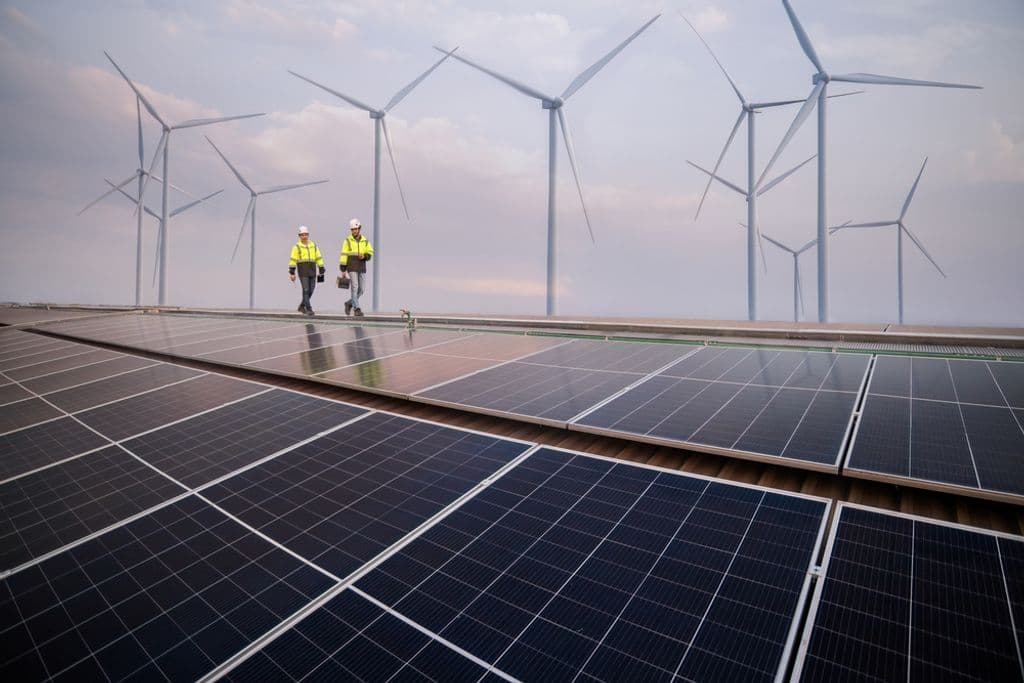
Solar panels are a technology that converts sunlight into clean electricity, helping reduce carbon emissions while lowering industrial energy costs.
This is crucial in addressing climate change, which has become a global challenge, including in Indonesia, where rising temperatures, extreme weather, and environmental risks are increasingly evident.
Since one of the main causes is high carbon emissions from fossil fuel use, transitioning to renewable energy such as solar panels is an essential step toward a more sustainable future.
This article discusses how solar panel systems work, their benefits for the industrial sector, and the role of private companies in driving the energy transition in Indonesia.
What Are Solar Panels and How Do They Work?
Solar panels are devices made up of photovoltaic (PV) cells that capture sunlight and convert it into electrical energy. This technology is increasingly used in both residential and industrial settings.
A typical solar panel system consists of several key components:
- Solar panels: Absorb sunlight and generate direct current (DC) electricity
- Inverter: Converts DC into alternating current (AC) used by electrical equipment
- Mounting system: Supports installation on rooftops or ground structures
- Battery (optional): Stores energy for use at night or during outages
- Charge controller: Regulates electrical flow to keep the system safe and efficient
- Electric meter: Measures energy production and consumption
There are three main types of solar panel systems:
- On-grid: Connected to the public electricity grid; excess energy can be exported
- Off-grid: Not connected to the grid; suitable for remote areas
- Hybrid: Combines both, using batteries while remaining grid-connected
Why Are Solar Panels Important for Industry?
Electricity demand in the industrial sector continues to grow alongside economic and technological development. Solar panels are a solution that is not only environmentally friendly but also cost-effective in the long run.
Solar energy has enormous potential. The energy reaching the Earth at any moment far exceeds global electricity demand. In Indonesia, located along the equator, this represents a major opportunity to harness solar power efficiently.
Benefits of Solar Panels for the Industrial Sector
Here are the key benefits industries can gain from using solar panels:
1. Reduced Energy CostsElectricity expenses can account for 15–16% of operational costs. Solar panels help reduce reliance on conventional electricity and lower long-term expenses.
2. Clean and Environmentally Friendly EnergySolar panels are a renewable energy source that produces no carbon emissions during operation, supporting climate change mitigation efforts.
3. Improved Energy EfficiencyEnergy can be generated directly at the point of use, making operations more efficient especially for factories or warehouses with high energy demand.
4. Government SupportThe Indonesian government is promoting renewable energy through policies and incentives, making solar adoption more attractive for industries.
5. Reduced CO₂ EmissionsSolar panels significantly cut carbon emissions, helping companies meet sustainability targets.
6. Low Maintenance CostsWith few moving parts, solar systems require minimal maintenance. Panels typically last 20–25 years, while inverters may need replacement after 5–10 years.
7. Easy ROI MonitoringModern systems allow real-time performance tracking via apps, helping companies measure efficiency and returns.
8. Stable Energy SupplySolar systems, especially hybrid ones, help ensure stable electricity supply for uninterrupted industrial operations.
9. Energy IndependenceCompanies can generate their own electricity, reducing dependence on the grid and improving energy security.
10. Enhanced Corporate ImageUsing renewable energy boosts a company’s reputation as an environmentally responsible business, appealing to modern consumers.
TBS’s Role in Driving Renewable Energy in Indonesia
Amid growing demand for clean energy, TBS plays an active role in advancing Indonesia’s energy transition. Through various renewable energy projects, TBS is committed to delivering real environmental and social impact.
One of its strategic steps includes expanding its clean energy portfolio through hydropower, wind, and solar projects. These efforts not only reduce carbon emissions but also strengthen national energy resilience.
Conclusion: Solar Panels Are a Future Investment
Solar panels are an energy solution that offers both environmental and economic benefits for industry.
With advantages such as cost efficiency, emission reduction, and energy independence, this technology is a strong choice for the future.
TBS demonstrates its commitment through several renewable energy projects in Indonesia, including:
- Mini Hydro Power Plant in Sumberjaya, Lampung (6 MW) – operational since January 22, 2025
- Wind Energy Exploration in East Nusa Tenggara (NTT)
- Floating Solar PV in Tembesi, Batam – expected full operation in 2026
- 46 MWp Solar PV Development in Batam
Through these initiatives, TBS is not only an energy industry player but also a driver of change toward a greener future.
If you want to reduce carbon emissions while improving business efficiency, now is the time to consider adopting solar panels with TBS as your sustainable energy partner.