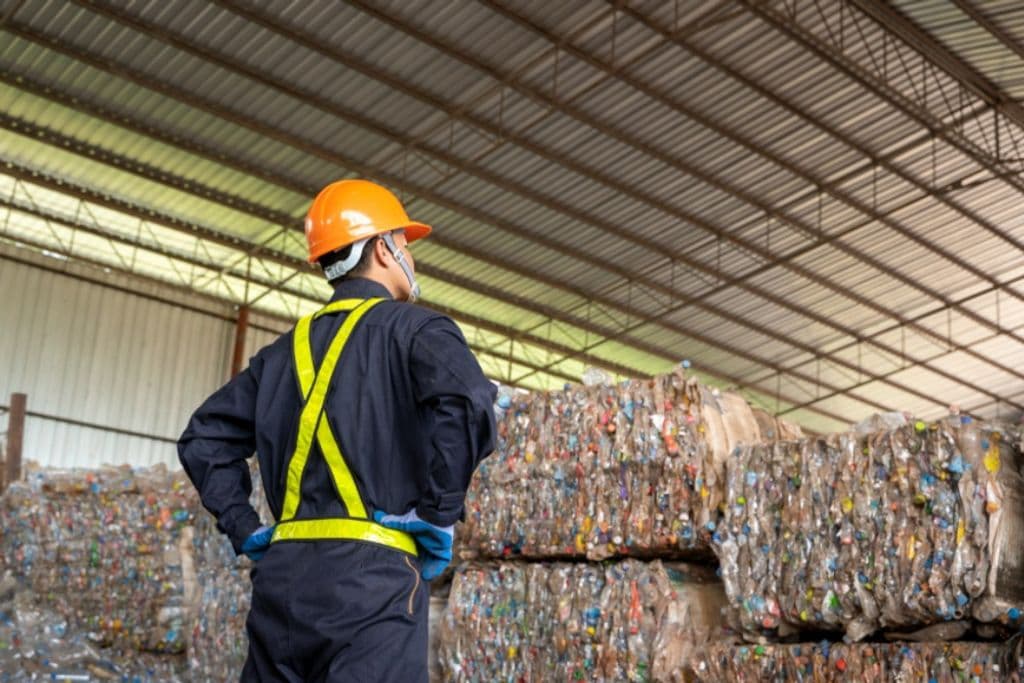
Waste management is a system of managing waste that includes collection, processing, recycling, and safe, environmentally friendly disposal. Its implementation is essential to reduce pollution, improve public health, and create economic opportunities from waste processing in Indonesia.
Waste Management Methods and Their Role in Solving Waste Problems
In practice, waste management consists of various methods used to manage waste effectively. Each method has its own function, advantages, and challenges, especially in the context of Indonesia, which still faces significant waste-related issues.
1. Recycling
Recycling is a key component of the circular economy concept. This method transforms waste such as plastic, paper, and metal into new products with added value.
Through recycling, the amount of waste ending up in landfills can be significantly reduced. In Indonesia, recycling practices are growing through initiatives such as waste banks and creative industries. However, recycling rates remain relatively low due to limited public awareness and uneven waste sorting systems.
According to CleanHub, globally only around 9% of plastic is successfully recycled, highlighting the need to improve recycling efforts.
2. Incineration
Incineration is the process of burning waste at high temperatures to destroy hazardous materials and reduce waste volume. This method helps decrease the burden on landfills.
However, incineration must be carried out using proper technology. Otherwise, the process can produce harmful emissions that negatively impact the environment and human health.
3. Waste-to-Energy (WTE)
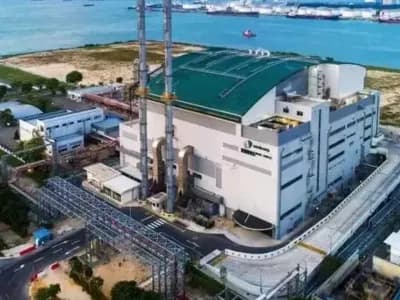
Waste-to-energy converts waste into electricity or heat. This method serves as an alternative to landfills by reducing waste volume while generating energy.
Several European countries have adopted this technology to meet environmental (ESG) standards. In Indonesia, WTE is increasingly being considered as a solution for major cities with high waste volumes, such as Jakarta and Surabaya.
4. Landfill
Landfills remain the most commonly used waste management method in Indonesia. Waste is collected and disposed of in designated areas.
However, this method has several negative impacts, including soil and groundwater contamination, as well as greenhouse gas emissions. Additionally, landfills do not support the circular economy concept, as waste is not reused. In coastal areas, landfill waste can also pollute the ocean.
5. Anaerobic Digestion
This method uses bacteria to break down organic waste in the absence of oxygen. The process produces biogas that can be used as an energy source, as well as residue that can be utilized as fertilizer.
Anaerobic digestion is highly suitable for Indonesia, particularly for household, agricultural, and livestock waste. It represents a practical example of how waste management can generate economic value while protecting the environment.
The Zero Waste Principle in Waste Management
To support effective waste management, the zero waste concept is highly relevant. This principle is commonly known as the 5Rs:
- Refuse: Avoid using products that are likely to become waste, such as single-use plastics and excessive packaging.
- Reduce: Minimize consumption of unnecessary goods to decrease waste generation.
- Reuse: Use items repeatedly if they are still functional, such as reusable bags, water bottles, and food containers.
- Recycle: Process waste into new products with economic value, such as turning plastic bottles into crafts or recycled materials.
- Rot: Compost organic waste. One popular method is the Takakura method, which is easy to implement at home and does not require large space.
By applying the 5R principles, individuals can not only reduce waste but also save costs and create new economic value.
The Importance of Waste Management for the Environment and Society
Waste management plays a crucial role in modern life. According to statistics published by the Statista Research Department, the world generates more than two billion tons of waste annually, and this number is expected to increase by up to 70% by 2050.
Without proper management, waste can lead to serious issues, from environmental pollution to public health problems. Here are some key reasons why waste management is important:
- Reducing plastic pollution on land and in oceans, which is especially important for Indonesia as an archipelagic country
- Decreasing waste accumulation in landfills, a major challenge in urban areas
- Improving quality of life by creating cleaner, healthier, and safer environments
- Supporting the circular economy, where waste is treated as a resource rather than discarded
In addition, effective waste management improves safety for workers in the sector and creates new job opportunities in recycling and waste processing industries.
The Role of Government and Society
The success of waste management depends not only on technology but also on the active participation of both government and society.
The government plays a key role in establishing policies, providing waste management infrastructure, and ensuring proper system implementation. Meanwhile, individuals can contribute through simple actions such as sorting waste, reducing plastic use, recycling, and composting organic waste.
Collaboration between government and society is essential to build an effective and sustainable waste management system in Indonesia.
As a company committed to sustainability, TBS Energi Utama continues to support the development of waste management in Indonesia.
With values centered on responsibility, innovation, and integrity, the company plays a role in supporting a cleaner energy transition.
In March 2025, TBS expanded its reach by acquiring Sembcorp Environment (SembEnviro), a Singapore-based company with expertise in waste management and environmental solutions. This move is expected to enhance technological capabilities and expand the company’s market reach.
Conclusion
Waste management is a critical solution to address the growing waste problem. By implementing the right methods, adopting the 5R principles, and ensuring collaboration between government and society, Indonesia has a strong opportunity to create a cleaner and more sustainable environment.
Start with small steps in daily life and make waste management part of your lifestyle. Together with TBS Energi Utama, we can build a healthier, cleaner, and more sustainable future for Indonesia.