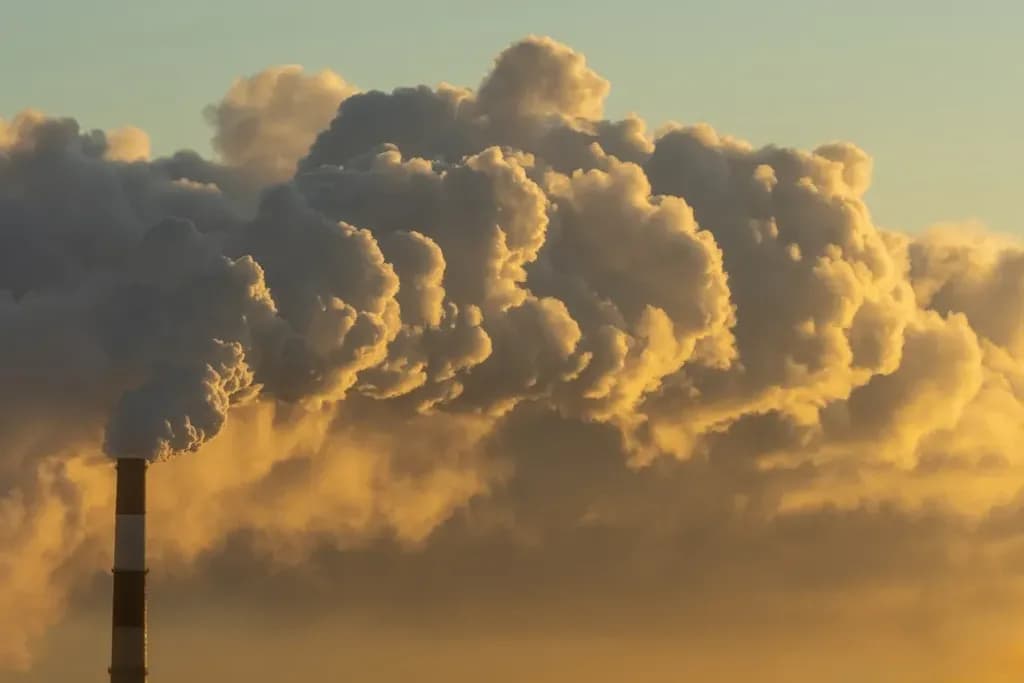
Carbon emissions are one of the main drivers of climate change, with wide-ranging impacts on the environment, economy, and human health.
It is undeniable that climate change has become an increasingly urgent global issue. Rising global temperatures, extreme weather events, and threats to food security all highlight that carbon emissions can no longer be ignored.
Indonesia is among the countries affected by these challenges. Therefore, this article will discuss the definition of carbon emissions, types of greenhouse gases, their causes and impacts globally and in Indonesia, as well as effective solutions to reduce them.
What Are Carbon Emissions and Greenhouse Gases?
Carbon emissions refer to gases released into the atmosphere as a result of human activities, typically measured in tCO2e (tons of carbon dioxide equivalent).These emissions are not limited to carbon dioxide (CO₂), but also include other gases known as greenhouse gases (GHG).
Some key greenhouse gases contributing to global warming include:
- Carbon dioxide (CO₂): Produced from burning fossil fuels such as coal and oil.
- Methane (CH₄): Has a higher heat-trapping ability than CO₂ and mainly comes from livestock and waste.
- Ozone (O₃): Protects against solar radiation, but can be harmful when disrupted.
- Nitrous oxide (N₂O): Emitted from chemical fertilizers and industrial activities, also affecting the ozone layer.
Although present in small amounts, these gases have a significant impact by trapping heat in the atmosphere and increasing global temperatures.
Causes of Carbon Emissions in Indonesia and Globally
- Energy GenerationMost electricity is generated from fossil fuel combustion. In Indonesia, coal-fired power plants dominate, making them a major source of carbon emissions.
- Industry and ManufacturingSectors such as cement, steel, textiles, and plastics produce large amounts of emissions, especially when relying on fossil fuel-powered machinery.
- DeforestationIndonesia has high deforestation rates due to palm oil plantations and infrastructure development, releasing stored carbon from trees.
- TransportationGasoline and diesel-powered vehicles contribute significantly to emissions. In major cities like Jakarta, transportation is a leading source of air pollution.
- Food ProductionAgriculture and livestock produce methane and N₂O, particularly from animal waste and chemical fertilizers.
- Household Energy ConsumptionExcessive electricity use, air conditioning, and electronic devices also contribute to emissions, especially when powered by fossil fuels.
Impacts of Carbon Emissions on Environment and Life
- Rising Global Temperatures and HeatwavesIncreasing emissions raise global temperatures. Indonesia is experiencing hotter conditions, increasing risks of dehydration, heatstroke, and respiratory issues.
- More Frequent Extreme WeatherUnpredictable weather patterns lead to heavy rainfall, floods, landslides, and longer droughts.
- Water Scarcity and DroughtClimate change affects water availability, making clean water harder to access in some regions.
- Rising Sea LevelsAs an archipelagic country, Indonesia is highly vulnerable. Coastal areas like North Jakarta and Semarang frequently experience tidal flooding.
- Ecosystem Damage and Species ExtinctionRising temperatures disrupt habitats. Coral reefs in Indonesia, for example, are suffering from bleaching.
- Declining Food ProductionUnstable weather increases the risk of crop failure, affecting food prices and national food security.
- Human Health Impacts
Air pollution raises risks of asthma, lung disease, and heart problems. Climate change also contributes to the spread of diseases like dengue fever and malaria.
- Increased Poverty and MigrationClimate-related disasters disrupt livelihoods, forcing communities especially in agriculture and fisheries to relocate.
Solutions to Reduce Carbon Emissions
Reducing carbon emissions requires collaboration between individuals, governments, and industries. Key actions include:
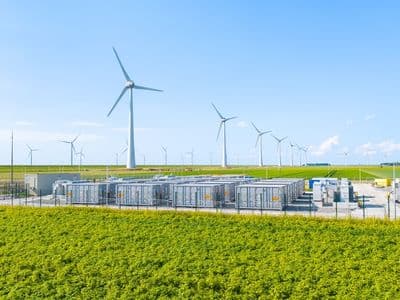
- Adopting Renewable EnergySolar, wind, hydro, and geothermal energy reduce dependence on fossil fuels.
- Improving Energy EfficiencySaving electricity at home and in offices helps lower emissions.
- Sustainable AgricultureReducing chemical fertilizers and switching to organic methods can cut N₂O emissions.
- Waste ManagementLivestock and organic waste can be processed into biogas as an alternative energy source.
- Eco-Friendly TransportationUsing electric vehicles or public transportation significantly reduces emissions.
The Role of TBS in Reducing Carbon Emissions
Efforts to reduce carbon emissions are not only the responsibility of individuals but also require strong participation from the industrial sector. One example is TBS Energi Utama, which is developing sustainable solutions across Southeast Asia.
Through its business unit, PT Solusi Bersih TBS (SBT), the company manages various types of waste medical, hazardous, industrial, and domestic in an integrated system across Indonesia and Singapore.
In 2023, TBS strengthened its foundation by acquiring:
- Asia Medical Enviro Services (AMES), a leading medical waste management company in Singapore with a capacity of over 5,000 tons per year.
- ARAH Environmental Group, which operates across 15 provinces with extensive collection networks.
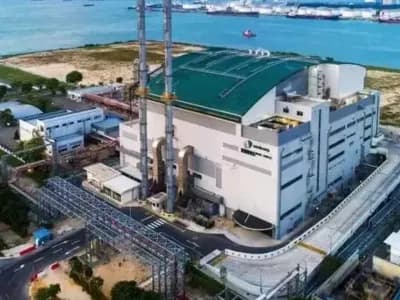
In March 2025, TBS further expanded by fully acquiring Sembcorp Environment, later rebranded as CORA Environment in September 2025. This company is a leading waste-to-energy operator in Singapore, processing over 1.1 million tons of waste annually and generating 385 GWh of energy.
Overall, TBS achievements include:
- Operating 5 waste processing facilities in Indonesia and Singapore
- Processing over 1 million tons of waste in 2025
- Serving more than 475,000 customers
Through these initiatives, TBS not only reduces carbon emissions but also converts waste into valuable energy resources. This aligns with the TBS2030 roadmap to build a cleaner and more sustainable future.
With technological innovation and cross-border collaboration, TBS Energi Utama demonstrates that proper waste management can be a powerful solution for reducing carbon emissions and protecting the planet for future generations.