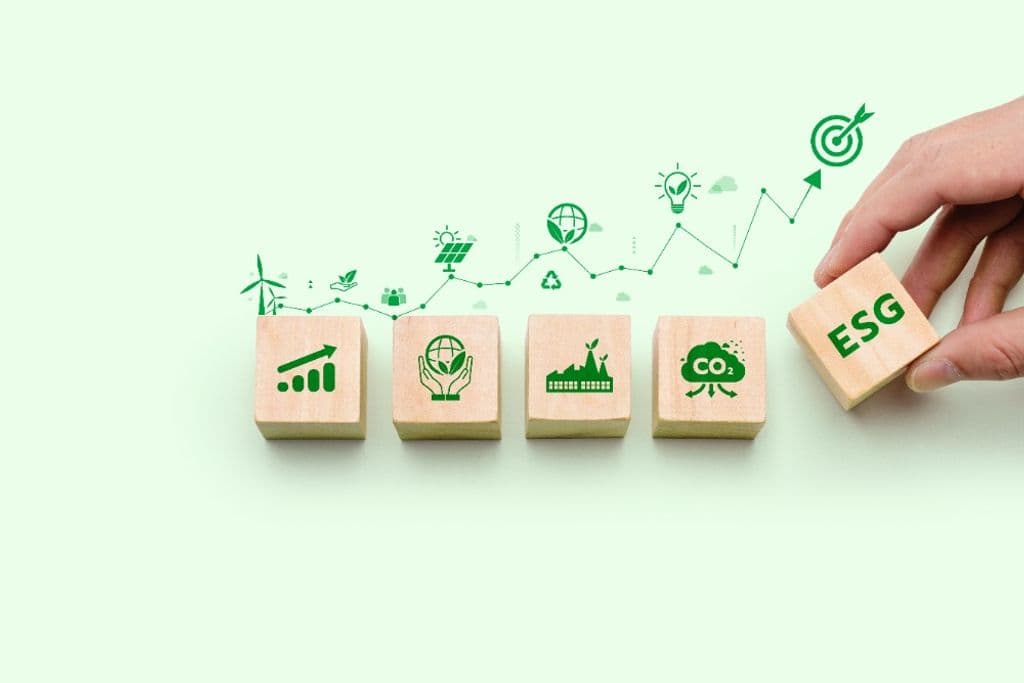
What is ESG is a question that is increasingly being asked as attention to sustainability issues in the business world continues to grow.
ESG is a concept that helps companies operate responsibly by considering their impact on the environment and society, while also implementing good corporate governance.
In Indonesia, ESG adoption is continuing to grow, supported by government regulations, increasing investor awareness, and companies' commitment to achieving sustainable business growth.
For companies, ESG is more than just a trend that reflects the changing times. Implementing these principles has become an important part of long-term business strategies because it can increase investor confidence, strengthen corporate reputation, reduce operational risks, and create greater growth opportunities.
It is therefore no surprise that an increasing number of companies in Indonesia are beginning to incorporate ESG into their business strategies.
What Is ESG?
ESG stands for Environmental, Social, and Governance. ESG is a set of standards used to assess how a company manages its impact on the environment and society, as well as how it implements good corporate governance.
This assessment does not only consider a company's financial performance but also how it creates long-term value for all stakeholders. Today, many investors consider ESG as one of the factors before making investment decisions.
Companies with strong ESG practices are generally considered better prepared to address regulatory changes, environmental risks, and shifting market demands.
Therefore, ESG has become one of the important indicators for assessing a company's sustainability.
Read Also: The Role of Renewable Energy in Driving Indonesia's Economic Growth
Key Components of ESG
In general, ESG consists of the following three main components.
1. Environmental
The Environmental aspect focuses on how companies reduce their negative impact on the environment. In practice, companies are encouraged to use resources more efficiently while minimizing environmental pollution.
Examples of implementation include:
- Reducing the use of fossil fuels and transitioning to renewable energy.
- Reducing carbon emissions from operational activities.
- Developing more environmentally friendly products.
- Reducing the use of single-use plastics.
- Managing waste through recycling and waste reduction initiatives toward zero waste.
- Using more sustainable packaging.
These efforts not only help protect the environment but can also improve a company's operational efficiency in the long term.
2. Social
The Social aspect relates to a company's relationships with all parties involved in its business activities, including employees, customers, suppliers, and surrounding communities.
Companies that effectively implement the Social aspect are generally committed to:
- Ensuring product safety and protecting customer data.
- Respecting workers' rights.
- Providing a safe and healthy working environment.
- Promoting diversity and equal employment opportunities.
- Supporting education, healthcare, and community empowerment.
Through the Social aspect, companies not only build a positive reputation but also establish stronger relationships with all stakeholders.
3. Governance
The Governance aspect concerns how a company operates with transparency, accountability, and ethical standards. Good governance practices include:
- Transparent corporate reporting.
- Effective risk management.
- Preventing corruption and bribery.
- Complying with regulations.
- Management accountability.
- Transparency in decision-making.
Governance serves as a critical foundation because it ensures that environmental and social policies can be implemented consistently and responsibly.
Why Is ESG Important for Companies?
As attention to climate change and sustainability issues continues to grow, ESG has become one of the factors that determine a company's competitiveness.
Many investors and consumers are now more likely to choose companies that demonstrate a commitment to sustainable business practices. Some of the benefits of ESG implementation include:
1. Enhancing Competitiveness
Companies with strong ESG practices tend to earn greater trust from customers, investors, and business partners. This can provide a competitive advantage over other companies.
2. Reducing Business Risks
ESG helps companies identify various potential risks, ranging from changes in environmental regulations and supply chain disruptions to reputational risks. This allows companies to take preventive measures at an earlier stage.
3. Attracting Investors
Many investors now consider ESG factors before making investment decisions. Companies with strong ESG practices are considered to have more stable long-term growth prospects.
4. Increasing Customer Loyalty
People are increasingly concerned about products and services that are produced responsibly. Companies with strong ESG practices have the potential to gain greater customer loyalty.
5. Supporting Innovation
ESG implementation also encourages companies to develop more efficient and environmentally friendly products, technologies, and business processes, creating opportunities for new innovations.
How Is ESG Developing in Indonesia?
In recent years, ESG development in Indonesia has shown a positive trend. The government, businesses, and investors are increasingly recognizing the importance of economic development that also takes environmental and social aspects into account.
1. Supported by Government Regulations
The Indonesian government has issued various regulations to encourage ESG implementation.
One of the key regulations is OJK Regulation No. 51/POJK.03/2017 concerning the Implementation of Sustainable Finance for Financial Services Institutions, Issuers, and Public Companies.
This regulation encourages companies to integrate sustainability principles into their business strategies and submit sustainability reports on a regular basis.
In addition, ESG implementation is also supported by Law No. 32 of 2009 on Environmental Protection and Management, Government Regulation No. 46 of 2017 on the Management of Hazardous and Toxic Waste (B3), and Law No. 13 of 2003 on Manpower.
2. Increasing Investor Awareness
In addition to regulations, growing investor awareness is also a key driver of ESG development in Indonesia.
Today, many investors consider not only financial returns but also how companies manage their environmental impact, address employee welfare, and implement transparent governance.
3. Corporate Implementation
An increasing number of companies in Indonesia are beginning to integrate ESG into their business strategies.
Implementation can take various forms, including reducing carbon emissions, using renewable energy, improving employee welfare, engaging with local communities, and regularly preparing ESG reports.
Nevertheless, challenges remain. Some companies still face limitations in resources, reporting capabilities, and meeting ESG standards that continue to evolve.
However, with regulatory support and increasing awareness among stakeholders, ESG adoption in Indonesia is expected to continue growing in the future.
Read Also: From Conventional Energy to Clean Energy: The New Direction of Indonesia's Energy Industry
Understanding ESG Through TBS's Commitment to Clean Energy
Understanding what ESG is goes beyond simply knowing its definition. It is also important to see how these principles are put into practice by companies.
One company demonstrating its commitment to ESG is TBS Energi Utama, which continues to expand its investments in the renewable energy sector as part of its efforts to support Indonesia's energy transition.
One of TBS's key achievements is the development of the Sumberjaya Mini-Hydropower Plant (PLTM) in Lampung.
In 2020, through its subsidiary PT Toba Bara Energi (TBAE), TBS acquired PT Adimitra Energi Hidro (AEH), which developed a 2 x 3 MW mini-hydropower plant, as well as PT Bayu Alam Sejahtera (BAS), which explored wind energy potential in East Nusa Tenggara.
The AEH Mini-Hydropower Plant officially achieved Commercial Operation Date (COD) on January 22, 2025, and now supplies 6 MW of clean electricity to the Southern Sumatra region.
The project not only generates clean energy but also supports infrastructure development, improves community access to electricity, and contributes to environmental conservation.
In addition, TBS is developing the Tembesi Floating Solar PV project in Batam. This floating solar power plant project completed its financial closing in 2024 and is targeted to begin commercial operations in 2026.
The project is expected to reduce carbon emissions, improve air quality, create green jobs, promote technology transfer, and strengthen collaboration with surrounding communities.
TBS is also currently developing a 46 MWp Floating Solar PV project in Batam, while the 6 MW Mini-Hydropower Plant in Lampung is already operational and contributing to the supply of clean energy.
These projects demonstrate that TBS Energi Utama's commitment to ESG can be realized through concrete actions that not only benefit the company but also support sustainable development, improve community welfare, and accelerate the transition toward cleaner energy in Indonesia.