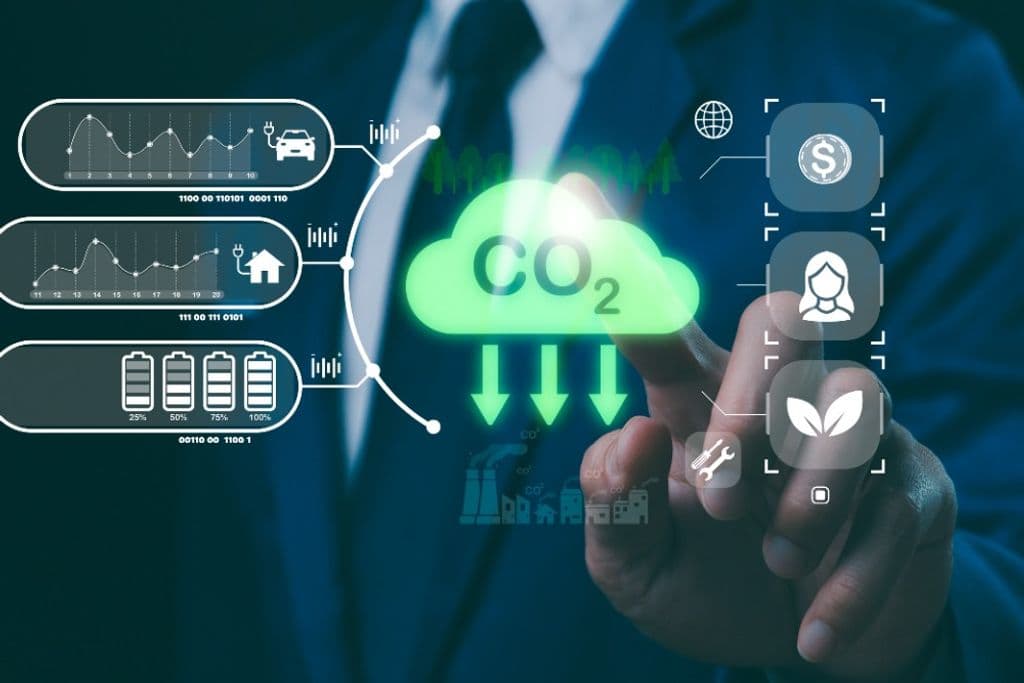
Decarbonization is a strategic effort to reduce carbon emissions by transitioning from fossil fuels to cleaner and more sustainable energy sources.
This strategy is not only crucial for addressing climate change but also creates economic opportunities, improves business efficiency, and strengthens Indonesia’s future energy security.
As global demand for sustainable business practices continues to grow, decarbonization has become an essential component of both corporate strategies and government policies.
Various sectors, including energy, transportation, and manufacturing, are being encouraged to reduce greenhouse gas emissions in support of net-zero emission targets and greener economic growth.
Read More: Renewable Energy Opportunities and Challenges in Indonesia: Potential, Barriers, and Solutions
Decarbonization as the Foundation of the Clean Energy Transition
Simply put, decarbonization is the process of reducing the carbon intensity of economic activities, energy production, and business operations.
Its primary focus is to lower greenhouse gas emissions generated by the combustion of fossil fuels such as coal, oil, and natural gas.
In practice, decarbonization is achieved through various approaches, including improving energy efficiency, expanding the use of renewable energy, promoting electrification, and developing low-carbon technologies.
The ultimate goal is to achieve net zero emissions, where the amount of emissions produced is balanced by the amount absorbed or removed from the atmosphere.
In Indonesia, decarbonization efforts are becoming increasingly important given that the energy sector remains heavily dependent on fossil fuels.
At the same time, Indonesia possesses significant renewable energy potential, including solar, hydropower, geothermal, and wind energy, which can accelerate the country’s energy transition.
Why Is Decarbonization a Priority?
The increasingly visible impacts of climate change have made decarbonization a necessity rather than an option.
Rising global temperatures, extreme weather events, floods, and droughts have created significant economic and social consequences around the world, including in Indonesia.
Beyond environmental benefits, decarbonization also offers tangible economic advantages for businesses and society, including:
- Reducing operating costs through energy efficiency.
- Minimizing costs caused by resource waste.
- Improving business competitiveness in global markets.
- Strengthening investor and stakeholder confidence.
- Enhancing corporate reputation.
- Creating new employment opportunities in the clean energy sector.
- Reducing dependence on fossil fuels.
Companies that fail to adapt may face various challenges, including carbon taxes, stricter environmental regulations, and reduced access to international markets that increasingly prioritize low-carbon products.
Decarbonization Strategies: From Fossil Fuels to Clean Energy
Achieving emission reduction targets requires measurable and sustainable strategies. The following are some of the key approaches adopted by governments and businesses.
1. Improving Energy Efficiency
Energy efficiency is one of the fastest and most cost-effective ways to reduce carbon emissions.
This can be achieved through energy-efficient equipment, optimized cooling and lighting systems, and the digitalization of operational processes.
For industrial sectors, energy efficiency also helps lower production costs while increasing productivity.
2. Accelerating Renewable Energy Adoption
The transition from fossil fuels to renewable energy lies at the heart of decarbonization.
Energy sources such as solar, hydropower, and wind generate significantly lower emissions than coal- or diesel-based power plants.
Indonesia also has enormous renewable energy potential.
Therefore, the development of solar power plants, hydropower facilities, and wind farms is essential to supporting the country’s energy transition goals.
3. Promoting Electrification
Electrification refers to replacing fossil fuel-based systems with electricity powered by clean energy sources.
Examples include electric vehicles, electric industrial equipment, and electric heating systems.
The cleaner the electricity source, the greater the emissions reductions achieved through electrification.
4. Developing Innovation and Low-Carbon Technologies
Innovation plays a crucial role in accelerating decarbonization.
Technologies such as green hydrogen, energy storage systems, industrial waste heat recovery, and digital emissions monitoring solutions continue to evolve, helping improve efficiency and reduce carbon footprints.
In addition, circular economy practices, including recycled material usage and waste reduction, contribute to lowering emissions throughout supply chains.
5. Setting Targets and Measuring Emissions
Companies need to understand their current emissions profile before implementing effective reduction strategies.
This process typically begins with emissions data collection, carbon footprint measurement, science-based target setting, implementation of reduction initiatives, and transparent reporting.
Clear targets enable organizations to track progress and ensure that decarbonization strategies remain on course.
Challenges in Implementing Decarbonization
Despite its significant benefits, decarbonization implementation still faces several challenges.
These include limited understanding of the business value of sustainability, the absence of clear emissions reduction targets, technological constraints, and relatively high upfront investment requirements.
In addition, coordination across business units and strong government policy support are critical factors for successful implementation.
Therefore, collaboration among governments, private companies, investors, and communities is essential to accelerating the transition toward a low-carbon economy.
Read More: The Role of Renewable Energy in Driving Indonesia’s Economic Growth
TBS Supports Decarbonization Through Renewable Energy Development
Decarbonization is a long-term journey that requires genuine commitment from all stakeholders.
In Indonesia, one example of this commitment can be seen in TBS’s strategic efforts to expand its renewable energy portfolio and support the transition toward clean energy.
In 2020, through its subsidiary PT Toba Bara Energi (TBAE), TBS acquired PT Adimitra Energi Hidro (AEH), a developer of a 2x3 MW Mini Hydropower Plant in Lampung.
The project achieved its Commercial Operation Date (COD) on January 22, 2025, and now supplies 6 MW of clean energy to Southern Sumatra.
TBS has also expanded its renewable energy initiatives through PT Bayu Alam Sejahtera (BAS), which is developing wind energy opportunities in East Nusa Tenggara.
This move reflects the company’s commitment to broadening the use of renewable energy sources across Indonesia.
In addition, TBS is developing the Floating Solar PV Power Plant project in Tembesi, Batam.
This 46 MWp floating solar project reached Financial Closing in 2024 and is targeted to begin commercial operations in 2026, integrated with Indonesia’s national electricity grid.
These projects are expected to reduce carbon emissions, improve air quality, create green jobs, and strengthen national energy security.
Through investments in hydropower, solar, and wind energy, TBS Energy demonstrates how the private sector can play an active role in supporting Indonesia’s decarbonization agenda.
To help build a cleaner and more sustainable future, TBS remains committed to advancing renewable energy development and accelerating Indonesia’s national energy transition.