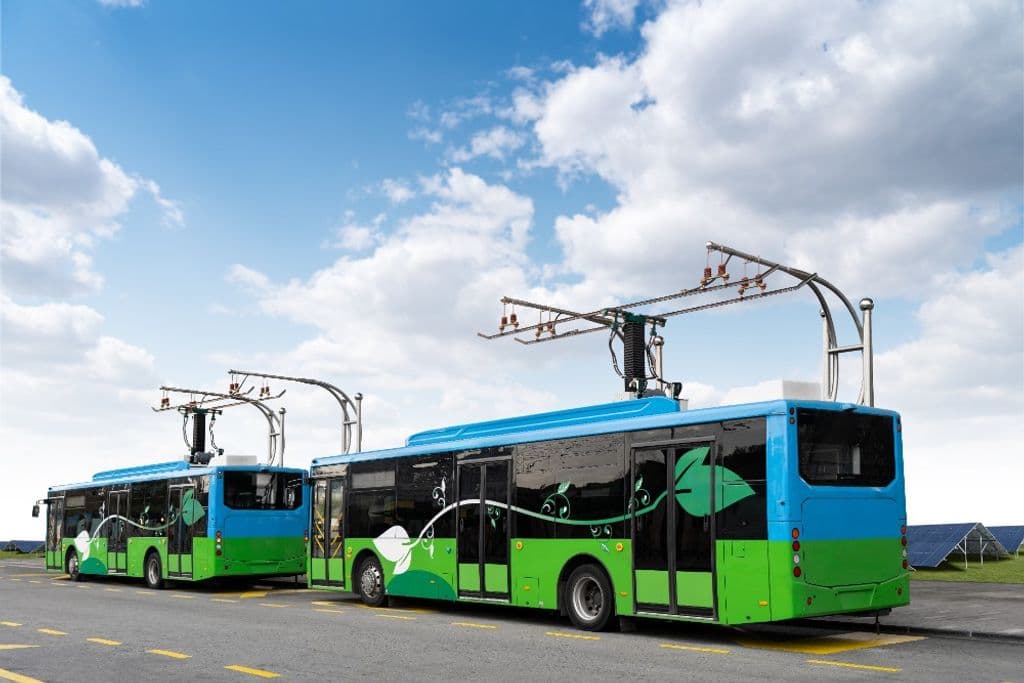
Fleet electrification has become an increasingly strategic initiative for companies seeking to reduce operating costs, improve efficiency, and achieve sustainability goals.
In addition to delivering long-term economic benefits, fleet electrification helps businesses comply with increasingly stringent environmental regulations while strengthening their competitiveness in the era of energy transition.
In Indonesia, the adoption of electric vehicles for business operations continues to grow.
Government support, advancements in battery technology, and the emergence of a more mature electric vehicle ecosystem have made fleet electrification a realistic solution for various sectors, ranging from logistics and transportation to delivery services.
Why Is Fleet Electrification Becoming a Corporate Priority?
Fleet electrification refers to the process of replacing fossil fuel-powered or Internal Combustion Engine (ICE) vehicles with Electric Vehicles (EVs) in a company’s operations.
This transformation extends beyond vehicle adoption to include charging infrastructure development, fleet management systems, and operational strategies that support low-emission mobility.
Many companies now view fleet electrification as a long-term investment that can generate financial returns while supporting Environmental, Social, and Governance (ESG) objectives.
1. Significantly Reducing Operating Costs
One of the primary reasons companies switch to electric vehicles is the potential for operational cost savings. Electricity prices are generally more stable and lower than gasoline or diesel fuel costs.
In addition, electric vehicles have far fewer moving parts than conventional vehicles.
Without the need for engine oil changes, complex transmission maintenance, or other combustion-related components, maintenance expenses are substantially lower.
Over time, the Total Cost of Ownership (TCO) of electric vehicles tends to be lower than that of fossil fuel-powered vehicles.
As battery prices continue to decline and global EV production scales up, these economic advantages are expected to become even more significant for businesses.
2. Supporting Corporate Sustainability Goals
Today, many companies have established carbon reduction targets as part of their business strategies.
Fleet electrification is one of the most effective ways to reduce direct emissions, or Scope 1 emissions, generated from operational vehicle fuel consumption.
Electric vehicles produce no direct tailpipe emissions, helping reduce air pollution, especially in densely populated urban areas such as Jakarta, Surabaya, Bandung, and other major cities.
Moreover, customers and investors increasingly evaluate companies based on their sustainability commitments.
Organizations that demonstrate tangible efforts to reduce carbon emissions are more likely to gain market trust and secure business opportunities.
3. Preparing for Future Regulations
Many countries are tightening regulations related to vehicle emissions.
Although Indonesia remains in the early stages of EV adoption compared to several developed nations, national policies clearly support the development of the electric vehicle ecosystem.
Companies that begin electrifying their fleets today will be better prepared for future regulatory changes.
This proactive approach also helps mitigate business risks that may arise from future restrictions on fossil fuel-powered vehicles in certain areas.
Read More: Understanding Carbon Emissions: Causes, Impacts, and How to Reduce Them
Operational Benefits of Fleet Electrification for Businesses
Beyond financial and environmental advantages, fleet electrification offers substantial operational benefits.
1. Improved Driver Experience
Electric vehicles provide a more comfortable driving experience due to their low noise levels and smooth acceleration.
This can help reduce driver fatigue, particularly for employees who spend long hours on the road each day.
In industries such as logistics and delivery services, driver comfort plays an important role in maintaining productivity and workforce retention.
2. Access to Advanced Technology
Most modern electric vehicles are equipped with telematics systems and digital technologies that allow businesses to monitor fleet performance in real time.
Data such as energy consumption, vehicle location, driving behavior, and charging schedules can be easily accessed.
These insights help companies make more efficient, data-driven operational decisions.
3. Increased Fleet Reliability
With fewer mechanical components, electric vehicles generally face lower risks of mechanical failure than conventional vehicles.
This results in higher vehicle uptime and less time spent in repair workshops.
For companies that rely heavily on daily mobility, improved fleet reliability can directly enhance productivity and service quality.
4. Strengthening Corporate Reputation
Fleet electrification also symbolizes a modern and sustainable business transformation.
Companies that adopt electric vehicles are often perceived as more innovative and environmentally responsible.
This positive image can add value when building relationships with customers, business partners, investors, and government stakeholders.
Strategies for Implementing Fleet Electrification in Indonesia
While the benefits are substantial, successful fleet electrification requires careful planning.
The first step is to analyze vehicle usage patterns, including daily mileage, operational routes, and cargo requirements.
This information helps companies determine the most suitable electric vehicle models for their needs.
Next, businesses should prepare supporting infrastructure such as charging stations or battery-swapping systems.
Training for drivers and fleet managers is also essential to ensure a smooth transition.
Many companies choose a phased approach, starting with a small portion of their fleet before expanding adoption.
This allows them to evaluate EV performance before implementing fleet electrification on a larger scale.
Read More: 7 Advantages of Electric Motorcycles, Their Drawbacks, and Why They Are Worth Choosing in Indonesia
Fleet Electrification and the Future of Sustainable Mobility with TBS
As one of the pioneers in developing Indonesia’s electric vehicle ecosystem, TBS, through Electrum, continues to accelerate the transition toward sustainable mobility.
In 2021, TBS and GoTo Group established PT Energi Kreasi Bersama (Electrum) to build an integrated electric mobility ecosystem.
Its scope includes vehicle assembly, battery technology, battery-swapping infrastructure, charging stations, and financing solutions.
Electrum has played an important role in the development of Indonesia’s EV ecosystem. In 2022, President Joko Widodo inaugurated an electric vehicle ecosystem collaboration involving Electrum, Pertamina, Gogoro, and Gesits.
That same year, Electrum supported the G20 Summit and B20 Forum in Bali by providing 50 electric motorcycles, 11 shelters, and 150 Gojek driver-partners.
Electrum’s growth continued with US$15 million in funding secured in 2024 from the Asian Development Bank (ADB), the Australian Climate Finance Partnership, and Bank DBS Indonesia.
The funding is being used to expand electric vehicle fleets and battery-swapping networks, which are projected to reduce greenhouse gas emissions by up to 123,000 tons annually.
At the Indonesia Motorcycle Show (IMOS) 2024, Electrum launched the H3i electric motorcycle, offering the flexibility of both home charging and battery swapping.
In 2025, Electrum introduced its latest model, the Electrum H1, providing consumers with more electric mobility options.
As of last year, Electrum had deployed more than 6,000 electric motorcycles actively operating every day, supported by over 370 Battery Swapping Stations across Jakarta.
This infrastructure facilitates more than 19,000 battery swaps daily and has helped avoid more than 3,200 tons of CO₂ emissions.
Through these achievements, TBS Energy demonstrates its long-term commitment to building Indonesia’s national electric vehicle ecosystem, supporting fleet electrification and accelerating the country’s energy transition.