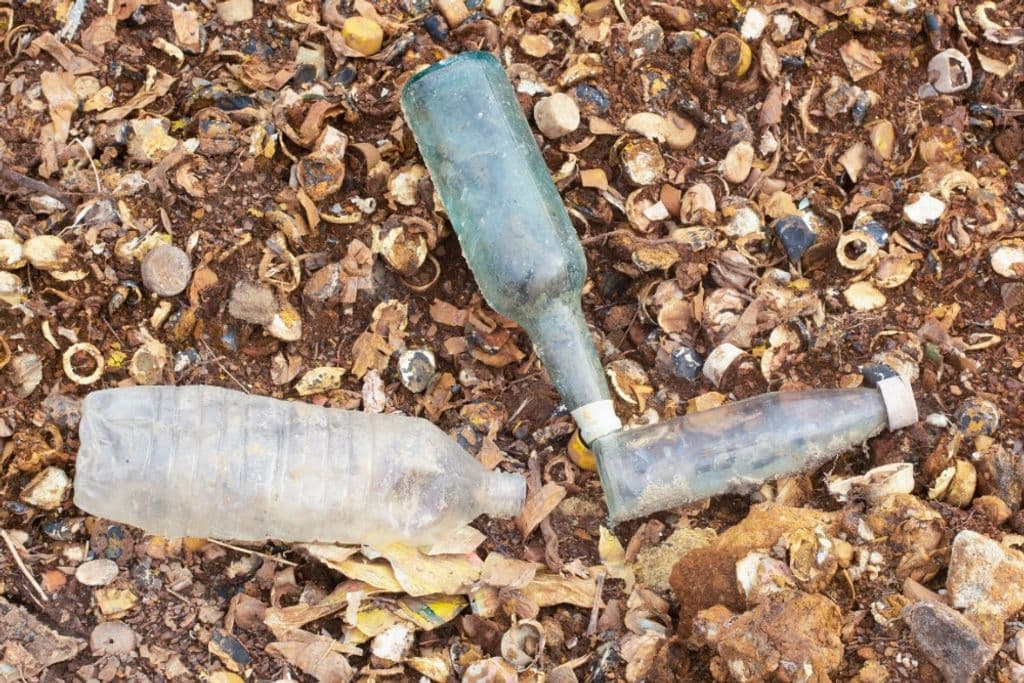
Inorganic waste is a type of waste that does not easily decompose naturally and requires proper management to prevent environmental pollution.
Waste management remains a major challenge in Indonesia. Data from the National Waste Management Information System (SIPSN) shows that millions of tons of waste are still not properly managed each year.
Therefore, understanding what inorganic waste is serves as an important first step in raising public awareness about responsible waste sorting and management.
This article discusses the definition, characteristics, types, examples, impacts, and benefits of inorganic waste management in supporting the circular economy and sustainability in Indonesia.
What Is Inorganic Waste?
Inorganic waste refers to waste materials derived from non-biological sources or industrial processes that cannot be easily broken down by microorganisms.
Unlike organic waste, which naturally decomposes over time, inorganic waste may take decades, centuries, or even millions of years to degrade.
Common examples of inorganic waste include plastic, glass, metal, cans, and electronic waste. Because of its slow decomposition rate, proper management is essential to prevent environmental contamination and health risks.
Characteristics of Inorganic Waste
Inorganic waste has several characteristics that distinguish it from organic waste.
1. Mostly Produced Through Industrial Processes
Many types of inorganic waste are manufactured using synthetic materials through industrial processes. Examples include plastics, Styrofoam, and various single-use packaging materials commonly used in daily life.
2. Difficult to Decompose Naturally
One of the defining characteristics of inorganic waste is its extremely long decomposition period. As a result, the accumulation of inorganic waste can become a serious environmental issue if not properly managed.
3. Can Often Be Recycled
Although difficult to decompose, many types of inorganic waste still retain economic value. They can be recycled into new products, industrial raw materials, or creative crafts with commercial potential.
Read More: Organic Waste: Types, Environmental Impacts, and Solutions
Types of Inorganic Waste
In general, inorganic waste can be divided into two main categories.
1. Hard Inorganic Waste
Hard inorganic waste has a strong structure and is not easily deformed. Examples include:
- Glass
- Metal
- Cans
- Aluminum
- Electronic waste (e-waste)
Due to its characteristics, processing this type of waste often requires specialized technology and facilities.
2. Soft Inorganic Waste
Soft inorganic waste is more flexible in texture compared to hard inorganic waste. Examples include:
- Plastic packaging
- Styrofoam
- Plastic bags
- Paper
- Used cooking oil
- Detergent waste
This category is generally easier to process into recycled products.
Common Examples of Inorganic Waste
Below are some examples of inorganic waste commonly found in homes, schools, offices, and public spaces.
1. Plastic
Plastic is one of the most common forms of inorganic waste. Beverage bottles, food packaging, shopping bags, and many household products are made from plastic.
If not managed properly, plastic waste can pollute rivers and oceans. However, through circular economy practices, plastic can be transformed into valuable products, including plastic roads and alternative fuels.
2. Glass
Glass bottles, broken windows, and used drinking glasses fall into the category of hard inorganic waste. One of glass's advantages is that it can be recycled repeatedly without losing its quality.
3. Paper
Although paper originates from trees, once it becomes an industrial product, it is often categorized as inorganic waste in everyday waste management systems. Used paper can be recycled into new paper products, cardboard, and various crafts.
4. Metal
Used beverage cans, damaged household appliances, and scrap metal are examples of metal waste that still hold significant economic value because they can be recycled into industrial raw materials.
5. Electronic Waste (E-Waste)
Mobile phones, computers, batteries, televisions, and other obsolete electronic devices are classified as e-waste. This type of waste requires special handling because it contains hazardous substances that may pollute the environment.
Negative Impacts of Inorganic Waste
Improper management of inorganic waste can lead to various environmental and social problems.
1. Environmental Pollution
The accumulation of inorganic waste can contaminate land, rivers, and oceans. In Indonesia, plastic waste remains one of the leading contributors to marine pollution, threatening aquatic ecosystems.
2. Harm to Wildlife
Many marine animals become entangled in or accidentally ingest plastic waste. This can cause severe health problems and even death.
3. Increased Health Risks
Certain synthetic materials found in inorganic waste contain hazardous substances that may affect human health. In addition, poorly managed waste accumulation areas can become breeding grounds for disease.
Benefits of Proper Inorganic Waste Management
Despite its challenges, proper management of inorganic waste offers various environmental and economic benefits.
1. Raw Material for Industry
Metals, glass, and certain plastics can be recycled and reused as raw materials for manufacturing. This helps reduce the demand for virgin natural resources.
2. Creative and Commercial Products
Plastic bottles, cans, and used paper can be transformed into creative products such as plant pots, pencil holders, home décor items, and other marketable goods.
3. Supporting Plastic Asphalt Production
Processed plastic waste can be incorporated into asphalt mixtures, improving road durability while reducing the amount of waste sent to landfills.
Recycling and Resource Recovery for a Circular Economy
The circular economy views waste not as an end product but as a resource with continued value.
Through recycling and resource recovery processes, various types of inorganic waste can be reintroduced into production cycles.
This approach helps reduce dependence on virgin raw materials, minimize waste sent to landfills, and create new economic opportunities for communities.
With growing awareness of waste segregation at the source, Indonesia has significant potential to accelerate its transition toward a more sustainable waste management system.
Read More: Proper Hazardous Waste (B3) Management: Methods, Examples in Indonesia, and Its Impacts
TBS and Its Commitment to Sustainable Waste Management
Effective waste management requires collaboration among communities, governments, and the private sector. In this regard, TBS continues to strengthen its role as a company committed to delivering integrated and sustainable waste management solutions.
In 2023, TBS strengthened its waste management business through the acquisition of Asia Medical Enviro Services (AMES) and ARAH.
These companies specialize in managing medical waste, hazardous and toxic waste (B3 waste), domestic waste, and electronic waste. Their operations are managed under PT Solusi Bersih TBS (SBT).
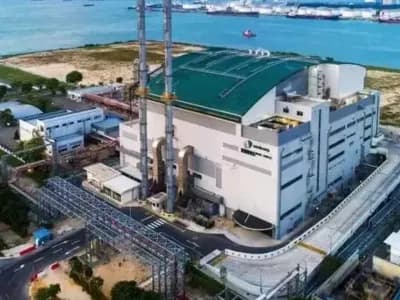
This commitment was further reinforced in March 2025 through the full acquisition of Sembcorp Environment (SembEnviro), a leading Singapore-based company with extensive experience in municipal waste management, recycling, and environmental solutions.
In September 2025, SembEnviro officially rebranded as CORA Environment, creating a unified identity for all TBS waste management businesses across Southeast Asia.
Today, through AMES, ARAH, and CORA Environment, TBS continues to implement its TBS2030 roadmap to develop more sustainable waste-to-resource solutions.
Supported by five waste management facilities across Indonesia and Singapore, TBS processed more than 1 million tons of waste throughout 2025 and served over 475,000 customers.
Through innovation, investment, and advancements in waste management technologies, TBS Energy demonstrates that inorganic waste is a valuable resource capable of generating economic value while helping build a cleaner and more sustainable future for Indonesia and Southeast Asia.