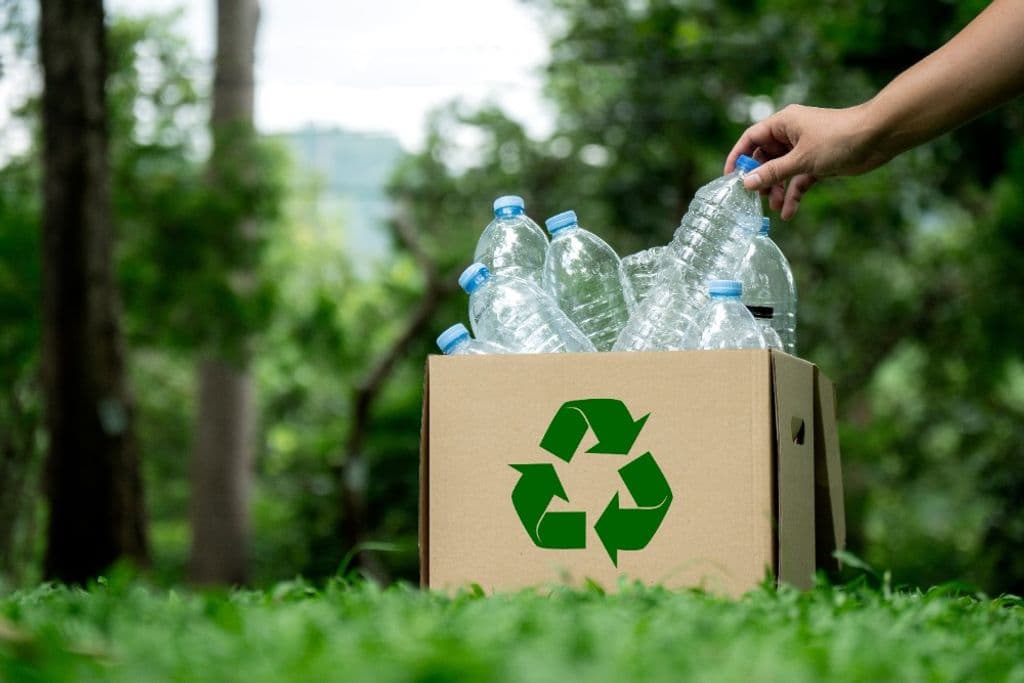
Recycling is the process of transforming waste materials or used items into new products that still have practical value.
Through recycling, the amount of waste ending up in landfills can be reduced, natural resources can be conserved, and economic opportunities from waste management can continue to grow in Indonesia.
As waste generation increases every year, implementing recycling principles becomes increasingly important. Recycling not only helps protect the environment but also supports the concept of a circular economy, which encourages materials to remain in use for as long as possible.
What Is Recycling?
Recycling is one of the key components of the 3R concept (Reduce, Reuse, Recycle) used in sustainable waste management. Under this concept:
- Reduce means minimizing the use of products that generate waste.
- Reuse means using items again as long as they remain functional.
- Recycle means processing waste or used materials into new and useful products.
Through recycling, various types of waste such as paper, plastic, glass, and metal can be reused instead of becoming pollutants that harm the environment.
In Indonesia, recycling is becoming increasingly relevant as waste volumes continue to grow, particularly in urban areas. Therefore, communities, governments, and private-sector organizations need to collaborate to increase recycling rates and reduce reliance on landfills.
Read More: Proper Hazardous Waste Management: Methods, Examples in Indonesia, and Its Impact
Why Is Recycling Important?
Here are some of the main reasons why recycling is important:
1. Reduces Waste Accumulation
One of the primary benefits of recycling is reducing the amount of waste sent to landfills. The more materials that are recycled, the less land is required for waste disposal.
2. Conserves Natural Resources
Recycling reduces the need for virgin raw materials. For example, recycled paper can help reduce deforestation, while recycled plastics can lower dependence on petroleum-based materials.
3. Saves Energy
Manufacturing products from recycled materials generally requires less energy than producing them from raw resources. This helps reduce carbon emissions and supports efforts to mitigate climate change.
4. Reduces Environmental Pollution
Extracting and processing raw materials often generates air and water pollution. By increasing recycling activities, the need for these processes can be reduced, resulting in lower environmental impacts.
5. Creates Economic Value
The recycling industry creates business opportunities and new jobs.
In Indonesia, the waste management and circular economy sectors continue to expand, ranging from waste banks and recycled plastic processing facilities to companies that transform waste into value-added products.
How Does the Recycling Process Work?
Although recycling methods vary depending on the material, the process generally involves the following stages:
1. Collection
Waste or used materials are collected from households, industries, recycling centers, and waste management facilities.
2. Sorting
Materials are separated according to type, such as paper, plastic, metal, and glass. This stage is crucial for ensuring the quality of recycled products.
3. Cleaning and Processing
Sorted materials are cleaned to remove contaminants such as food residue, labels, and other substances that may interfere with production.
4. Manufacturing New Materials
After processing, the materials are transformed into raw materials that can be used to produce new products.
5. Use of Recycled Products
The recycling cycle becomes more effective when consumers and businesses choose products made from recycled materials.
Examples of Recycling at Home
Recycling does not have to be carried out on an industrial scale. Here are some simple examples that can be practiced at home:
1. Turning Used Containers into Plant Pots
Unused water gallons, buckets, or plastic containers can be repurposed into plant pots. This reduces waste while enhancing the appearance of home gardens.
2. Transforming Plastic Bottles into Decorations or Accessories
Used plastic bottles can be converted into lamp decorations, storage containers, and various creative crafts.
3. Making Toys from Cardboard
Unused cardboard can be transformed into toy cars, dollhouses, or educational toys for children.
4. Producing Recycled Paper
Used paper can be shredded into pulp and remade into new sheets for arts and crafts projects.
5. Repurposing Old CDs or DVDs
Unused CDs and DVDs can be turned into coasters or decorative home accessories with a little creativity.
6. Creating a Phone Charging Holder from Plastic Bottles
Used plastic bottles can be modified into convenient holders for smartphones while charging.
Recycling and Its Role in the Circular Economy
Today, recycling is one of the fundamental pillars of the circular economy. Unlike the traditional linear model of “take, make, dispose,” the circular economy seeks to keep materials in use for as long as possible.
Under this approach, waste is no longer viewed as a useless byproduct but as a valuable resource with economic potential.
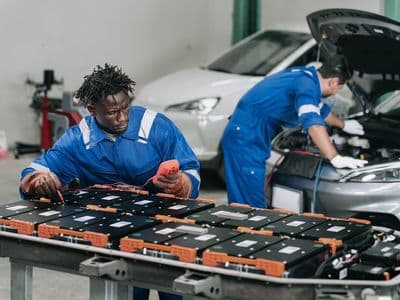
This concept is increasingly important for Indonesia, which faces significant challenges in managing urban waste, industrial waste, and electronic waste.
However, the success of recycling systems still faces several obstacles, including low levels of waste separation at the source, limited recycling infrastructure, and insufficient public awareness regarding recyclable materials.
For this reason, support from all stakeholders is necessary to build a more modern, integrated, and sustainable waste management ecosystem.
Read More: Waste Management: The Key to Solving the Waste Processing Crisis, Methods and Solutions
Building a Sustainable Recycling Future with TBS
Recycling is an essential step in reducing waste, conserving natural resources, minimizing pollution, and supporting the growth of a circular economy in Indonesia.
To maximize these benefits, support is needed from companies capable of managing waste through integrated and sustainable solutions.
One company actively developing modern waste management solutions is TBS Energi Utama.
Through its waste management subholding, PT Solusi Bersih TBS (SBT), TBS strengthened its waste management business by acquiring Asia Medical Enviro Services (AMES) and ARAH.
Both companies specialize in the management of medical waste, hazardous and toxic waste (B3 waste), domestic waste, and electronic waste.
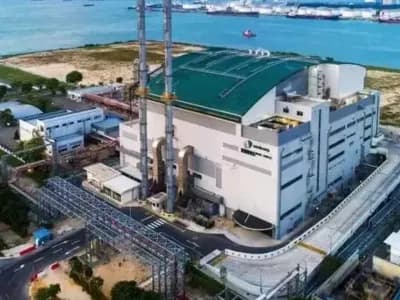
In March 2025, TBS further expanded its regional footprint through the full acquisition of Sembcorp Environment (SembEnviro) in Singapore, a company with extensive experience in urban waste management, recycling, and environmental solutions.
In September 2025, SembEnviro was officially rebranded as CORA Environment, unifying TBS’s waste management businesses under a single regional identity.
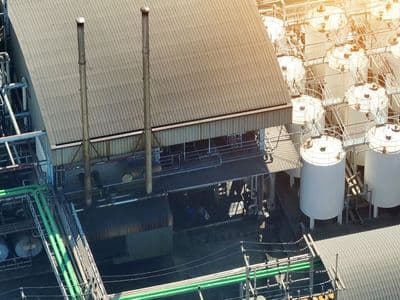
Today, TBS Energy operates five waste processing facilities across Indonesia and Singapore, serves more than 475,000 customers, and managed over 1 million tons of waste throughout 2025.
These achievements are part of the TBS2030 roadmap, which aims to accelerate the transition toward more sustainable waste management, minimize environmental impacts, and create long-term value for communities across Southeast Asia.
Through collaboration among communities, governments, and industry players such as TBS Energi Utama, recycling efforts can continue to expand, helping create a cleaner environment, a more circular economy, and a more sustainable future.