Hydropower energy is one of the renewable energy sources that utilizes the flow or movement of water to generate electricity.
In Indonesia, hydropower has significant potential due to the country’s many rivers, reservoirs, and high rainfall levels, making it an important part of the transition toward cleaner and more sustainable energy.
As electricity demand continues to grow and efforts to reduce carbon emissions increase, the use of renewable energy sources has received more attention.
One of the energy sources that has been used for decades is hydropower energy or water-based power.
Besides being able to generate large amounts of electricity, hydropower is also known for its flexibility and ability to help maintain electricity supply stability when other energy sources such as solar and wind experience fluctuations.
What Is Hydropower Energy?
Hydropower energy is energy derived from the movement of water and is used to generate mechanical power and electricity.
This energy is generally utilized through Hydropower Plants (HPP) or Mini Hydropower Plants (MHPP).
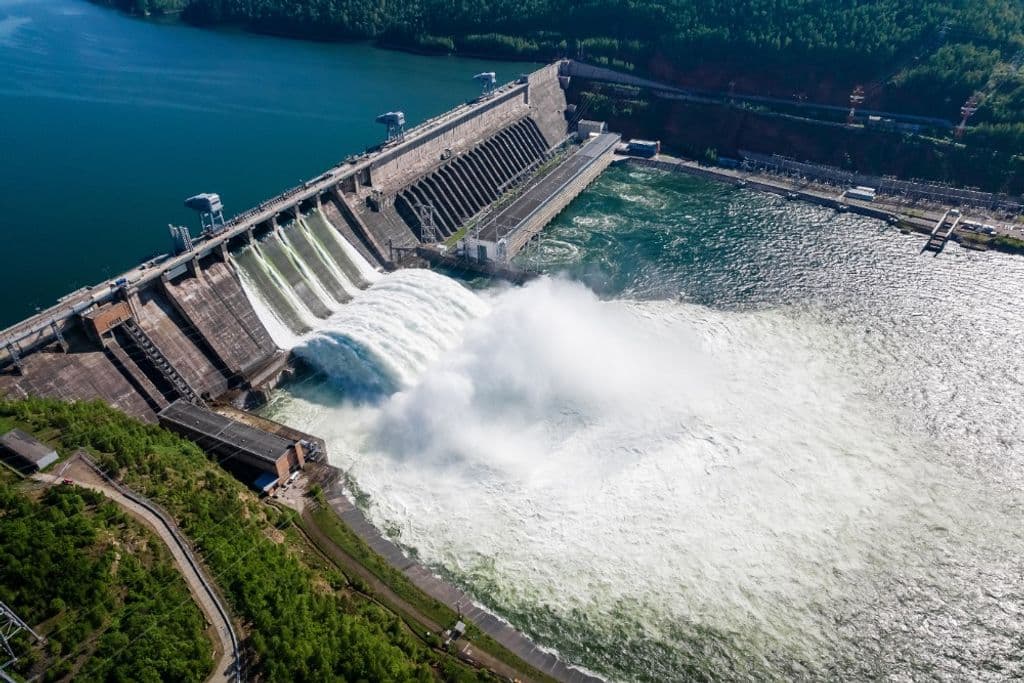
The process is relatively simple. Water stored in reservoirs or flowing through rivers is directed toward turbines.
The force of the water rotates the turbines, which are connected to generators. The generators then convert mechanical energy into electrical energy, which is distributed to the electricity grid.
Because it utilizes the natural water cycle that continuously repeats through rainfall, rivers, and evaporation, hydropower is considered a renewable energy source that can be used in the long term.
Read Also: Solar Panels for Industry: 10 Benefits of Clean Energy
Sources and How Hydropower Energy Works
The main sources of hydropower energy include:
- Rivers with stable water flow.
- Reservoirs and dams.
- Rainwater collected in mountainous areas.
- Lakes and artificial reservoirs.
- Pumped storage systems or water-based energy storage systems.
In dam-based power plants, water is stored first in a reservoir. When electricity demand increases, water is released toward turbines to generate energy.
Meanwhile, in run-of-river power plants, electricity production depends on the natural volume of flowing water.
The main advantage of hydropower compared to several other renewable energy sources is its flexibility. Hydropower plants can increase or decrease electricity production quickly according to the needs of the power system.
Benefits of Hydropower Energy
The utilization of hydropower energy provides various benefits for both the energy sector and the environment.
1. Producing Clean Energy
Hydropower can generate electricity without burning fossil fuels. This helps reduce greenhouse gas emissions and supports climate change mitigation efforts.
2. Renewable Energy Source
The natural water cycle continues to occur, allowing water resources to be replenished. Unlike coal or oil, which are limited resources, hydropower can be utilized sustainably.
3. Maintaining Electricity System Stability
Hydropower plants can respond quickly to changes in electricity demand. This ability helps maintain grid stability, especially when electricity production from solar or wind energy decreases.
4. Supporting Flood Control
Dams used for power generation can also regulate water flow. With proper management, flood risks in downstream areas can be reduced during periods of high rainfall.
5. Supporting Community Economic Activities
The presence of reservoirs and dams often encourages the development of tourism, fisheries, and agricultural irrigation sectors. This can provide additional economic benefits for surrounding communities.
Examples of Hydropower Energy Utilization in Indonesia
Indonesia has significant hydropower potential due to its geographical conditions, which are rich in rivers and mountainous areas. Some examples of hydropower utilization in Indonesia include:
- Cirata Hydropower Plant in West Java.
- Saguling Hydropower Plant in West Java.
- Asahan Hydropower Plant in North Sumatra.
- Poso Hydropower Plant in Central Sulawesi.
- Various mini hydropower plants in rural and mountainous areas.
Besides large-scale power plants, the development of mini hydropower plants is becoming increasingly important because they can provide electricity to areas that are difficult to reach by the main electricity grid.
The utilization of hydropower is considered strategic in supporting Indonesia’s renewable energy mix targets while strengthening national energy security.
Negative Impacts of Hydropower Energy
Although it offers many benefits, hydropower energy also has several challenges and impacts that need to be considered.
1. Changes to River Ecosystems
Dam construction can alter natural river flows and affect fish habitats and other aquatic organisms. Therefore, infrastructure design needs to consider environmental aspects.
2. High Initial Investment Costs
The construction of hydropower plants requires significant investment for dams, turbines, transmission networks, and other supporting infrastructure.
3. Dependence on Water Availability
Electricity production from hydropower is highly influenced by hydrological conditions. During long dry seasons or periods of reduced water flow, power generation capacity may decrease.
4. Potential Community Relocation
Large-scale reservoir construction sometimes requires extensive land areas, which may affect settlements and community activities around project locations.
5. Sedimentation Risks
Mud and materials carried by river flows can accumulate in reservoirs. If not properly managed, sedimentation can reduce water storage capacity and power plant efficiency.
Read Also: Clean Energy: Definition, Benefits, Types, and Examples in Indonesia
Hydropower Energy and TBS’s Commitment to Renewable Energy Development
Hydropower energy is one of the important solutions to support clean, reliable, and sustainable electricity needs in Indonesia.
With abundant water resources, hydropower development can help reduce dependence on fossil fuels while supporting national energy transition targets.
As part of its commitment to renewable energy development, TBS Energi Utama continues to expand its sustainable business portfolio through various clean energy projects in Indonesia.
In 2020, through its subsidiary PT Toba Bara Energi (TBAE), TBS acquired PT Adimitra Energi Hidro (AEH), a developer of a Mini Hydropower Plant (MHPP) with a capacity of 2 x 3 MW in Lampung, as well as PT Bayu Alam Sejahtera (BAS), which explores wind energy opportunities in East Nusa Tenggara.
One of TBS’s important achievements was the successful AEH project, which achieved Commercial Operation Date (COD) on January 22, 2025.
The mini hydropower plant now contributes 6 MW of clean energy for the Southern Sumatra region while supporting infrastructure development, improving electricity access, and preserving the environment around the operational area.
In addition to hydropower, TBS is also developing the Tembesi Floating Solar Power Plant (PLTS) project in Batam.
The project reached financial closing in 2024 and is targeted to fully operate and integrate into the national electricity grid by 2026. TBS is also currently developing a 46 MWp Floating Solar Power Plant project in Batam.
Through the development of the operational 6 MW mini hydropower plant in Lampung and the 46 MWp floating solar project in Batam, TBS Energi Utama demonstrates its commitment to accelerating renewable energy utilization in Indonesia.
These initiatives not only support carbon emission reduction but also help create green jobs, improve environmental quality, and strengthen national energy resilience for a more sustainable future.