Energy transition is an important step to reduce greenhouse gas emissions, strengthen energy security, and support more sustainable economic growth.
Through the utilization of renewable energy, electrification, digitalization, and the development of new technologies, Indonesia has a great opportunity to achieve low-carbon development targets while creating broad economic and social benefits.
Energy demand continues to increase along with population growth and economic activities. However, dependence on fossil fuels remains a challenge because the energy sector contributes significantly to global greenhouse gas emissions that accelerate climate change.
Therefore, many countries, including Indonesia, are accelerating the shift toward cleaner and more environmentally friendly energy sources.
What Is Energy Transition?
Energy transition is the process of transforming an energy system that previously relied on fossil fuels, such as coal, oil, and natural gas, into a system based on cleaner and more sustainable energy sources.
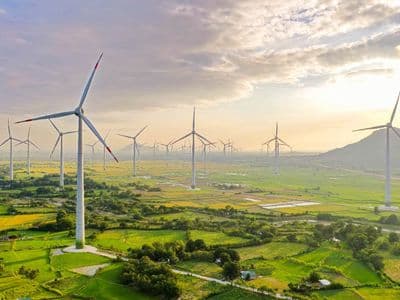
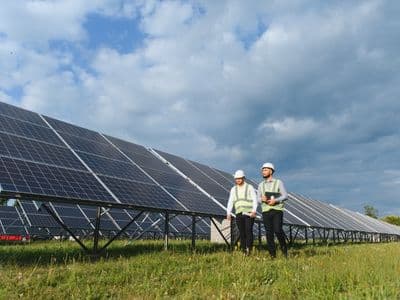
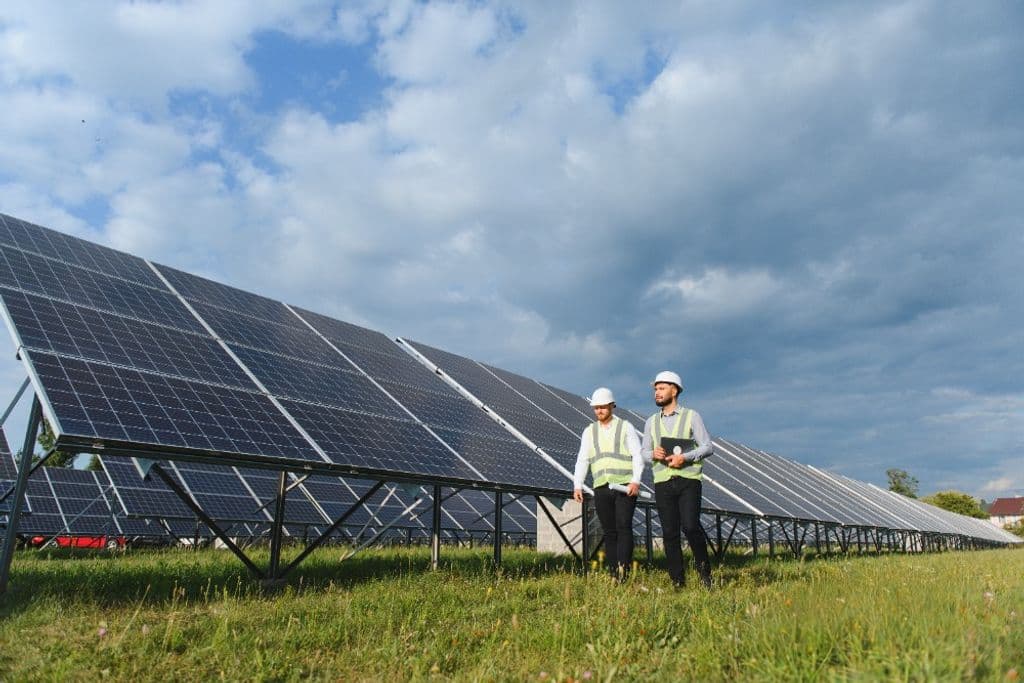
These energy sources include hydropower, solar power, wind power, geothermal energy, as well as supporting technologies such as energy storage and electrification.
This transformation is not only about replacing energy sources but also involves changes in technology, infrastructure, and energy consumption patterns.
The main goal is to reduce carbon emissions while ensuring that energy needs remain available in a reliable and affordable manner.
The push to accelerate energy transition has become stronger after various scientific reports showed that global temperatures continue to rise due to greenhouse gas emissions.
Global commitments through the Paris Agreement and various international forums also aim to achieve carbon neutrality or net zero emissions by the middle of this century.
Read Also: Decarbonization: The Transition Strategy from Fossil Fuels to Clean Energy Explained
Why Is Energy Transition Important for Indonesia?
As a developing country with increasing energy demand, Indonesia faces the challenge of balancing economic growth with environmental sustainability.
Energy transition is a solution to address both needs. Here are several reasons why energy transition is important for Indonesia.
1. Reducing Emissions and Climate Change Impacts
The use of renewable energy can help reduce carbon emissions from fossil fuel-based power plants. By lowering emissions, the risks of climate-related disasters such as floods, droughts, and extreme weather can be minimized.
In addition, clean energy use contributes to improving air quality, which positively impacts public health, especially in densely populated urban areas.
2. Increasing Energy Security and Independence
Indonesia has enormous renewable energy potential, ranging from solar power, hydropower, geothermal energy, to wind energy.
Utilizing these local resources can reduce dependence on imported energy while strengthening national energy security.
Diversifying energy sources also makes the electricity system more resilient to fossil fuel price fluctuations and global geopolitical dynamics.
3. Encouraging Economic Growth and Job Creation
The development of the renewable energy sector creates new investment opportunities and employment across various fields, from construction and power plant operations to technology development.
This green economic growth can also encourage the emergence of new, more sustainable industries.
In addition, energy transition supports the development of circular economy practices and technological innovation that can improve Indonesia’s competitiveness globally.
Supporting Technologies in Energy Transition
The success of energy transition does not only depend on renewable energy sources but also on supporting technologies that ensure energy supply remains stable and efficient, including:
1. Energy Storage Systems
One of the challenges of renewable energy is its dependence on natural conditions.
Solar energy, for example, can only generate electricity when sunlight is available. Therefore, energy storage technologies such as batteries are essential solutions for storing electricity and using it when needed.
2. Electrification and Electric Vehicles
Electrification is the process of replacing fossil fuel-based energy use with electricity.
Examples include induction cookers, heat pumps, and electric vehicles.
Electric vehicles not only help reduce emissions but can also support energy systems through vehicle-to-grid (V2G) technology, which allows vehicle batteries to store and supply energy back to the electricity grid.
3. Digitalization and Energy Management
Digital technologies such as the Internet of Things (IoT), artificial intelligence (AI), and smart grids help monitor energy consumption in real time.
These technologies enable more efficient energy distribution and support large-scale integration of renewable energy.
4. Development of Green Hydrogen and Low-Carbon Technologies
In addition to solar, wind, and hydropower, green hydrogen development is considered one of the major opportunities to support decarbonization in the industrial and transportation sectors.
Carbon capture technology can also help reduce emissions from sectors that still use fossil fuels during the transition period.
Read Also: Energy Diversification: The Importance of Renewable Energy for Indonesia’s Future
TBS’s Role in Supporting Energy Transition in Indonesia
As a company committed to supporting sustainable development, TBS Energi Utama continues to expand its renewable energy portfolio through various strategic projects in Indonesia.
In 2020, through its subsidiary PT Toba Bara Energi (TBAE), TBS strengthened its renewable energy business by acquiring PT Adimitra Energi Hidro (AEH) and PT Bayu Alam Sejahtera (BAS).
This initiative became part of the company’s long-term strategy to support Indonesia’s national energy transition.
One of TBS’s key achievements is the AEH Mini Hydropower Plant (PLTM) in Sumberjaya, Lampung, with a capacity of 2 x 3 MW or a total of 6 MW.
The project officially reached Commercial Operation Date (COD) on January 22, 2025, and now contributes clean energy to the South Sumatra electricity system (Sumbagsel).
Besides generating environmentally friendly electricity, the project also provides benefits to communities through infrastructure development, improved energy access, and environmental conservation support.
In the solar energy sector, TBS is also developing the Tembesi Floating Solar Power Plant (PLTS) in Batam.
The project reached financial closing in 2024 and is targeted to begin commercial operation in 2026.
Once fully operational, this floating solar power plant will be connected to the national electricity grid and help reduce carbon emissions while creating new green job opportunities.
In addition to the Tembesi project, TBS is also developing a 46 MWp Floating Solar Power Plant in Batam and continues exploring wind energy potential through PT Bayu Alam Sejahtera in East Nusa Tenggara (NTT).
Through the development of the 6 MW Mini Hydropower Plant in Lampung, the Tembesi Floating Solar Power Plant in Batam, the 46 MWp Floating Solar Power Plant in Batam, and wind energy exploration in NTT, TBS Energi Utama demonstrates its commitment to accelerating energy transition in Indonesia.
These efforts not only support emission reduction targets and national clean energy development but also create sustainable economic, social, and environmental benefits for future generations.