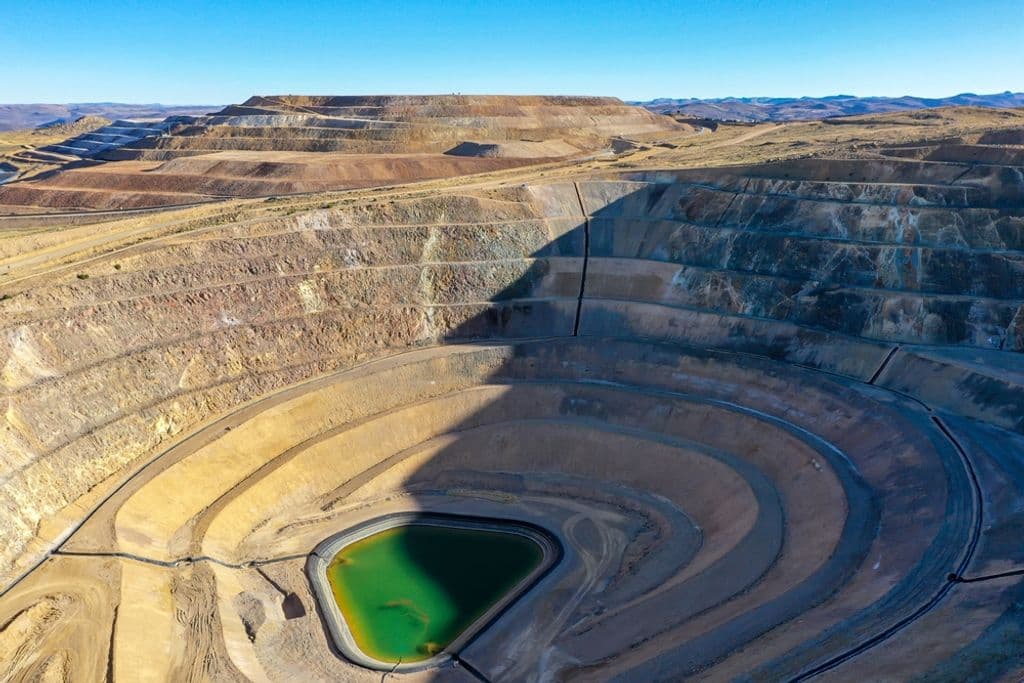
Landfill mining is a waste management method that involves excavating waste from landfill sites to reduce environmental impacts while recovering materials that still have value.
This method can help address problems associated with non-sanitary landfills, reduce pollution risks, extend the usable life of landfill areas, and support the implementation of a circular economy.
The growing volume of waste is putting increasing pressure on landfill capacity in many countries. At the same time, many older landfill sites still do not meet modern environmental management standards.
Waste that remains buried for long periods can generate leachate, methane gas, volatile organic compounds (VOCs), and other substances that may contaminate soil and water.
What Is Landfill Mining?
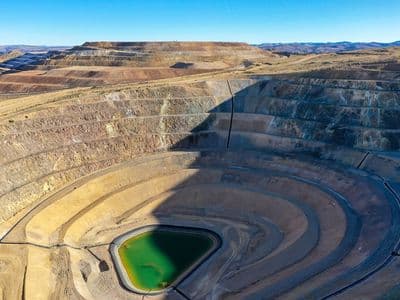
Landfill mining is the process of excavating and reprocessing waste from both active and closed landfill sites. The objective is not simply to relocate waste, but to recover materials and energy that can still be utilized.
This concept is also known as Enhanced Landfill Mining (ELFM), in which old landfill sites are viewed as sources of secondary raw materials.
Materials that have been buried for years can be separated and then recycled, converted into alternative fuels, or managed through other methods depending on their characteristics.
The process requires various types of equipment, such as excavators, conveyor belts, front-end loaders, ballistic separators, and odor control systems.
The complexity of the process depends on the type of landfill, waste composition, the age of the buried waste, and the moisture content of the materials.
Read Also: Waste Management Systems: From 3R to 9R for a Greener Future
How Is Landfill Mining Carried Out?
Landfill mining requires careful planning and supervision because materials inside a landfill have been mixed together and may have undergone significant physical and chemical changes over time.
1. Excavating Buried Waste
The process begins by identifying the area to be excavated based on the condition of the landfill, the age of the waste, site safety, and material recovery objectives.
Heavy equipment is then used to excavate and move the material.
2. Sorting Materials
Excavated materials are processed based on size, weight, and physical characteristics.
Sorting is an important stage for identifying materials that can be recovered while reducing the amount of residual waste that still needs to be managed.
3. Separating Valuable Materials
Metals such as iron, steel, and aluminum can be separated using specific technologies.
Other materials, including plastics, glass, and aggregates, may also be recovered where their condition and available processing technologies allow.
4. Utilizing Recovered Materials
Recovered materials can be directed toward various applications.
Metals and certain other materials can be returned to industrial supply chains as raw materials, while fractions with sufficient calorific value can be processed into Refuse Derived Fuel (RDF) or other alternative fuels.
5. Managing Residual Waste
Not all materials can be recovered or reused.
The remaining residual waste needs to be managed using appropriate methods to prevent new environmental risks.
Benefits of Landfill Mining
The implementation of landfill mining can offer environmental, economic, and land-use benefits.
1. Reducing Pollution Risks
Poorly managed landfill sites can generate leachate that may contaminate soil and water sources.
Waste deposits can also produce methane, a highly flammable greenhouse gas that contributes to climate change.
By excavating and properly managing legacy waste, these risks can potentially be reduced while supporting environmental remediation.
2. Recovering Landfill Areas
Legacy waste occupies large areas of land and may limit the potential use of those areas for other purposes.
Landfill mining can reduce the volume of buried waste, allowing parts of a landfill site to potentially be reclaimed or repurposed once environmental requirements have been met.
3. Recovering Resources
Waste that has been buried does not necessarily lose all of its value.
Metals, plastics, glass, recovered soil-like materials, and combustible fractions can all potentially become secondary resources.
Recovering these materials aligns with circular economy principles by reducing dependence on newly extracted raw materials.
Materials That Can Be Recovered
The types of materials that can be obtained through landfill mining vary significantly depending on the characteristics of the landfill site.
1. Metals
Iron, steel, and aluminum are among the materials that may retain economic value after separation.
These materials can potentially be reused as industrial raw materials.
2. Plastics and Glass
Some plastics and glass can be recovered and recycled if their condition still meets processing requirements.
Sorting technology plays an important role in determining the quality of the recovered materials.
3. Soil-Like Materials
Soil-like materials found within landfill deposits may be used for certain purposes, including as cover material, provided that they have undergone appropriate testing and comply with applicable requirements.
4. Alternative Fuels
Combustible waste fractions with sufficient calorific value can be processed into RDF.
The use of RDF can provide an alternative way to convert part of the waste stream into an energy source for industrial applications.
Landfill Mining in Asia and Indonesia
Across the Asia-Pacific region, landfill mining is increasingly being considered as an approach to managing legacy landfill sites while recovering valuable materials from buried waste.
Countries such as Japan, South Korea, Australia, and several Southeast Asian nations face growing pressure to reduce waste disposal to landfills and improve resource recovery.
Advances in sorting technologies, automation, material identification sensors, and integration with waste-to-energy systems are also creating opportunities for more efficient landfill mining.
In Indonesia, this approach is also relevant as several landfill sites face capacity constraints, accumulated legacy waste, and the need for better waste management practices.
Landfill mining can become one part of a broader strategy to reduce pressure on landfill sites, although its implementation still needs to consider site-specific conditions, safety requirements, waste characteristics, and environmental regulations.
Read Also: The Impact of Waste Burning: Risks to Health, the Environment, and Possible Solutions
TBS and Integrated Waste Management in Southeast Asia
Transforming waste management requires an integrated ecosystem covering collection, treatment, recycling, and energy recovery.
TBS is strengthening these capabilities through the development of its waste management business in Indonesia and Singapore.
The first step was taken in 2023 through the acquisition of Asia Medical Enviro Services (AMES) and ARAH Environmental Indonesia, which operate across medical, hazardous and toxic, household, and electronic waste management.
Both companies were subsequently consolidated under PT Solusi Bersih TBS (SBT), a sub-holding dedicated to waste management.
In March 2025, TBS completed the full acquisition of Sembcorp Environment (SembEnviro) in Singapore, which has expertise in municipal waste management, recycling, and environmental solutions.
Then, in September 2025, SembEnviro was officially renamed Cora Environmental, bringing TBS’s waste management businesses under one identity and strengthening its ambition to deliver waste-to-resource solutions across Asia.
Today, TBS operates five waste treatment facilities across Indonesia and Singapore, processed more than 970,000 tonnes of waste in 2025, and serves more than 475,000 active customers.
TBS’s portfolio includes:
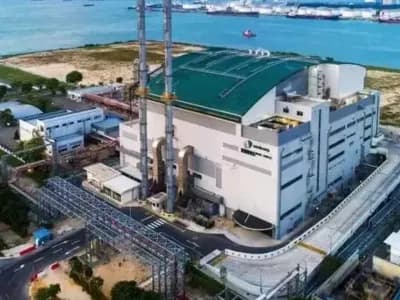
- Cora Environmental, a waste-to-energy operator in Singapore with a processing capacity of more than 900,000 tonnes of waste per year.
- AMES, with a waste treatment capacity of more than 5,000 tonnes per year and over 20 years of experience.
- ARAH Environmental Indonesia, which provides integrated waste management solutions across 16 provinces, supported by more than 5,000 collection points and an incineration capacity of more than 10,000 tonnes per year.
Through the TBS2030 roadmap, TBS continues to develop waste management solutions that support lower environmental impacts, greater resource recovery, and long-term value creation for Indonesia and the wider Southeast Asian region.