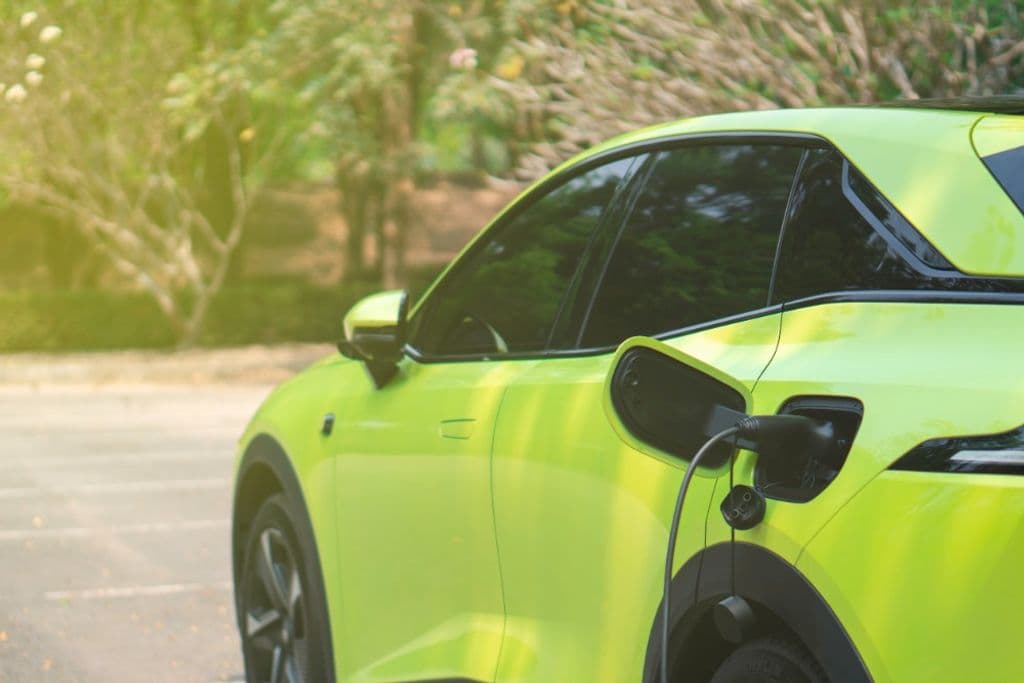
The potential for electric vehicles (EVs) in Indonesia continues to grow as government support, industrial investment, and public awareness of environmentally friendly transportation increase.
With abundant natural resources, a large market, and ongoing infrastructure development, Indonesia has the opportunity to become one of the largest electric vehicle hubs in Southeast Asia.
The development of electric vehicles is not only related to the automotive industry but is also an important part of efforts to reduce carbon emissions and accelerate the transition to clean energy.
In recent years, various policies and investments have driven the growth of Indonesia’s EV ecosystem. Although several challenges remain, the industry's outlook is considered highly promising for the country's future.
Electric Vehicle Potential in Indonesia Is Becoming More Promising
Indonesia has several factors that support the growth of electric vehicles.
One of the most significant is its large population and continuously increasing transportation demand. This makes Indonesia an attractive market for both global and domestic EV manufacturers.
The government has also demonstrated a strong commitment to accelerating EV adoption. Through various policies, including Presidential Regulation No. 55 of 2019, the government provides fiscal and non-fiscal incentives to support the development of the electric vehicle industry.
These incentives include tax reductions, investment facilitation, and support for manufacturing facility development.
In addition, Indonesia has a competitive advantage in terms of natural resources. As one of the world's largest nickel reserve holders, the country is well-positioned to become a key player in the electric vehicle battery supply chain.
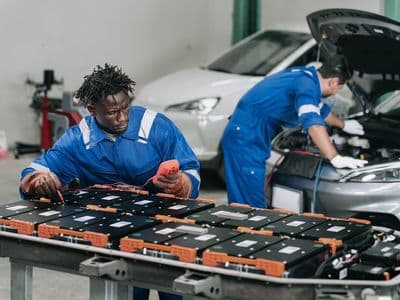
Nickel is a crucial raw material for battery production, which is the most important component of modern electric vehicles.
Read More: Understanding How Electric Cars Work Based on Their Different Types
Positive Growth in the Electric Vehicle Market
The electric vehicle market in Indonesia has shown strong growth.
According to the PwC Electric Vehicle Readiness Survey 2025, Indonesia’s EV segment grew by approximately 49%, even as the overall automotive market experienced contraction.
This growth indicates that public interest in electric vehicles continues to rise. The survey also found that around 70% of respondents in Indonesia fall into the category of potential EV users or EV prospects.
Customer satisfaction among EV owners is exceptionally high. Approximately 99% of electric vehicle owners in Indonesia reported being satisfied with their vehicles.
The primary factors driving satisfaction include lower operating costs, improved charging times, and advancements in battery technology.
These findings suggest that the potential for electric vehicles in Indonesia is driven not only by government and industry support but also by growing public acceptance of new technologies.
Global Investment Accelerates Industry Development
Many global automotive companies now view Indonesia as a strategic market for electric vehicle development.
Major manufacturers such as Hyundai and BYD have invested in production facilities and expanded their business operations in Indonesia.
The influx of foreign investment positively impacts the national economy. In addition to creating new jobs, these investments promote technology transfer and strengthen the domestic EV supply chain.
Meanwhile, the government aims to produce hundreds of thousands of electric vehicles in the coming years. This target is expected to accelerate industry growth while enhancing Indonesia’s competitiveness at the regional level.
Challenges That Still Need to Be Addressed
Despite its strong potential, the development of electric vehicles in Indonesia still faces several challenges.
1. Uneven Charging Infrastructure
One of the primary challenges is the limited availability of EV charging infrastructure.
Currently, public charging stations are concentrated in major cities such as Jakarta, Bandung, Surabaya, and several other urban areas.
As a result, some consumers remain hesitant to switch to electric vehicles, particularly those who frequently travel long distances.
Expanding charging infrastructure is therefore a critical factor in supporting future market growth.
2. Relatively High Vehicle Prices
The cost of electric vehicles remains a key consideration for many consumers.
High production costs, especially for battery components, generally make EVs more expensive than conventional internal combustion engine vehicles.
However, advances in battery technology and increased production scale are expected to gradually reduce EV prices over the coming years.
3. Strengthening the Local Component Industry
The government is encouraging higher levels of Domestic Component Content Requirements (TKDN) to strengthen national industries.
However, many manufacturers still rely on imported components, particularly batteries and supporting technologies.
Developing a robust local component industry is essential to ensure that Indonesia becomes not only an EV market but also a major production hub capable of generating greater economic value.
The Future of Electric Vehicle Potential in Indonesia
Considering current developments, the future of electric vehicles in Indonesia appears highly promising.
Government support, increasing investment, market growth, and rising environmental awareness among consumers provide a strong foundation for the industry's expansion.
Indonesia also has significant potential to become a regional hub for battery and electric vehicle manufacturing in Southeast Asia.
If challenges related to infrastructure, affordability, and supply chains can be addressed progressively, industry growth is expected to accelerate further in the coming years.
The advancement of electric vehicles will not only benefit the transportation sector but also support carbon emission reduction targets and the transition toward cleaner and more sustainable energy.
Working with TBS to Advance Indonesia’s Electric Vehicle Ecosystem
The development of electric vehicles requires collaboration among governments, industries, and various stakeholders. One company actively contributing to the growth of Indonesia’s EV ecosystem is TBS, through Electrum.
In 2021, TBS Energy and GoTo Group established PT Energi Kreasi Bersama (Electrum) to develop an integrated electric mobility ecosystem in Indonesia.
Electrum focuses not only on electric vehicles but also on battery technology, battery swapping stations, charging infrastructure, and financing solutions.
The company has achieved several notable milestones.
In 2022, Electrum supported the G20 Summit in Bali by providing 50 electric motorcycles, 11 charging shelters, and 150 Gojek driver-partners to facilitate transportation for international delegates.
At the end of 2024, Electrum secured US$15 million in financing from the Asian Development Bank (ADB), the Australian Climate Finance Partnership (ACFP), and Bank DBS Indonesia.
The funding is being used to expand its electric vehicle fleet and battery-swapping network, which is projected to reduce greenhouse gas emissions by up to 123,000 tons annually.
By 2025, Electrum had deployed more than 6,000 electric vehicles, operated over 370 Battery Swapping Station locations, and facilitated more than 19,000 battery swaps per day.
These efforts have helped avoid more than 3,200 tons of CO₂ emissions, demonstrating TBS’s strong commitment to supporting the growth of Indonesia’s electric vehicle industry.
Through infrastructure development, technological innovation, and strategic partnerships, TBS continues to contribute to building a cleaner, more efficient, and more sustainable transportation future for Indonesia.