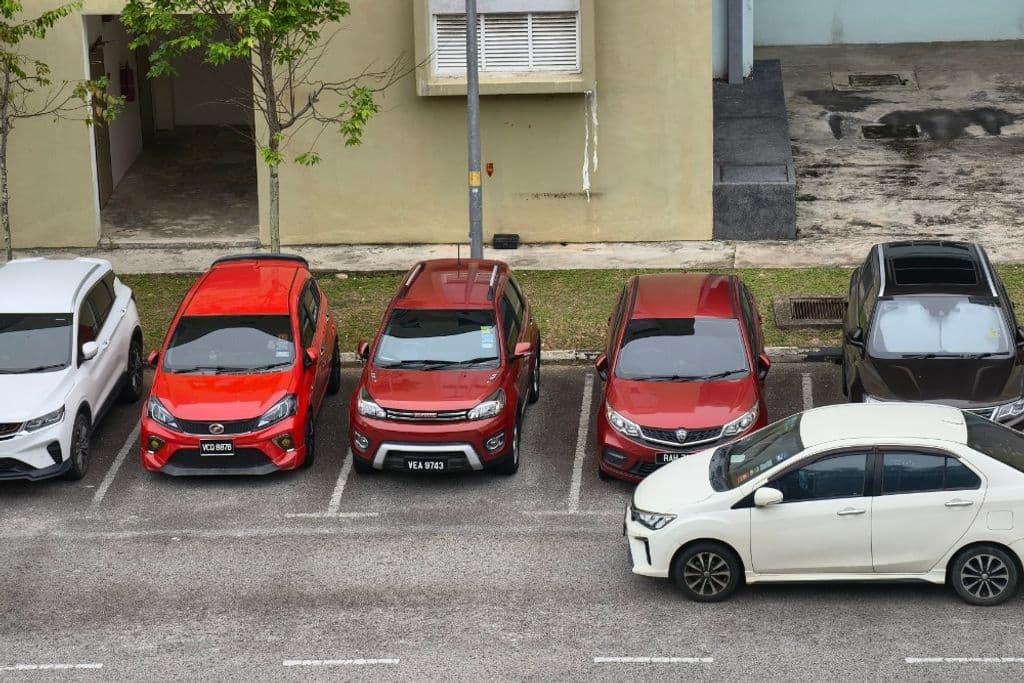
The types of cars available on the market today are highly diverse, ranging from SUVs and sedans to electric vehicles that are becoming increasingly popular in Indonesia.
Each type of car has different characteristics, functions, and advantages, making it important to understand the differences before choosing a vehicle that suits your needs.
The development of the automotive industry has made vehicle choices increasingly diverse. This trend is also visible in Indonesia, where consumers are paying more attention to factors such as fuel efficiency, comfort, and sustainability when purchasing vehicles.
Getting to Know Popular Types of Cars
Here are some of the most common types of cars found on roads in Indonesia and around the world.
1. SUV (Sport Utility Vehicle)
SUV is one of the most popular types of cars today. This vehicle is known for its high driving position, spacious cabin, and ability to handle various road conditions.
In Indonesia, SUVs are highly favored because they can handle both urban roads and trips to areas with less-than-ideal road conditions.
Today, most SUVs use a unibody construction, which provides a more comfortable driving experience compared to traditional body-on-frame SUVs.
2. Sedan
A sedan is a type of car with a three-box design consisting of an engine compartment, passenger cabin, and separate trunk. This type of vehicle is known for offering good driving comfort, high stability, and relatively efficient fuel consumption.
Although its popularity has started to decline due to the rise of SUVs, sedans remain a preferred choice for users who prioritize comfort and an elegant appearance.
3. Pickup or Light Truck
Pickup trucks are designed to transport goods while also carrying passengers. These vehicles are widely used by business owners, the construction sector, and agricultural industries.
Advancements in technology have made modern pickups more than just work vehicles, as they now offer comfort levels closer to passenger cars.
4. Coupe
A coupe is a car with two doors and a sportier design compared to sedans. This type of car usually has an attractive appearance and higher performance capabilities.
However, its limited rear cabin space makes coupes more suitable for personal use rather than as family vehicles.
5. Van and Minivan
Vans are known for prioritizing passenger and cargo capacity. Meanwhile, minivans offer greater comfort with flexible seating configurations and sliding doors that make it easier to enter and exit the vehicle.
In Indonesia, this category is often chosen by large families or for commercial transportation needs.
6. Hatchback
A hatchback has a rear door that is integrated with the cabin, providing more flexible storage space.
This type of car is popular in urban areas because of its compact size, easy parking capability, and fuel efficiency. Hatchbacks are also often chosen as first cars by young drivers.
Read Also: Understanding How Electric Cars Work Based on Their Types
Types of Cars Based on Technology and Purpose
Besides body style, types of cars can also be categorized based on their powertrain technology and target market segments.
1. Hybrid Cars
Hybrid cars combine a gasoline engine with an electric motor as a power source.
This technology allows vehicles to use electric power under certain conditions, improving fuel efficiency. Some models can even run solely on electric power for short distances.
The popularity of hybrid cars in Indonesia continues to grow as public awareness of energy efficiency and emission reduction increases.
2. Electric Vehicles (EVs)
Electric vehicles use electric motors as their primary power source without an internal combustion engine.
The main advantages of electric vehicles include high energy efficiency, lower operating costs, and significantly reduced emissions compared to conventional vehicles.
The Indonesian government is also continuing to encourage EV adoption through various policies and supporting infrastructure development.
3. Luxury SUV
Luxury SUVs combine SUV capabilities with premium features and higher levels of comfort. These vehicles typically use high-quality materials, advanced technology, and comprehensive safety features.
This segment is popular among consumers who want a versatile vehicle without sacrificing luxury.
4. Luxury Car
Luxury cars are premium vehicles that focus on comfort, technology, and the best possible driving experience.
Many modern automotive innovations are first introduced in luxury cars before eventually being adopted by mass-market vehicles.
5. Sports Car
Sports cars are designed to deliver high performance and an enjoyable driving experience. These cars usually feature aerodynamic designs, powerful engines, and responsive handling.
Although their market share is relatively small, sports cars still have a dedicated fan base among automotive enthusiasts.
6. Convertible
A convertible is a car with a roof that can be opened and closed according to the driver’s needs.
This type of vehicle provides a unique driving experience because it allows drivers to enjoy an open-air cabin when weather conditions are favorable.
7. Grand Tourer (GT)
Grand Tourers (GTs) combine high performance with comfort for long-distance journeys.
This type of car is suitable for intercity travel because it provides a comfortable driving experience without compromising acceleration capability.
Choosing the Right Type of Car
Understanding various types of cars can help you determine the vehicle that best suits your needs. If you need a family vehicle with large capacity, an SUV or minivan can be the right choice.
For urban mobility, hatchbacks and sedans offer efficiency and convenience. Meanwhile, for those who want to contribute to emission reduction and lower operating costs, hybrid cars and electric vehicles are worth considering.
As technology continues to develop, the boundaries between vehicle categories are becoming increasingly blurred. Many manufacturers now offer combinations of different characteristics, such as electric SUVs and hybrid crossovers, giving consumers more choices.
Read Also: The Development of Electric Vehicles in Indonesia: Trends, Challenges, and the Future
TBS and Support for the Future of Electric Vehicles in Indonesia
To support the national electric vehicle ecosystem, TBS, through its collaboration with GoTo Group, established PT Energi Kreasi Bersama (Electrum) in 2021.
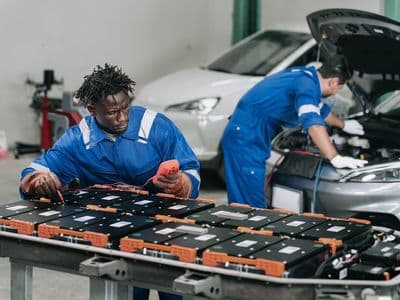
Electrum focuses on building an integrated electric mobility ecosystem in Indonesia, covering vehicle assembly, battery technology, battery swapping infrastructure, charging stations, and electric vehicle financing.
Its presence plays an important role in strengthening the value chain of Indonesia’s electric vehicle industry. In February 2022, President Joko Widodo officially launched a collaboration for an electric vehicle ecosystem involving Electrum, Pertamina, Gogoro, and Gesits.
In the same year, Electrum also participated in the G20 Summit and B20 Forum in Bali by providing 50 electric motorcycles, 11 shelters, and 150 Gojek driver partners to support delegates’ mobility.
This commitment continued through a US$15 million financing support received in December 2024 from the Asian Development Bank, the Australian Climate Finance Partnership, and Bank DBS Indonesia.
The funding is being used to expand electric vehicle procurement and battery swapping networks, which are projected to reduce greenhouse gas emissions by up to 123,000 tons annually.
Electrum has also continued expanding its product portfolio. In October 2024, the company launched the H3i electric motorcycle at the IMOS event, offering flexible charging options at home or through its battery swapping network.
Later, in 2025, Electrum introduced the latest Electrum H1 model to provide more choices for consumers.
Currently, Electrum operates more than 370 Battery Swapping Stations, supports more than 6,000 electric motorcycles, handles more than 19,000 battery swap transactions per day, and has helped avoid more than 3,200 tons of CO₂ emissions.
These achievements demonstrate TBS long-term commitment to accelerating the energy transition and providing more environmentally friendly mobility solutions for Indonesian society.