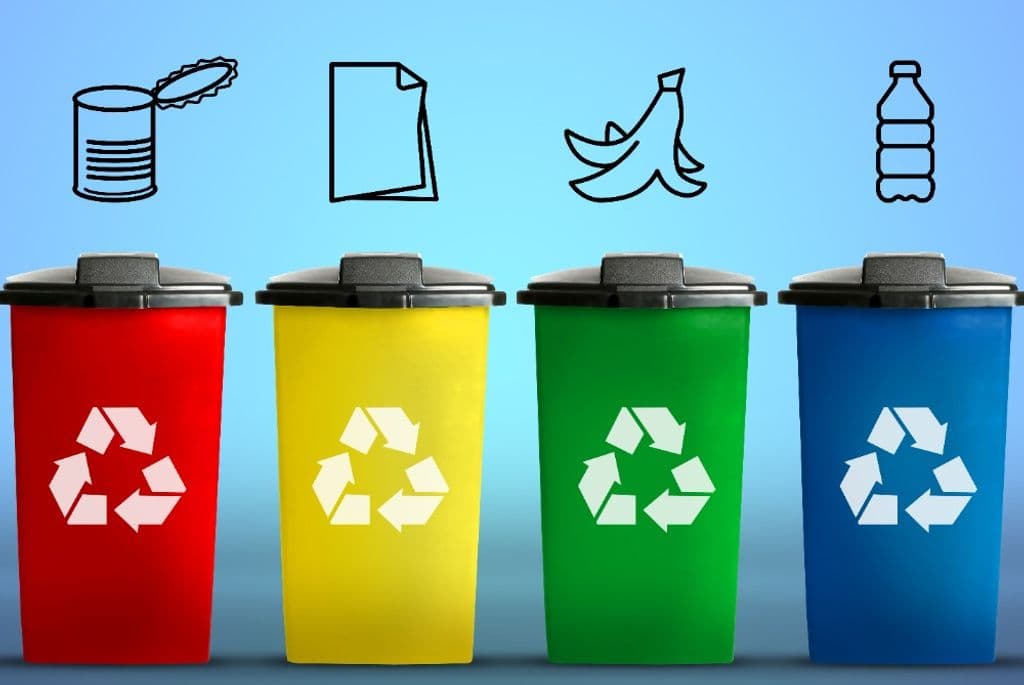
Types of waste refer to the by-products or residues generated from various activities or processes. They can take the form of solid, liquid, or gaseous waste, as well as noise pollution, each with its own characteristics and management methods.
Understanding waste classification is essential for reducing environmental pollution while supporting more sustainable waste management practices in Indonesia.
As household, industrial, agricultural, and transportation activities continue to increase, the amount of waste generated in Indonesia also continues to grow each year. If not properly managed, waste can pollute soil, water, and air, and even pose risks to human health.
Therefore, recognizing the different types of waste based on their form is an important first step toward understanding the appropriate ways to manage them.
Types of Waste Based on Their Form
Law No. 32 of 2009 on Environmental Protection and Management defines waste as the residue of a business and/or activity.
Based on their form or physical state, types of waste can be categorized into solid waste, liquid waste, gaseous waste, and noise pollution. Each has different sources, characteristics, and management methods.
1. Solid Waste
Solid waste refers to residues from activities that are in solid form, commonly known as garbage. Based on their characteristics, solid waste can be divided into several categories.
Hazardous and Toxic Solid Waste (B3)
B3 solid waste, or hazardous and toxic waste, contains substances that can pose risks to human health and the environment. Examples include used batteries, medical waste, pesticides, paint, expired medicines, and radioactive waste.
Because of its hazardous nature, this type of waste must not be disposed of together with regular waste. Its management must comply with applicable standards and regulations to prevent long-term environmental pollution.
Organic Solid Waste
Organic waste comes from living organisms and can naturally decompose through the activity of microorganisms. Examples include food scraps, dry leaves, fruit peels, animal bones, animal waste, and human waste.
Although organic waste decomposes naturally, it still needs to be properly managed.
When accumulated in landfills, organic waste can produce methane gas, which contributes to global warming. On the other hand, when properly processed, organic waste can be turned into compost or fertilizer.
Inorganic Solid Waste
Inorganic waste comes from materials that are difficult to decompose naturally, such as plastic, glass, metal, and certain types of processed wood.
This type of waste requires recycling or reuse to prevent accumulation in the environment. Reducing the use of single-use plastics is also an important step in reducing pollution.
Read Also: Different Types of Waste Based on Their Properties, Forms, and Sources
2. Liquid Waste
Liquid waste refers to residues from activities that are in liquid form, either as water or as a mixture containing various dissolved substances. Based on their sources, liquid waste can be divided into several types.
Industrial Liquid Waste
Industrial liquid waste comes from production processes in various sectors, including food, textile, chemical, and manufacturing industries.
The characteristics of this waste vary depending on the type of industry. Some may contain heavy metals, chemicals, synthetic dyes, or hazardous and toxic substances, meaning they must be treated before being discharged into the environment.
Agricultural Liquid Waste
Agricultural activities also generate liquid waste, particularly from the use of fertilizers and pesticides.
If discharged into rivers or lakes without proper treatment, excessive nutrient content can trigger eutrophication, a process in which excessive algae growth reduces oxygen levels in the water and disrupts aquatic ecosystems.
Domestic Liquid Waste
Domestic liquid waste comes from household activities, such as wastewater from washing clothes, bathrooms, and kitchens.
Although it may appear harmless, domestic wastewater can contain detergents, oil, and organic substances that can pollute the environment if discharged without an adequate treatment system.
3. Gaseous Waste
Gaseous waste consists of substances released into the atmosphere, either in the form of gases or particles such as smoke, dust, and mist.
Methane Gas (CH₄)
Methane is commonly generated from organic waste management, livestock farming, and human and animal waste.
This gas is one of the greenhouse gases with a greater heat-trapping capacity than carbon dioxide over a certain period.
Therefore, proper organic waste management is an important measure for reducing methane emissions.
Nitrogen Oxides (NOx)
Nitrogen oxides are produced by combustion processes, particularly from motor vehicles and industrial activities. These gases contribute to air pollution and acid rain and can negatively affect human health, especially the respiratory system.
Carbon Dioxide (CO₂)
Carbon dioxide is primarily generated by the combustion of fossil fuels, power generation, and industrial activities.
Increasing concentrations of CO₂ in the atmosphere are one of the main causes of the greenhouse effect, which contributes to climate change and rising global temperatures.
4. Noise Pollution
In addition to physical forms of waste, noise or noise pollution is another form of environmental pollution that needs attention.
Sources include vehicle traffic, industrial activities, construction projects, airports, and entertainment activities involving high sound levels.
Continuous exposure to excessive noise can cause hearing problems, sleep disturbances, stress, reduced concentration, and an increased risk of cardiovascular disease.
In major Indonesian cities, noise pollution is becoming an increasingly significant challenge as transportation and construction activities continue to grow.
Why Is Waste Management So Important?
Each type of waste has different characteristics and therefore requires a different management approach.
Organic waste can be processed into compost, inorganic waste can be recycled, while B3 waste requires specialized treatment facilities.
In Indonesia, proper waste management not only helps protect environmental quality but also supports the circular economy by enabling the reuse of materials that still have value.
In addition, effective waste management can reduce greenhouse gas emissions, maintain water and soil quality, and protect public health.
Read Also: Sanitary Landfill: An Environmentally Friendly Waste Management Method
TBS Energi Utama Supports Integrated Waste Management in Southeast Asia
Waste management requires collaboration between communities, industries, and companies with adequate technology and treatment facilities.
One company that continues to strengthen its commitment in this field is TBS Energi Utama, through the development of integrated waste management services in Indonesia and Singapore.
In 2023, TBS Energi Utama established the foundation of its waste management business through the acquisition of Asia Medical Enviro Services (AMES) and ARAH, companies with expertise in managing medical waste, hazardous and toxic waste, domestic waste, and electronic waste.
These businesses were subsequently placed under PT Solusi Bersih TBS (SBT), a dedicated waste management subholding company.
This commitment was further strengthened in March 2025 when TBS Energi Utama completed the full acquisition of Sembcorp Environment (SembEnviro), a leading Singapore-based company with expertise in municipal waste management, recycling, and various environmental solutions.
This move expanded TBS Energi Utama's capacity, technology, and service reach at the regional level.
Then, in September 2025, SembEnviro officially changed its name to CORA Environment as a new identity that brings together all of TBS Energi Utama's waste management businesses under a single brand.
Together with AMES, ARAH, and CORA, TBS Energi Utama continues to implement the TBS2030 roadmap to establish sustainable waste management practices, reduce environmental impacts, and create long-term value for communities across Southeast Asia.
As of 2025, TBS Energi Utama operates five waste treatment facilities across Indonesia and Singapore, managed more than 1 million tons of waste throughout the year, and served more than 475,000 customers.
These achievements demonstrate TBS Energi Utama's commitment to providing modern, integrated, and sustainable waste-to-resource solutions for Southeast Asia.