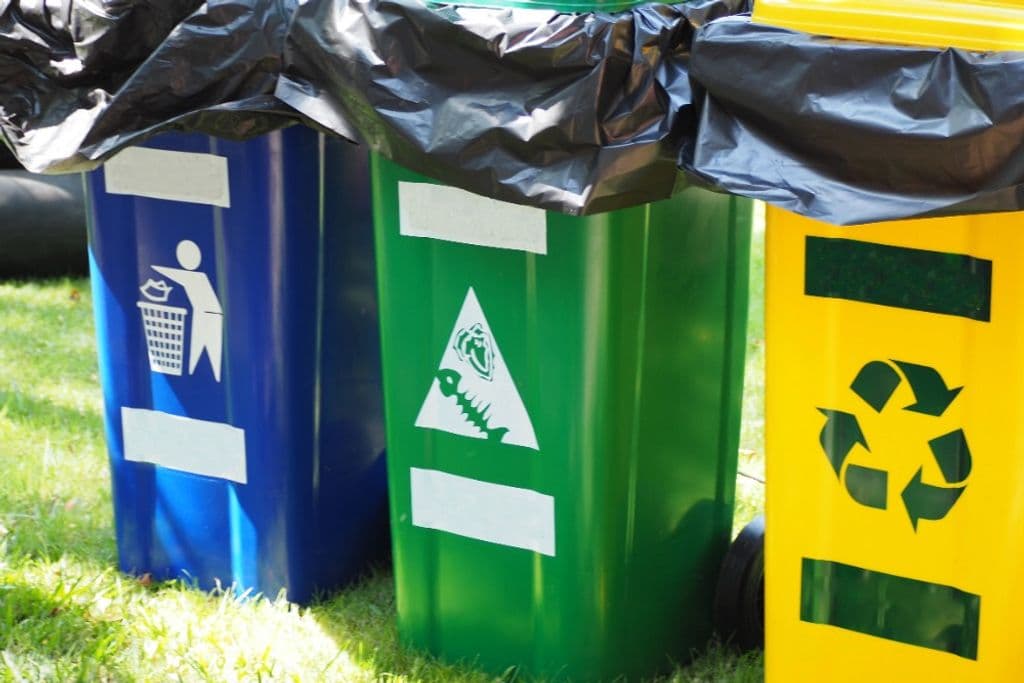
Understanding the types of waste is important for everyone because each category requires different management methods.
By recognizing waste types based on their characteristics, forms, sources, and composition, we can reduce environmental pollution while supporting more sustainable waste management efforts.
Every day, households, offices, industries, and various human activities generate large amounts of waste.
If not managed properly, waste can accumulate in landfills, contaminate soil and water, and produce greenhouse gas emissions that contribute to climate change.
Data from the National Waste Management Information System (SIPSN) shows that Indonesia generated more than 38 million tons of waste in 2023. Indonesia is also considered one of the largest waste-producing countries in the world.
This condition shows that waste management is no longer only the responsibility of the government but also requires active participation from communities and businesses.
To understand how waste should be handled, let’s explore the different types of waste based on several classifications below.
Types of Waste Based on Its Characteristics
First, waste can be classified based on its characteristics as follows.
1. Inorganic Waste
Inorganic waste is a type of waste that is difficult to decompose naturally by microorganisms. Examples include plastic, glass, cans, metals, and various synthetic materials.
Because it can take decades or even hundreds of years to break down, inorganic waste has the potential to cause environmental pollution if not properly managed.
Therefore, recycling is one of the important solutions to reduce the amount of inorganic waste that ends up in landfills.
2. Organic Waste
Organic waste comes from materials that can easily decompose naturally. Examples include food scraps, fruit peels, vegetables, dry leaves, and tree branches.
This type of waste can be reused through composting processes to produce organic fertilizer that benefits agriculture and environmental restoration.
3. Hazardous and Toxic Waste (B3 Waste)
B3 waste contains substances that may endanger human health and the environment. Examples include medical waste, used syringes, used masks, batteries, electronic waste, and certain chemicals.
Due to its high-risk characteristics, B3 waste must be managed through special procedures to prevent environmental contamination and protect public safety.
Read More: Recycle: How Waste Is Turned into Resources, Its Process and Examples
Types of Waste Based on Its Form
Waste can also be categorized based on its physical form, including the following:
1. Liquid Waste
Liquid waste comes from household and industrial activities, such as wastewater from washing, bathrooms, and production processes.
If discharged without proper treatment, liquid waste can contaminate water sources and damage environmental quality. Therefore, adequate wastewater treatment systems are needed before releasing it into the environment.
2. Solid Waste
Solid waste has a clear physical form and is easy to identify. Examples include paper, plastic, metal, glass, textiles, and product packaging.
This type of waste is the most commonly found in daily life and is the main focus of waste reduction, sorting, and recycling programs in Indonesia.
Types of Waste Based on Its Sources
Waste can also be classified based on where it comes from, including:
1. Consumption Waste
Consumption waste comes from daily product use by communities. Examples include food packaging, beverage bottles, plastic bags, and cans.
This type of waste continues to increase along with rising consumer activity, requiring more effective management systems to prevent environmental pollution.
2. Natural Waste
Natural waste comes from natural processes occurring in the environment, such as fallen leaves, broken tree branches, and rotten fruit.
Because it is part of the natural cycle, this type of waste can generally decompose naturally without causing significant environmental impacts.
3. Industrial Waste
Industrial waste is generated from factory production activities and the manufacturing sector. It can include solid and liquid waste, including waste containing hazardous materials.
Due to its large volume and potential environmental impact, industrial waste management must follow strict standards and applicable regulations.
4. Human Waste
Human waste comes from the body’s metabolic processes, such as urine and feces. Proper sanitation management is essential to prevent the spread of diseases caused by bacteria and viruses that may develop from these wastes.
Types of Waste Based on Composition
Finally, based on composition, waste can be classified into the following categories:
1. Paper and Cardboard
Paper and cardboard are among the most commonly generated waste materials. Both are relatively easy to recycle into new products and have significant economic value.
2. Plastic
Plastic is one of the most common types of waste found in Indonesia. Although some plastics can be recycled, others require special technology for further processing.
3. Glass
Glass is a material that can be recycled repeatedly without losing its quality. Recycled glass can be reused for various industrial purposes.
4. Organic Waste
Besides being classified by characteristics, organic waste can also be categorized based on composition. This waste can be processed into compost or alternative energy sources when separated properly from the beginning.
5. Electronic Waste
Electronic waste (e-waste) comes from unused electronic devices such as mobile phones, computers, televisions, and batteries.
Because it contains both hazardous components and valuable materials, electronic waste requires proper collection and recycling systems.
6. Hazardous Waste
Hazardous waste includes various types of waste containing toxic substances or materials that pose high risks to the environment. Handling this waste requires specialized facilities and expertise.
Read More: What Is Inorganic Waste? Definition, Types, and Examples
Managing Types of Waste for a Sustainable Future with TBS
Understanding different types of waste is the first step toward creating a cleaner and more sustainable environment.
By sorting and managing waste properly from the source, communities can help reduce environmental pollution while supporting the development of a circular economy in Indonesia.
Commitment to sustainable waste management is also continuously strengthened by TBS Energi Utama through various strategic initiatives.
In 2023, TBS strengthened its waste management business foundation through the acquisition of Asia Medical Enviro Services (AMES) and ARAH, which specialize in managing medical waste, hazardous and toxic waste (B3 waste), domestic waste, and electronic waste.
All of these activities were later consolidated under PT Solusi Bersih TBS (SBT).
The expansion continued in March 2025 when TBS completed the full acquisition of Sembcorp Environment (SembEnviro).
This leading waste management company in Singapore has expertise in urban waste management, recycling, and environmental solutions. The acquisition strengthened TBS’s capabilities, technology, and service coverage across Southeast Asia.
In September 2025, SembEnviro officially changed its name to CORA Environment, becoming a new identity that unifies all of TBS’s waste management businesses under one integrated regional platform.
Today, through AMES, ARAH, and CORA Environment, TBS continues to implement its TBS2030 roadmap to support sustainability goals, minimize environmental impacts, and create long-term value for communities.
TBS Energi Utama also operates five waste management facilities across Indonesia and Singapore, processes more than 1 million tons of waste throughout 2025, and serves more than 475,000 customers.
This achievement strengthens TBS Energi Utama’s position as one of Southeast Asia’s integrated waste management leaders, playing an important role in transforming waste into valuable resources.