Waste-to-energy (WtE) is becoming an increasingly relevant solution for Indonesia to address waste management challenges while meeting the country's growing energy demands.
This technology can significantly reduce waste volume, generate alternative energy, and support sustainable development goals as well as the transition toward cleaner and more environmentally friendly energy sources.
Indonesia continues to face major waste management challenges. Increasing waste generation, limited landfill capacity, and rising energy demand are driving both the government and industry players to seek more innovative solutions.
One approach that is gaining increasing attention is waste-to-energy technology. But how does it work? Here is a complete explanation.
What Is Waste-to-Energy?
Waste-to-energy (WtE) refers to technologies that convert waste into usable energy, including electricity, heat, alternative fuels, or biogas.
Through various processing methods, waste that was once considered a disposal problem can be transformed into a valuable resource.
In general, waste-to-energy technologies have several primary objectives:
- Reducing the amount of waste sent to landfills.
- Producing alternative energy that can be utilized by communities and industries.
- Supporting more sustainable waste management practices.
Through this concept, waste is no longer viewed solely as a problem but also as a valuable energy resource.
Read More: Why Is Waste Management the Key to Sustainable Business? Here Are the Benefits
Why Is Waste-to-Energy Important for Indonesia?
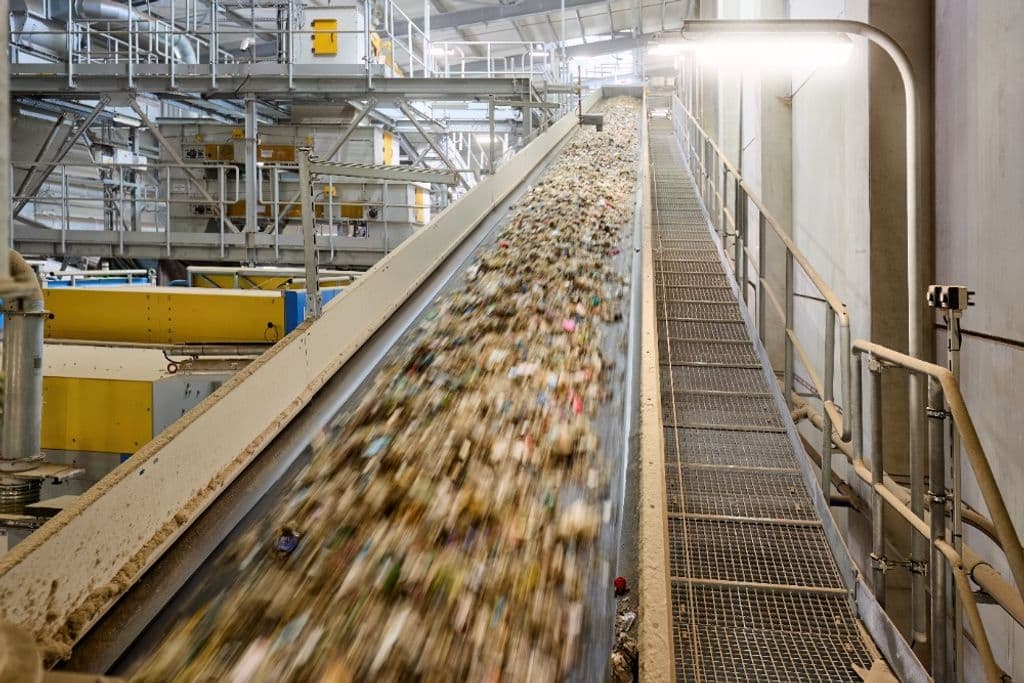
Indonesia faces significant challenges in managing waste. Many landfills are approaching their maximum capacity, while waste generation continues to increase every year.
In addition, waste accumulated in landfills produces methane gas, a greenhouse gas with a much greater global warming impact than carbon dioxide (CO₂).
At the same time, national energy demand continues to rise alongside population growth and industrial development.
Under these circumstances, waste-to-energy offers a solution capable of addressing both challenges simultaneously: waste management and energy generation.
Technologies Used in Waste-to-Energy
There are two main categories of technologies used to convert waste into energy.
1. Thermal Technologies
These technologies use heat to convert waste into energy, including:
- Gasification: Converts carbon-containing materials into synthesis gas (syngas) composed of carbon monoxide, hydrogen, and carbon dioxide without direct combustion.
- Pyrolysis: Processes organic waste or agricultural residues at high temperatures in the absence of oxygen to produce fuels and energy.
- Plasma Arc Gasification: Uses plasma torches to generate syngas, which can then be converted into electricity.
- Depolymerization (Hydrous Pyrolysis): Utilizes thermal decomposition processes to transform organic materials into energy-rich products.
2. Non-Thermal Technologies
In addition to heat-based methods, biological technologies utilize microorganisms to generate energy, including:
- Anaerobic Digestion: Allows microorganisms to break down organic matter without oxygen, producing biogas that can be used as an energy source.
- Fermentation: Uses enzymatic and biological processes to convert organic materials into energy-related products.
Challenges of Waste-to-Energy Development in Indonesia
Several challenges remain in expanding waste-to-energy technologies across Indonesia.
1. Technical Challenges
The characteristics of Indonesian waste differ from those in many developed countries where waste-to-energy technologies have been successfully implemented.
Most municipal waste in Indonesia contains high moisture levels and relatively low calorific value, requiring technologies specifically adapted to local waste characteristics to ensure efficient energy conversion.
In addition, waste-to-energy facilities require a stable waste supply as well as effective collection and sorting systems. Unfortunately, waste management systems in many regions are still underdeveloped.
2. Social Challenges
The construction of waste-to-energy facilities often faces public resistance.
Concerns regarding air pollution, unpleasant odors, and potential health impacts are among the main factors affecting public acceptance.
For this reason, continuous public education about the benefits, technologies, and safety standards of waste-to-energy facilities is essential for building trust and support.
3. Financial Challenges
Developing waste-to-energy facilities requires substantial investment.
In addition to high construction costs, these projects need supportive regulations, incentives, and legal certainty to attract investors.
Strong coordination between central and local governments is also critical for creating a more favorable investment environment.
Major Opportunities for Waste-to-Energy in Indonesia
Despite these challenges, the potential for waste-to-energy development in Indonesia remains significant.
1. Reducing Waste Volume
Waste-to-energy facilities can reduce waste volume by up to approximately 90%, extending landfill lifespans and reducing the need for new disposal sites.
2. Supporting Renewable Energy
Energy generated from waste processing can contribute to Indonesia’s energy mix while helping reduce greenhouse gas emissions.
3. Government Policy Support
The government has included various waste-to-energy projects in its national strategic agenda to accelerate waste management improvements and alternative energy development.
4. Integrated Technology Development
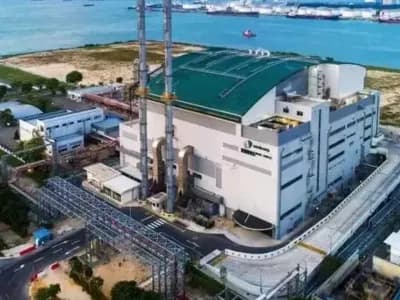
Combining technologies such as Waste-to-Energy Power Plants (PLTSa) and Refuse-Derived Fuel (RDF) systems can improve waste processing efficiency while maximizing energy recovery.
Strategies to Accelerate Waste-to-Energy Development
To fully realize the potential of waste-to-energy, several strategic actions are necessary:
- Strengthening waste collection and sorting systems.
- Developing technologies that match Indonesia’s waste characteristics.
- Increasing regulatory support and investment incentives.
- Encouraging collaboration among government agencies, private companies, academia, and communities.
- Expanding public education programs about energy-based waste management solutions.
Read More: Organic Waste: Definition, Types, Examples, and How to Process It
Building a Sustainable Waste-to-Energy Future with TBS
The development of waste-to-energy solutions requires long-term collaboration, investment, and innovation.
To support this transformation, TBS continues to strengthen its position as one of Southeast Asia’s leading integrated waste management and environmental solutions providers.
In 2023, TBS expanded its waste management business through the acquisition of Asia Medical Enviro Services (AMES) and ARAH, both of which specialize in medical waste, hazardous waste, domestic waste, and electronic waste management.
All of these operations were subsequently consolidated under PT Solusi Bersih TBS (SBT).
This strategy was further strengthened in March 2025 through the full acquisition of Sembcorp Environment (SembEnviro), a leading Singapore-based waste management company with extensive expertise in municipal solid waste, recycling, and environmental solutions.
In September 2025, SembEnviro was officially rebranded as CORA Environment. This new identity unifies all TBS waste management businesses under a more integrated and future-focused platform.
Through AMES, ARAH, and CORA Environment, TBS continues to implement its TBS2030 roadmap to create sustainable waste-to-resource solutions, minimize environmental impacts, and generate long-term value for communities across Southeast Asia.
Today, TBS operates five waste treatment facilities across Indonesia and Singapore, manages more than one million tons of waste annually as of 2025, and serves more than 475,000 customers.
These achievements demonstrate TBS Energy strong commitment to advancing modern waste management practices and developing sustainable waste-to-energy solutions for the future.