A regenerative economy can serve as a new foundation for Indonesia to build economic growth that not only creates value, but also restores the environment and strengthens community well-being.
Amid the pressures of the energy transition, climate change, and the need for more inclusive development, this approach offers opportunities for Indonesia and other Asian countries to build greener, more resilient, and more sustainable economies.
Indonesia is home to extraordinary natural wealth and biodiversity.
However, economic development has also brought challenges such as deforestation, land degradation, pollution, inequality, and dependence on finite resources.
For this reason, a new perspective is needed—one that does not treat environmental protection and economic growth as opposing goals.
What Is a Regenerative Economy?
A regenerative economy is a development approach that goes beyond reducing environmental damage. It also seeks to restore and improve the quality of ecosystems, natural resources, and communities.
Regenerative Economy vs. Linear Economy
This concept differs from the traditional linear economic model, which generally follows the principle of take, make, waste—extracting resources, turning them into products, and disposing of them after use.
A regenerative economy, by contrast, encourages a more circular system.
Resources are used more efficiently, products are designed to last longer and be reused, while economic activities are directed toward creating positive impacts for both the environment and society.
Key Principles of a Regenerative Economy
Several key principles form the basis of this approach, including systems thinking, circularity, equity and inclusivity, and restorative practices.
These principles mean that economic decisions should consider the long-term relationship between the environment, communities, and business activities.
Read Also: The Potential of Hydrogen Energy for Indonesia’s Clean Energy Future
Why Is a Regenerative Economy Important for Indonesia?
Indonesia is strategically positioned to adopt a regenerative economy. As one of the world’s most biodiverse countries, its natural wealth is an extremely valuable economic asset.
However, this natural capital is also under significant pressure. Deforestation and forest degradation can lead to biodiversity loss, declining water quality, higher emissions, and greater exposure to the impacts of climate change.
1. Restoring the Environment While Driving Economic Growth
Economic development therefore needs to be directed toward both protecting and restoring natural resources.
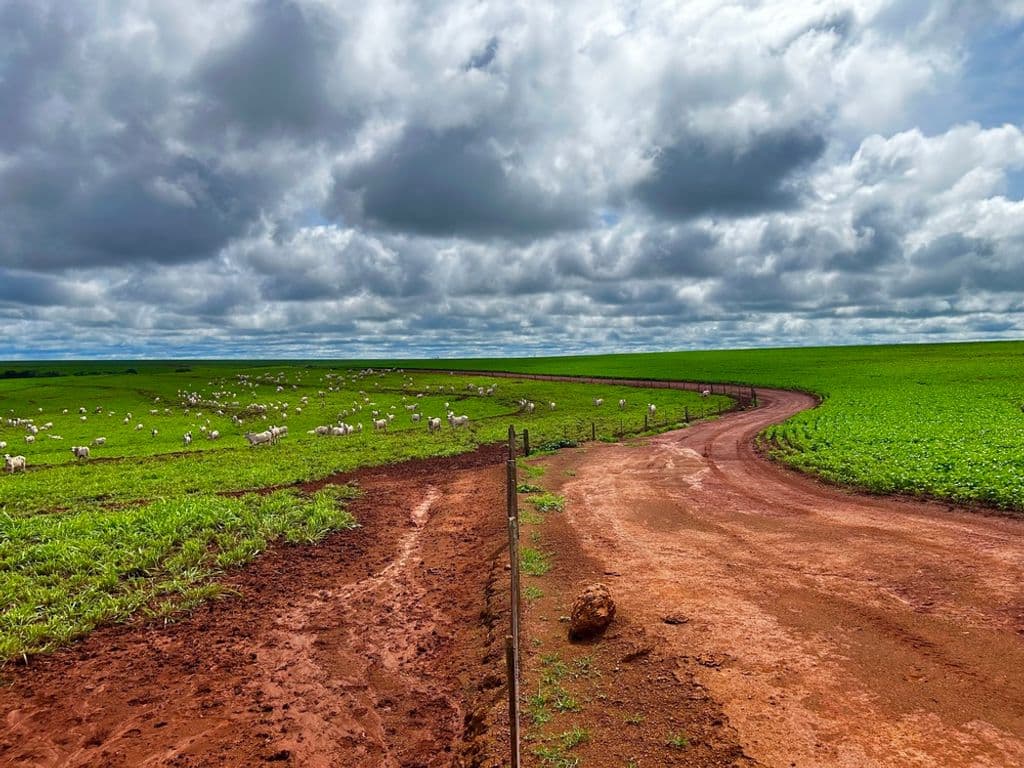
One approach that can be applied is agroforestry, an agricultural system that combines food crops with trees.
In addition to helping restore ecological functions, agroforestry can provide farmers with more diverse sources of income. It also has the potential to increase biodiversity and carbon sequestration.
2. Strengthening Local Economies
A similar approach can be applied through community-based ecotourism.
Local communities are not only beneficiaries, but are also involved in managing natural areas and gaining economic value from environmental conservation.
In this way, economic activity can develop alongside ecosystem protection and improved community welfare.
Green Economy Opportunities in Asia
The transition toward a green economy is not only an Indonesian agenda. ASEAN countries also have significant opportunities to develop new sectors that can support economic growth while protecting the environment.
Southeast Asia’s green economy is estimated to have the potential to generate up to US$1 trillion in annual economic value by 2030 through the creation of new markets, greater efficiency, and cost savings.
What Are the Opportunities for Indonesia and ASEAN Countries?
These opportunities span a wide range of sectors, including renewable energy, sustainable agriculture, green manufacturing, electric vehicles, and the circular economy.
Indonesia, together with the Philippines, Thailand, and Vietnam, has the opportunity to develop its industrial sectors more sustainably.
This can be achieved through investment in clean energy, low-emission transportation, and more resource-efficient manufacturing.
Regional cooperation will also be crucial. Harmonized standards, cross-border project development, and workforce upskilling can help ASEAN countries reduce costs and accelerate the adoption of green technologies.
Strategic Sectors for a Regenerative Economy
To advance a regenerative economy, Indonesia needs to strengthen strategic sectors that can generate economic growth while also restoring the environment.
These sectors not only help reduce emissions and resource consumption, but also create investment opportunities, generate green jobs, and improve community well-being.
1. Renewable Energy
Renewable energy is one of the most promising sectors.
Southeast Asia has significant potential in solar, wind, hydropower, and geothermal energy.
Developing these energy sources can help meet rising electricity demand while reducing emissions.
2. Electric Vehicles and Green Infrastructure
The electric vehicle sector also offers significant opportunities.
With a strong automotive industry base and a growing urban market, ASEAN has the potential to become an important hub for both electric vehicle production and adoption.
In addition, green infrastructure development, grid modernization, and energy storage will be essential to support this transition.
3. Agriculture and the Circular Economy
Regenerative agriculture, waste management, recycling, green buildings, and ecotourism can also become new sources of growth.
For the private sector, investment opportunities are broad, ranging from agricultural technology and waste management to battery supply chains, electric vehicle charging infrastructure, and more resource-efficient manufacturing.
Read Also: Future Cities Without Emissions and the Role of Renewable Energy in Reducing Them
TBS’s Role in Advancing the Regenerative Energy Transition
The transformation toward a green economy requires active participation from the business sector. One concrete example can be seen in TBS and its efforts to expand its portfolio into renewable energy.
In 2020, through its subsidiary PT Toba Bara Energi (TBAE), TBS acquired PT Adimitra Energi Hidro (AEH), the developer of a 2 x 3 MW mini-hydropower plant in Lampung.
TBS also acquired PT Bayu Alam Sejahtera (BAS), which at the time was exploring wind power potential in East Nusa Tenggara.
The AEH project reached its Commercial Operation Date (COD) on January 22, 2025, and now contributes 6 MW of clean energy to the Southern Sumatra region.
Hydropower also provides a relatively stable energy supply, allowing it to complement other renewable energy sources such as solar and wind power.
In addition to the mini-hydropower project in Lampung, TBS is also developing the Tembesi Floating Solar Power Plant in Batam.
The project reached financial close in 2024 and is targeted to become fully operational and connected to the national electricity grid in 2026.
The Tembesi Floating Solar Power Plant has a capacity of 46 MWp and is currently under construction.
The project is expected to deliver benefits including lower carbon emissions, improved air quality, green job creation, and greater technology transfer and collaboration with local communities.
These two projects demonstrate how investment in clean energy can become part of a broader economic transformation.
Renewable energy is not only about reducing emissions, but also about creating jobs, advancing technology, and supporting regional economic growth.
A regenerative economy shows that economic growth and environmental sustainability do not have to move in opposite directions.
By developing renewable energy, the circular economy, sustainable agriculture, and businesses that actively involve local communities, Indonesia can build a more resilient economic foundation while preserving natural resources for future generations.
Through continued innovation and sustainable investment, TBS continues to contribute to building a greener energy future while creating new opportunities for economic growth in Indonesia.