Renewable energy sources are forms of energy that come from nature and can be naturally replenished, making them an important solution to reducing carbon emissions, protecting the environment, and supporting future energy security.
By utilizing renewable energy sources, Indonesia has a great opportunity to accelerate the transition toward a cleaner and more sustainable energy system.
For years, most of the world’s energy needs have been supplied by fossil fuels such as oil, coal, and natural gas.
However, these resources are limited and produce greenhouse gas emissions that contribute to climate change.
Therefore, the use of renewable energy has become an important step in reducing dependence on fossil fuels while creating a healthier environment.
What Are Renewable Energy Sources?
Renewable energy sources are energy sources derived from natural processes that continuously occur and can be replenished naturally within a relatively short period.
Unlike fossil fuels, which are limited in quantity, renewable energy can be utilized sustainably without the risk of resource depletion.
Besides being more environmentally friendly, renewable energy also plays an important role in achieving carbon reduction targets and supporting sustainable development.
With technological advancements, renewable energy utilization has become increasingly efficient and can be applied across various sectors of life.
Read More: Opportunities and Challenges of Renewable Energy in Indonesia: Potential, Barriers, and Solutions
Types of Renewable Energy Sources
Each type of renewable energy has its own characteristics, advantages, and challenges. Therefore, its development needs to be adjusted to the geographical conditions and resources available in each region.
1. Solar Energy
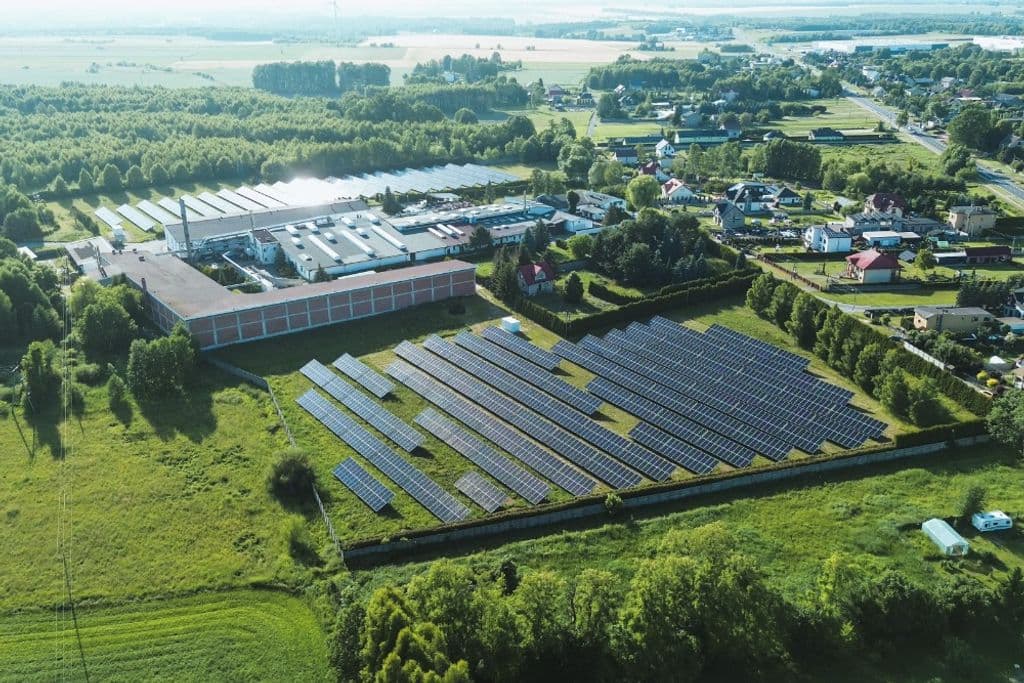
Solar energy utilizes sunlight to generate electricity through solar panels. Indonesia has significant solar energy potential because it is located in a tropical region with high solar intensity throughout the year.
However, solar energy production can be affected by weather conditions, seasons, and usage periods. Therefore, solar energy is often combined with other renewable energy sources to maintain electricity supply stability.
2. Wind Energy
Wind energy is generated through turbines that convert the kinetic energy of wind into electricity.
Several regions in Indonesia, such as South Sulawesi, East Nusa Tenggara, and the southern coast of Java, have significant potential for wind power development.
Wind energy does not produce emissions during operation, making it one of the clean energy alternatives that continues to grow in many countries.
3. Hydropower Energy
Hydropower is one of the most widely used renewable energy sources in the world. This energy utilizes flowing or falling water to drive turbines that generate electricity.
One of the advantages of hydropower is its relatively stable and reliable electricity supply. In addition, operational costs for hydropower plants tend to be lower after the main infrastructure has been completed.
4. Tidal Energy
Tidal energy utilizes the movement of seawater caused by tides to generate electricity. As an archipelagic country with a long coastline, Indonesia has opportunities to develop this technology in the future.
Although still in the development stage, tidal energy is considered to have significant potential because tidal patterns can be predicted accurately.
5. Geothermal Energy
Indonesia is one of the countries with the largest geothermal potential in the world due to its location along the Ring of Fire.
Geothermal energy utilizes natural heat from within the Earth to generate electricity and support other heating needs. Besides being environmentally friendly, geothermal energy can produce stable electricity continuously.
6. Biomass Energy
Biomass comes from organic materials such as agricultural waste, industrial waste, organic waste, and plantation residues. Through certain technologies, biomass can be processed into solid, liquid, or gas fuels to produce energy.
The utilization of biomass not only produces energy but also helps reduce the amount of waste that could potentially pollute the environment.
Benefits of Renewable Energy Sources for People and the Environment
The use of renewable energy sources provides various benefits not only for the environment but also for society and the economy.
1. Reducing the Impact of Climate Change
One of the main benefits of renewable energy is reducing carbon emissions and greenhouse gases.
Unlike burning coal or oil, most renewable energy sources produce significantly lower emissions, helping slow down global warming.
2. Providing Sustainable Energy Sources
Because renewable energy comes from continuously available natural resources, it can be used in the long term without concerns about resource scarcity. This is important to fulfill the energy needs of both current and future generations.
3. Improving Energy Independence
The development of renewable energy helps reduce dependence on imported fossil fuels. By utilizing domestic energy potential, Indonesia can strengthen national energy security and independence.
4. Improving Public Health
Reducing the use of fossil fuels can lower air pollution levels, which are often linked to respiratory diseases. A cleaner environment also supports a better quality of life for communities.
5. Encouraging Economic Growth
The development of the renewable energy sector creates many new job opportunities, from research, construction, and installation to the operation and maintenance of energy facilities.
In addition, investment in the green energy sector can encourage sustainable economic growth.
Read More: Biogas is a Form of Renewable Energy, Here’s How It Works and Its Benefits
TBS’s Role in Supporting Renewable Energy Development in Indonesia
The transition toward clean energy requires collaboration among various stakeholders, including the private sector.
As one of the companies actively supporting sustainable energy development, TBS Energi Utama continues to expand its renewable energy portfolio through various strategic projects in Indonesia.
In 2020, through its subsidiary PT Toba Bara Energi (TBAE), TBS strengthened its renewable energy portfolio by acquiring PT Adimitra Energi Hidro (AEH), a developer of a Mini Hydropower Plant (MHPP) with a capacity of 2 x 3 MW in Lampung.
In addition, TBS also acquired PT Bayu Alam Sejahtera (BAS), which explores wind energy opportunities in East Nusa Tenggara.
An important achievement was reached when the AEH project achieved Commercial Operation Date (COD) on January 22, 2025. The power plant now contributes 6 MW of clean energy for the Southern Sumatra region.
Besides providing stable and sustainable electricity, the project also benefits communities through infrastructure development, improved electricity access, and environmental conservation efforts.
TBS Energy is also developing the Floating Solar PV Power Plant project in Tembesi, Batam. The project reached financial closing in 2024 and is targeted to begin commercial operations and integrate with the national electricity grid in 2026.
In addition, in Batam, TBS is currently developing a 46 MWp floating solar power plant.
These projects are expected to help reduce carbon emissions, improve air quality, create green jobs, and encourage technology transfer that supports sustainable development in Indonesia.
Through the development of the operational 6 MW mini hydropower plant in Lampung and the 46 MWp Floating Solar PV project in Batam, TBS Energi Utama demonstrates its commitment to supporting Indonesia’s clean energy future.