The electric vehicle battery ecosystem covers the entire process, from raw material supply and production to battery use and recycling.
Developing an integrated ecosystem is an important step in strengthening the electric vehicle industry while also supporting sustainable mobility in Indonesia.
As a country with abundant nickel reserves, Indonesia has significant potential to build a battery industry from upstream to downstream. This effort can also increase the added value of domestic mineral resources.
So, how does the electric vehicle battery ecosystem work, and how far has it developed in Indonesia? Here is the explanation.
What Is the Electric Vehicle Battery Ecosystem?
The electric vehicle battery ecosystem is a series of interconnected activities, ranging from mineral extraction and raw material processing to battery manufacturing and use in electric vehicles.
The ecosystem also includes charging infrastructure, battery swapping, reuse, and recycling of batteries that are no longer operating optimally.
From an economic perspective, the development of this industry has the potential to create jobs, increase exports, and support the growth of related industries in Indonesia.
Read Also: Understanding Battery Management Systems for Electric Vehicle Safety
How Does the Electric Vehicle Battery Ecosystem Work?
In general, the electric vehicle battery ecosystem operates through several interconnected stages.
1. Raw Material Supply
The process begins with the extraction of minerals such as nickel, cobalt, manganese, and lithium.
Indonesia has significant nickel resources, including in North Maluku and Sulawesi.
2. Mineral Processing
The extracted minerals are then refined into materials that meet the requirements of the battery industry.
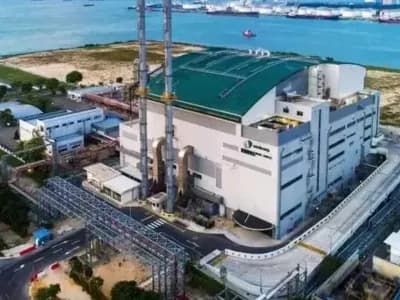
This stage takes place in processing facilities or smelters.
3. Battery Production
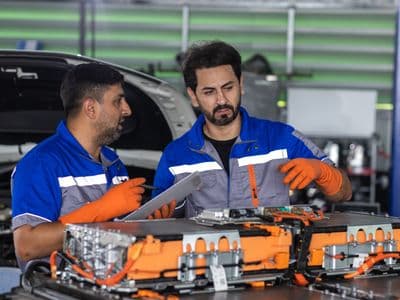
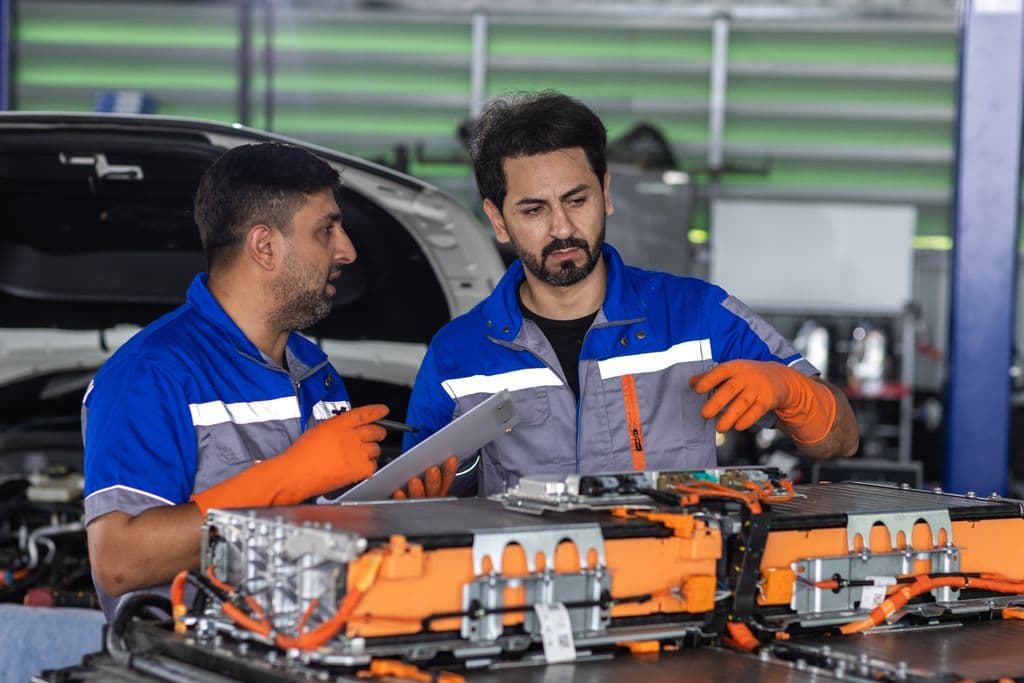
Processed materials are used to manufacture battery cells, which are then assembled into battery packs ready to be installed in electric vehicles.
4. Use and Supporting Infrastructure
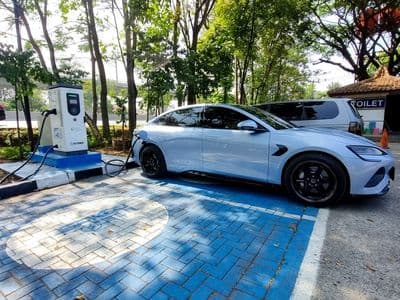
Once installed in vehicles, batteries require charging through charging stations or replacement through battery swapping facilities.
5. Reuse and Recycling
Batteries that experience performance degradation may still be repurposed for other applications if they remain suitable.
Meanwhile, batteries that can no longer be used are processed to recover valuable materials.
From Raw Materials to Electric Vehicle Batteries
Although nickel ore is useful for battery production, it cannot be used directly after mining.
The mineral must first undergo processing and refining until it meets industrial standards.
This process is closely related to Indonesia’s downstreaming policy, which aims to increase the domestic added value of mineral resources.
Through restrictions on raw nickel ore exports and the development of processing facilities, Indonesia is seeking to expand industrial activities from mining into material processing and finished battery production.
As a result, the economic benefits are expected to come not only from selling raw materials, but also from manufacturing and supporting industries.
The Role of Charging and Battery Swapping
Charging and battery swapping infrastructure plays an important role in supporting the daily use of electric vehicles.
Both provide several benefits for users and industry development, including:
- Reducing range anxiety. Users can more easily access charging or battery swapping facilities.
- Speeding up battery replacement. For electric motorcycles in particular, battery swapping allows users to exchange batteries without waiting for them to recharge.
- Supporting vehicle affordability. Battery leasing schemes can help reduce the upfront purchase price of electric vehicles.
- Monitoring battery condition. Swapping operators can monitor battery performance and remove units that no longer meet operational standards.
What Happens When a Battery Is No Longer Performing Optimally?
A decline in battery capacity does not always mean the battery needs to be discarded immediately.
There are two main management options depending on the battery’s condition.
1. Reuse or Second Life
Batteries that remain suitable can be reused as energy storage systems for solar panels, backup power for buildings, or electric vehicle charging facilities.
2. Battery Recycling
If a battery can no longer be reused, it can be processed to recover materials such as nickel, lithium, and cobalt.
Both approaches help reduce hazardous waste while also lowering the need for newly mined raw materials.
Why Does the Battery Ecosystem Need to Be Integrated?
Connecting the entire process from production to end-of-life battery management provides several important benefits:
- Improving industrial efficiency. An integrated supply chain can help reduce logistics costs and streamline battery production.
- Securing raw material availability. Integration makes it easier for manufacturers to access material supplies that match production needs.
- Supporting sustainability standards. Raw material traceability helps the industry monitor environmental impacts throughout the production process.
- Strengthening the circular economy. Used batteries can be collected, reused, or recycled so that their materials can re-enter the production chain.
Development of the Electric Vehicle Battery Ecosystem in Indonesia
On June 29, 2025, President Prabowo Subianto inaugurated the start of construction for the ANTAM–IBC–CBL consortium’s integrated battery ecosystem project in Karawang and East Halmahera.
The project is designed with an initial production capacity of 6.9 GWh, which is targeted to increase to 15 GWh, equivalent to the battery requirements of approximately 250,000–300,000 electric cars.
Its development covers nickel mining, mineral processing facilities, cathode material production, battery cell manufacturing, and recycling facilities.
With planned investment of nearly US$6 billion, the project is projected to create around 35,000 direct and indirect jobs.
Challenges in Developing the Battery Ecosystem
Despite its significant potential, the development of Indonesia’s battery industry still faces several challenges:
- High investment requirements. Mineral processing and battery manufacturing facilities require substantial capital, technology, and skilled workers.
- Uneven infrastructure availability. Charging and swapping networks still need to be expanded, particularly outside major cities.
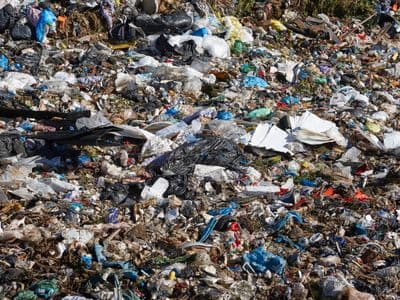
- Used battery management. Indonesia needs adequate collection systems and recycling facilities to prevent used batteries from becoming an environmental problem.
- Standardization and market acceptance. Differences in battery specifications between manufacturers, along with consumer concerns about price and driving range, remain challenges.
Read Also: Electric Motorcycle Battery Waste: Environmental Impacts and Recycling Solutions
Toward a More Sustainable Battery Ecosystem with TBS
The development of an electric vehicle battery ecosystem needs to apply circular economy principles so that used batteries can be reused or recycled.
To support Indonesia’s electric mobility sector, TBS and GoTo Group established Electrum through PT Energi Kreasi Bersama in 2021.
The company was created to develop an ecosystem covering electric vehicles, battery technology, charging and swapping infrastructure, and financing.
In February 2022, President Joko Widodo launched a collaboration involving Electrum, Pertamina, Gogoro, and Gesits.
Electrum also supported the G20 Summit and B20 Forum in Bali by providing 50 electric motorcycles, 11 shelters, and 150 Gojek driver partners.
In October 2024, Electrum introduced the H3i electric motorcycle at IMOS.
Then, in December 2024, Electrum secured US$15 million in financing from the Asian Development Bank, the Australian Climate Finance Partnership, and Bank DBS Indonesia to expand its fleet and battery swapping network.
Development continued with the launch of the H1 electric motorcycle in 2025, alongside several operational achievements:
- More than 15,000 electric motorcycles in operation in 2025.
- More than 500 battery swapping station locations.
- More than 19,000 battery swaps every day.
- More than 3,200 tonnes of CO₂ emissions avoided.
Through Electrum, TBS continues to strengthen Indonesia’s electric vehicle ecosystem by delivering more efficient and sustainable mobility solutions.