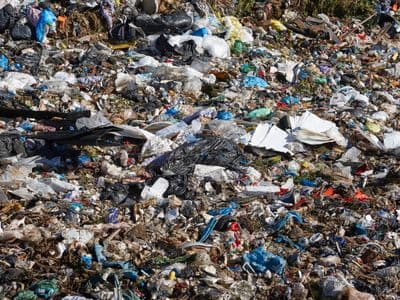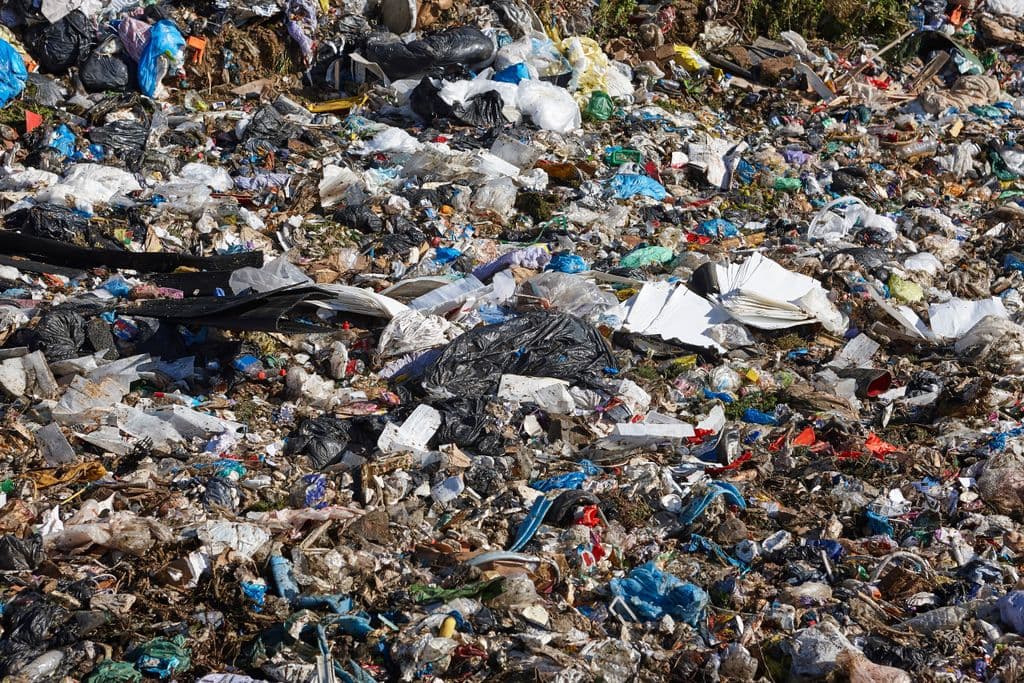
Open dumping is a waste disposal method that can cause environmental pollution, fires, and even landslides due to unmanaged waste accumulation.
To reduce these risks, safer waste management systems are needed, starting from waste separation at the source to the implementation of modern waste treatment technologies.
Although it has been prohibited, open dumping remains a challenge in Indonesia. According to data from the Ministry of Environment (KLH) in 2026, around 66% of final waste processing sites in Indonesia still use this method.
This situation highlights the importance of improving waste management systems to protect both the environment and surrounding communities. So, what are the main risks of open dumping, and how can they be addressed?
What Is Open Dumping?
Open dumping is a waste disposal method in which waste is piled in open areas without adequate treatment or environmental protection systems.
In this system, waste is generally left to accumulate without bottom liners, leachate treatment, or controls for gases produced during decomposition. As a result, pollutants can spread into the soil, water, and air.
This method differs from a controlled landfill, which involves compacting waste and covering it with soil at regular intervals, for example every seven days.
Meanwhile, a sanitary landfill uses a more comprehensive management system, including leachate control, gas management, and planned waste covering.
In Indonesia, the elimination of open dumping practices has been regulated under Law No. 18 of 2008 on Waste Management. However, limitations in funding and infrastructure mean that implementation remains uneven.
Read Also: What Is Solid Waste? Definition, Types, and How to Manage It
The Dangers of Open Dumping
Waste disposal without proper management can lead to a range of serious problems.
Its impacts not only damage the environment but can also threaten the safety and health of communities living near disposal sites.
Here are several key risks to be aware of.
1. Increasing the Risk of Landfill Fires
Decomposing organic waste produces methane, a highly flammable gas that can accumulate inside waste piles.
In addition, microbial activity and material oxidation can increase temperatures within the waste mass.
The combination of heat, combustible gas, and oxygen can potentially trigger fires.
One example occurred at the Jatiwaringin landfill, which experienced a fire lasting 11 days, from June 30 to July 10, 2026.
A similar incident occurred at the Deonar dumping site in Mumbai, India, in 2016. The four-day fire caused severe air pollution and forced dozens of schools to close.
2. Causing Water and Soil Pollution
Another danger of open dumping is pollution caused by leachate, a liquid formed when water passes through accumulated waste and carries various contaminants.
Without proper collection and treatment systems, leachate can seep into the soil and contaminate surrounding water sources.
This can reduce groundwater quality and disrupt ecosystem balance.
3. Triggering Waste Landslides
Uncontrolled waste accumulation can form large, unstable piles.
When exposed to heavy rainfall or ground movement, these waste masses may collapse and cause landslides.
One example is the 2005 Leuwigajah landfill disaster, which killed more than 150 people.
A similar event occurred in Meethotamulla, Sri Lanka, in 2017, resulting in 32 fatalities.
Both incidents demonstrate the importance of managing the height, stability, and overall condition of waste piles.
4. Threatening Public Health
Open waste piles can become breeding grounds for flies, rats, mosquitoes, and cockroaches that may spread disease.
Waste decomposition can also release strong-smelling gases such as ammonia and hydrogen sulfide.
Smoke from landfill fires can contain pollutants that cause eye irritation, respiratory problems, and worsen health conditions among nearby communities.
5. Worsening Climate Change
Organic waste that decomposes without oxygen produces methane, a greenhouse gas that contributes to global warming.
If it is not captured and managed, methane is released directly into the atmosphere.
Reducing the amount of organic waste sent to landfills is therefore important not only for lowering emissions but also for reducing fire risks.
How Can the Risks of Open Dumping Be Addressed?
Ending open dumping requires cooperation between governments, businesses, and communities.
Several measures can be implemented.
1. Separate Waste at the Source
Waste separation can begin by separating organic waste, recyclable materials, and residual waste.
Organic waste can be processed into compost or biogas, while plastic, paper, and metals can be sent to recycling facilities.
This helps reduce the amount of waste ultimately sent to disposal sites.
2. Transition to Sanitary Landfill Systems
Local governments need to upgrade waste disposal facilities by implementing sanitary landfill systems equipped with pollution control infrastructure.
One example of more advanced waste management is the Benowo landfill in Surabaya, which utilizes gas generated from waste to produce electricity.
3. Strengthen Monitoring and Public Education
Enforcement is needed to prevent illegal dumping practices.
These measures should also be supported by public education on waste reduction and source separation.
In addition, increasing waste management budgets is important so that local governments can provide adequate infrastructure.
4. Develop Waste Treatment Technologies
Waste-to-energy technologies allow certain types of waste to be converted into energy through thermal or biological processes.
However, implementation should be supported by proper waste separation and emissions controls to avoid creating new environmental problems.
Read Also: Food Waste Management for a Sustainable Environment: Compost or Biogas?
Supporting Sustainable Waste Management with TBS
The risks associated with open dumping highlight the importance of integrated waste management, from collection and treatment to the recovery of materials that still have value.
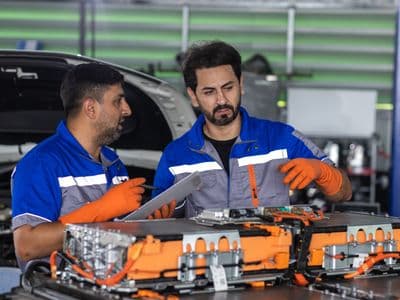
As part of its sustainability commitment, TBS has developed its waste management business in Indonesia and Singapore through PT Solusi Bersih TBS (SBT), beginning in 2023 with the acquisition of Asia Medical Enviro Services (AMES) and ARAH Environmental Indonesia.
AMES has more than 20 years of experience in medical waste management in Singapore, with a treatment capacity of more than 5,000 tonnes per year.
Meanwhile, ARAH Environmental Indonesia operates across 16 provinces, supported by more than 5,000 collection points and an incineration capacity of more than 10,000 tonnes per year.
In March 2025, TBS completed the full acquisition of Sembcorp Environment (SembEnviro).
The company was later renamed Cora Environmental in September 2025.
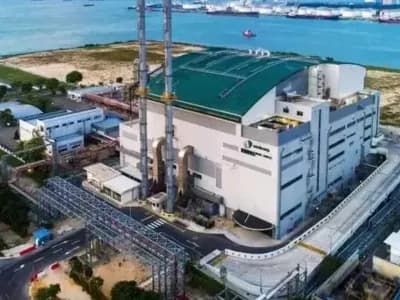
Cora Environmental itself has an operational capacity of more than 900,000 tonnes of waste per year in Singapore.
Through the integration of these three companies, TBS recorded several achievements in 2025:
- Operating five waste management facilities in Indonesia and Singapore.
- Processing more than 970,000 tonnes of waste.
- Serving more than 475,000 active customers.
Through the TBS2030 roadmap, TBS continues to strengthen its waste-to-resource solutions to support the circular economy and reduce environmental impacts.
Supporting safer and more sustainable waste management is an important step toward creating a cleaner environment for future generations.