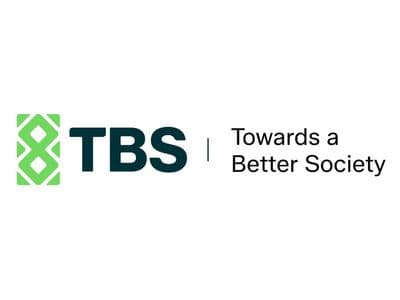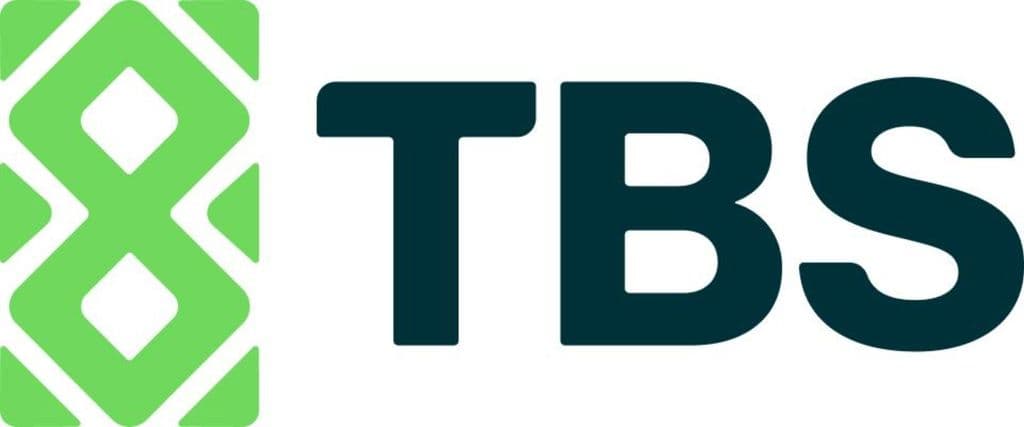
The philosophy behind the new TBS logo reflects the Company’s transformation toward a more sustainable business, built on the values of trust, innovation, and responsibility.
Through the “this.is.tbs” identity, TBS is strengthening its long-term growth direction toward its 2030 carbon neutrality vision, with a focus on renewable energy, waste management, and the electric vehicle ecosystem.
Changing a company’s identity is not simply about updating its visual appearance. A logo can serve as a way for a company to communicate who it is, what values it believes in, and where it intends to go.
This is reflected in the launch of TBS’s new identity in 2025, which marked an important step in the Company’s business transformation journey.
TBS Logo Philosophy Reflecting Transformation
The TBS logo was designed to represent the Company’s journey from a conventional energy business toward a more sustainability-oriented business.
Behind its form lies a philosophy that connects the Company’s business legacy with its future vision. Overall, the logo represents three main values: trust, innovation, and responsibility.
These values are an important part of the journey to build a business that is not only focused on growth, but also creates positive impacts for communities and the environment.
Consistent use of the logo also helps build a recognizable identity across various touchpoints, whether for customers, business partners, investors, or the wider public.
The Meaning of the Number “8” in the TBS Logo
One of the most prominent elements of the logo is its shape, which resembles the number “8.”
This shape represents the concept of infinity, symbolizing something without end. Its meaning is associated with balance, continuity, and prosperity.
This philosophy aligns with TBS's goal of continuing to grow in harmony with communities and the environment.
The logo’s form is also inspired by traditional woven textiles from eastern Indonesia, including Toraja and Flores. Textiles from these regions are known for their distinctive geometric patterns, as well as their strong cultural values and meanings.
This inspiration serves as a way to connect the Company’s identity with Indonesia’s cultural heritage. At the same time, the simple geometric design allows the logo to remain modern and relevant to the Company’s business transformation.
Typography That Strengthens the Identity
The philosophy of the logo is reflected not only in the symbol, but also in the typeface used. TBS’s custom typography was designed to follow the curved characteristics of the logo symbol.
The soft curves create a more inclusive, human, and approachable impression. The consistency between the symbol and typography also makes the visual identity feel more cohesive and unified.
“this.is.tbs,” TBS New Identity in 2025
Alongside the new logo, TBS introduced the digital identity “this.is.tbs” in 2025. This identity forms part of the Company’s strategic transformation in defining its business model, capital allocation priorities, and long-term growth direction.
The transformation is reinforced through the tagline “For Good and For Growth.” This message represents the effort to pursue business growth while also creating better outcomes for the environment and society.
This direction is also closely linked to the Company’s vision of achieving carbon neutrality by 2030. As a result, the new identity does not stand alone, but represents broader changes taking place across its business portfolio.
From Conventional Energy to Renewable Energy
TBS's changing direction can be seen in the development of the Company’s business portfolio.
After completing the divestment of two coal-fired power plant assets, MCL and GLP, in 2025, TBS further strengthened its focus on business sectors that support the energy transition and sustainability.
One of these is the 6 MW Sumber Jaya Mini-Hydropower Plant in Lampung, which has been operating commercially since January 2025.
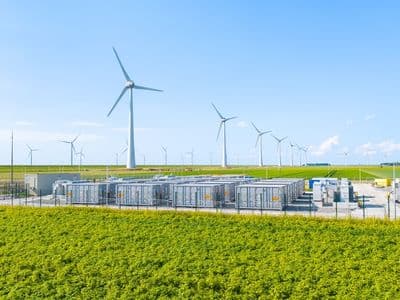
TBS is also developing the Batam Floating Solar Power Plant with a capacity of 46 MWp together with PLN Nusantara Power. The project reached financial closing in March 2025 and is currently under construction.
In addition, TBS has a development pipeline that includes solar power projects in industrial areas and a 22 MW wind power project in East Nusa Tenggara, which is still in the technical planning stage.
The development of solar, wind, and mini-hydropower projects demonstrates how the Company is expanding its business direction to support Indonesia’s growing demand for cleaner energy.
Expanding Impact Through Waste Management
This transformation also includes the waste management sector through Cora Environment, the entity formed through the rebranding of Singapore-based Sembcorp Environment Pte. Ltd.
Cora Environment currently manages services for more than 470,000 customers across the medical, industrial, and commercial sectors.
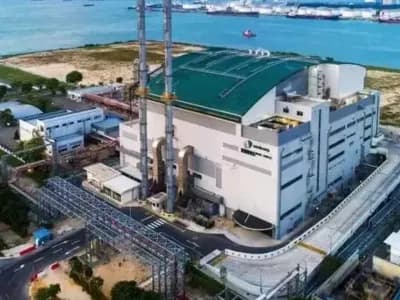
In Singapore, Asia Medical Enviro Services is one of the leading players in medical waste management, with an estimated market share of around 45% and an incineration capacity of up to 14 tons per day.
Meanwhile, in Indonesia, Arah Environmental operates more than 50 facilities across 15 provinces. These facilities have a processing capacity of up to 50 tons per day and serve more than 5,000 customers.
Overall, TBS waste management businesses in Indonesia and Singapore collect and process more than one million tons of waste every year, including medical, industrial, domestic, hazardous, and electronic waste.
This has become increasingly relevant for Indonesia, as population growth and economic activity continue to increase the need for safe and responsible waste management systems.
Supporting the Electric Vehicle Ecosystem
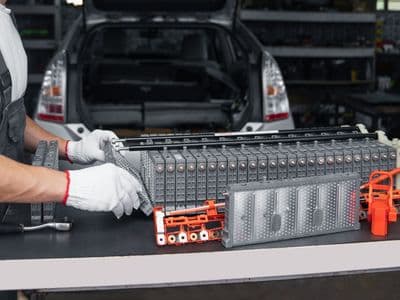
Another important pillar is electric mobility through Electrum, a joint venture between TBS and GoTo Group focused on developing a battery-based electric vehicle ecosystem.
Electrum currently operates more than 7,500 electric motorcycles and approximately 364 Battery Swapping Stations, or BSS, across the Greater Jakarta area.
These operations generate an average of more than 1.1 million battery swap transactions per month, with monthly travel distances reaching approximately 16 million kilometers.
Electrum also provides the Electrum H3/H3i and H5 models, with a driving range of approximately 65–90 kilometers per charge, supported by IoT technology to help optimize fleet usage.
These developments demonstrate TBS contribution to supporting electric vehicle adoption, particularly in Indonesia’s urban areas, where more efficient mobility solutions are increasingly needed.
The Business Legacy Behind TBS Journey
The Company’s transformation toward a sustainable business does not erase its historical business journey. Previously, the Company had a strong business foundation in coal mining, palm oil processing, and coal-fired power generation.
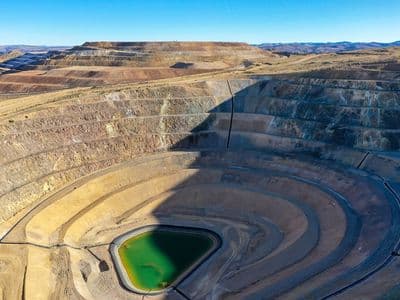
In the coal sector, TBS holds approximately 14 million tons of reserves, with annual production of around 3–4 million tons from three subsidiaries in East Kalimantan.
TBS previously operated coal-fired power generation assets with a total capacity of approximately 200 MW, including the Sulbagut-1 and Sulut-3 power plants, which supplied electricity to the PLN grid.
The Company fully divested its ownership of these coal-fired power assets in 2025, illustrating how the business continues to evolve in response to changing energy needs and sustainability demands.
TBS Logo Philosophy for “For Good and For Growth”
The philosophy behind the new TBS logo is not merely about the number 8 or its inspiration from eastern Indonesian woven textiles.
The logo serves as a symbol of the Company’s journey to balance business growth with sustainability, innovation, responsibility, and contributions to communities and the environment.
Through “this.is.tbs” and the spirit of “For Good and For Growth,” TBS Energi Utama is strengthening its progress toward becoming a more sustainable business.
From renewable energy and waste management to electric vehicles, these projects and achievements form part of the Company’s journey toward its 2030 carbon neutrality vision.
For Indonesia, this transformation is important because the demand for energy, waste management, and low-emission mobility will continue to grow.
Through these various initiatives, TBS seeks to make business growth part of the solution for a better future.