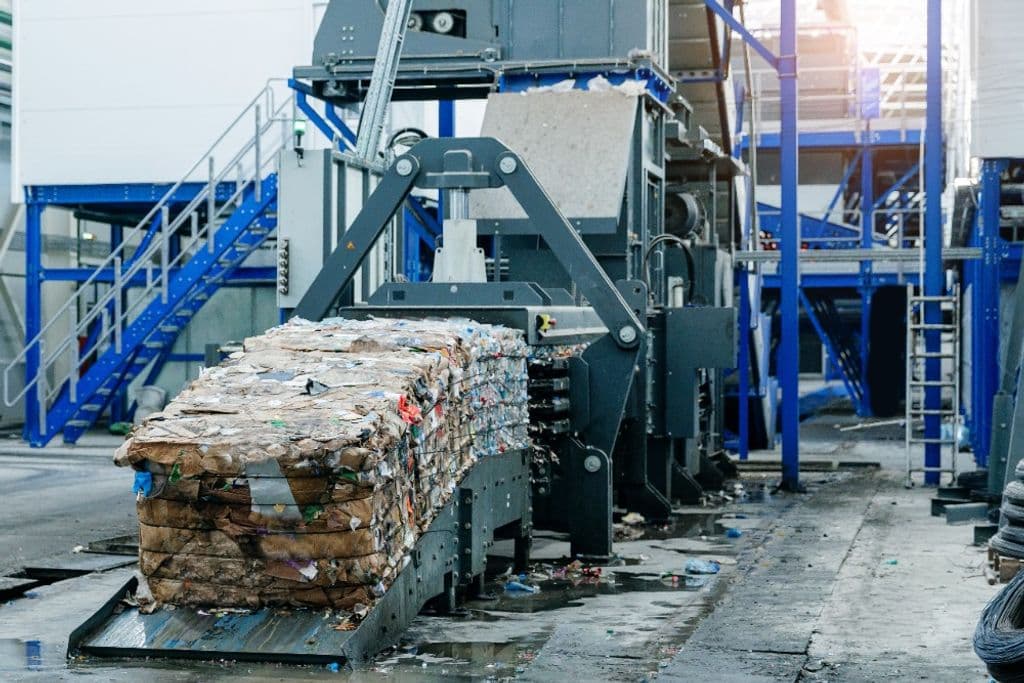
Waste management systems in Indonesia continue to evolve from the simple 3R concept, consisting of Reduce, Reuse, and Recycle, into a more comprehensive approach based on the 9R principles.
This development shows that waste management is no longer focused solely on disposal or recycling. It also involves preventing waste from being generated, extending product lifespans, and returning the value of materials to the economy.
For many years, people have recognized the 3R principles as the main approach to reducing the environmental impacts of waste.
However, increasing waste volumes and the limited capacity of final disposal sites have created a need for a more effective and sustainable approach.
Related Article: The Secrets Behind Singapore’s Waste Management and Its Status as ASEAN’s Cleanest Country
Understanding the 9R Principles in Sustainable Waste Management Systems
The 9R concept in the circular economy expands the 3R principles by adding several actions designed to extend product lifespans, reduce the use of new resources, and maximize the value of products that have already been used.
Below is an explanation of each of the 9R principles.
1. Refuse: Reject Unnecessary Products
Refuse means avoiding items or products that are not truly needed, particularly single-use products that are likely to become waste.
Examples include refusing additional plastic bags while shopping, declining promotional brochures that are not needed, or choosing not to use single-use plastic straws.
By practicing Refuse, people can prevent waste from being generated in the first place, making it the first step toward a more effective waste management system.
2. Reduce: Lower Consumption and Resource Use
Reduce focuses on decreasing the number of products consumed and the amount of resources used during production. The fewer products people use, the less waste needs to be managed.
This principle can be applied by purchasing only what is needed, choosing products with minimal packaging, using energy efficiently, and avoiding single-use products.
3. Reuse: Use Products Again While They Are Still Functional
Reuse means giving a product another opportunity to be used before it is discarded. This principle encourages people to continue using items that still serve a purpose.
Examples include using glass bottles as storage containers, carrying reusable shopping bags, reusing packaging that remains in good condition, or giving clothes and books to other people.
By applying the Reuse principle, the need to purchase new products can be reduced, helping conserve natural raw materials.
4. Repair: Fix Products Before Discarding Them
Repair refers to fixing damaged products so they can continue to be used. Many products are discarded because of minor damage, even though certain components can still be repaired or replaced.
Examples include repairing electronic equipment, sewing torn clothes, or replacing computer components so that the device remains functional.
The Repair principle helps extend product lifespans while reducing the amount of waste sent to final disposal sites.
5. Renew or Refurbish: Upgrade Products to Improve Their Function
Renew, also known as Refurbish, is the process of restoring an older product so that it has an improved appearance or performs better.
Unlike Repair, which focuses on fixing damage, Renew places greater emphasis on improving product quality or upgrading its features.
Examples include repainting old furniture, refurbishing electronic devices, or upgrading computer components such as hard drives and RAM so the equipment can continue to be used.
6. Repurpose: Give Products a New Function
Repurpose means using an old item for a purpose that differs from its original function.
Through this principle, items that are considered no longer useful can gain new value without having to undergo a recycling process.
Examples include turning used tires into plant pots, using leftover fabric for handicrafts, or transforming plastic bottles into home decorations.
7. Remanufacture: Restore Products to Like-New Condition
Remanufacture is an industrial process that restores used or damaged products to a condition and quality comparable to new products.
The process generally involves disassembling the product, inspecting its components, replacing damaged parts, reassembling it, and conducting quality testing.
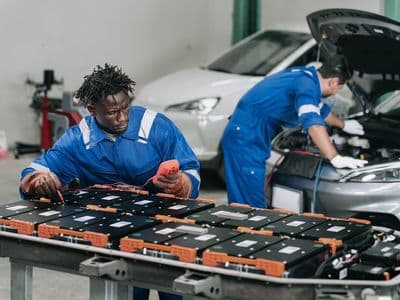
Examples can be found in the automotive industry, including the reconditioning of alternators and starter motors, as well as in electronic devices and printer cartridges.
8. Recover: Retrieve Value from Waste
Recover involves extracting materials or energy that still have value from products that can no longer be used.
This principle helps reduce dependence on newly extracted natural resources.
Examples include recovering valuable metals from electronic waste for use in new production, processing used cooking oil into biodiesel, or using textile waste to produce new materials.
9. Recycle: Process Waste into New Products
Recycle is the most widely recognized principle in waste management. It involves processing used materials into new raw materials or products.
Examples include recycling paper and cardboard into new paper products, processing PET bottles into new plastic raw materials, or recycling glass into new bottles.
Although recycling is important, it is considered the final option within the circular economy after Refuse, Reduce, Reuse, Repair, and the other principles have been applied.
This is because the recycling process still requires additional energy and resources.
Challenges in Implementing the 9R Waste Management System in Indonesia
Although the 9R concept offers a more comprehensive solution, its implementation in Indonesia still faces several challenges.
One of these challenges is the low level of public awareness regarding waste sorting at the source. Many households continue to mix organic waste, plastic, electronic waste, and hazardous waste, making the treatment process more difficult.
Limited infrastructure is another obstacle. An effective waste management system requires adequate sorting facilities, treatment facilities, and recycling networks across different regions.
For this reason, early education, government policy support, and collaboration between communities and the private sector are important factors in accelerating the adoption of the 9R principles.
Related Article: Sanitary Landfills: An Environmentally Friendly Waste Management Method
TBS Energi Utama Role in Promoting Sustainable Waste Management
Creating a more modern waste management system also requires the involvement of companies operating in the environmental sector.
One such company is TBS Energi Utama, which has developed an integrated waste management business in Indonesia and Southeast Asia.
In 2023, TBS Energi Utama strengthened its waste management operations through the acquisition of Asia Medical Enviro Services, or AMES, and ARAH.
These companies have experience managing medical waste, hazardous and toxic materials, domestic waste, and electronic waste.
The two businesses were subsequently consolidated under PT Solusi Bersih TBS, or SBT, as a dedicated waste management subholding.
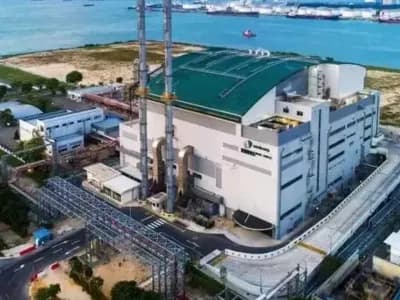
This initiative continued in March 2025 with the completion of the full acquisition of Sembcorp Environment, or SembEnviro, a Singapore-based company with expertise in municipal waste management, recycling, and environmental solutions.
In September 2025, SembEnviro officially changed its name to CORA Environment.
The new identity brings together TBS Energi Utama various waste management businesses and strengthens its vision of becoming a leader in waste-to-resource solutions across Southeast Asia.