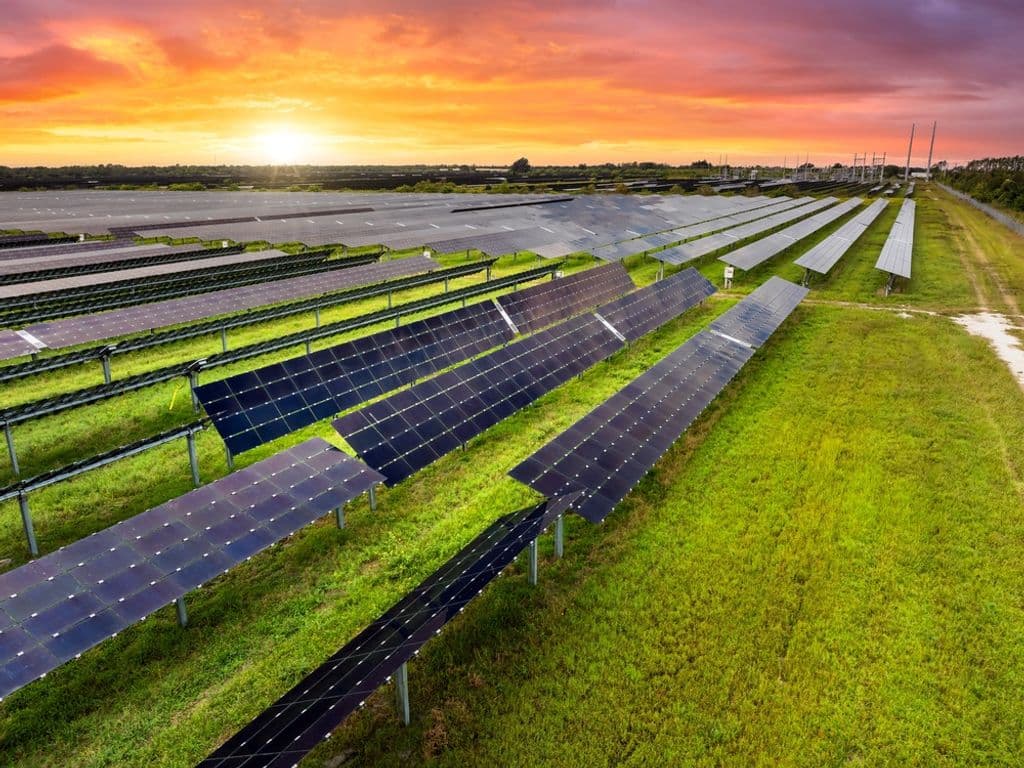
Clean and affordable energy has become an important part of efforts by many countries to address climate change while meeting growing energy demand.
The experience of several Asian countries shows that the energy transition requires solutions tailored to local conditions, investment support, power grid modernization, and policies that can accelerate renewable energy adoption.
The shift toward low-emission energy is not simply about replacing fossil fuel-based power plants with renewable energy.
Countries also need to ensure that communities continue to have access to reliable and affordable electricity, affected workers receive adequate support, and infrastructure development keeps pace with growing energy demand.
Why Is Clean and Affordable Energy Important for Asia?
Asia faces a wide range of energy challenges.
Economic and industrial growth continue to increase electricity demand, while some regions still face limited access to energy.
Geographical conditions in archipelagic countries such as Indonesia also mean that energy infrastructure cannot rely on a single approach for every region.
The experiences of Pakistan, Bangladesh, and Vietnam demonstrate how local conditions can lead to different energy solutions.
Read Also: Examples of Alternative Energy: Types, Benefits, and Future Potential
Pakistan: Solar Energy as a Response to Rising Costs
As energy prices have increased, more people in Pakistan have turned to solar panels to meet their electricity needs.
This development shows that renewable energy can become an alternative when conventional energy costs place greater pressure on households and businesses.
Bangladesh: Expanding Access to Electricity
Bangladesh has utilized solar energy to help provide electricity to communities in areas that are difficult to reach with conventional power grids.
This approach highlights the importance of decentralized energy solutions for regions with specific geographical challenges.
Vietnam: Policy and Investment Driving Renewable Energy Growth
Vietnam has experienced rapid growth in renewable energy, particularly solar and wind power.
Policy support, private investment, and regulatory reforms have helped accelerate the development of renewable energy capacity.
However, rapid growth has also created new challenges.
Power generation capacity has expanded faster than the electricity grid, resulting in grid congestion and renewable energy curtailment.
Lessons from Vietnam for Indonesia’s Energy Transition
Vietnam’s experience shows that renewable energy development needs to be accompanied by adequate grid readiness.
Through its power system development strategy, the Vietnamese government has also increased its focus on energy storage, pumped-storage hydropower, and interregional grid connections.
For Indonesia, this approach is particularly relevant because its electricity system consists of multiple grids spread across thousands of islands.
The development of solar and wind energy needs to progress alongside grid modernization and energy storage technologies.
Vietnam has also introduced various policies to attract private investment, including renewable energy incentives and Direct Power Purchase Agreement (DPPA) schemes.
These schemes allow certain electricity consumers to purchase energy directly from renewable energy producers.
Indonesia can learn from Vietnam’s experience that regulatory certainty and clear market mechanisms are essential for attracting investment in clean energy projects.
Clean and Affordable Energy Requires Local Solutions
There is no single solution that can be applied to every region.
For Indonesia, as an archipelagic country, decentralized approaches can help address energy needs in areas that are not yet fully served by large-scale infrastructure.
Microgrids, local solar power systems, and micro-hydropower plants can be developed according to the characteristics of each region.
Repurposing existing technologies can also help reduce costs.
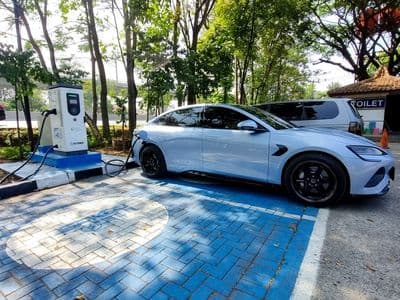
One example is the reuse of electric vehicle batteries that are no longer suitable for transportation but still retain energy storage capacity.
These batteries can potentially be repurposed for community-level energy storage.
The Energy Transition Must Also Consider Communities
The shift away from fossil fuels also affects workers and communities that have traditionally depended on these industries.
For this reason, the concept of a just transition has become an important part of clean energy development.
Experiences from other countries show that local communities need to be involved from the planning stage.
Training support, financing, and the creation of new employment opportunities can help workers transition into more sustainable sectors.
International financing can also be used to accelerate this process.
Programs such as the Just Energy Transition Partnership (JETP) are designed to help developing countries finance their energy transition, including efforts to reduce dependence on coal-fired power generation.
Read Also: Why Indonesia’s Energy Transition Cannot Be Delayed and What Are the Challenges?
TBS’s Role in Developing Renewable Energy in Indonesia
In Indonesia, clean energy solutions can also be developed by matching technologies with local needs and regional conditions.
TBS is developing a number of initiatives that demonstrate how renewable energy can be integrated with local community needs.
1. Repurposing EV Batteries in Sumba
In Sumba, TBS is exploring the reuse of used Electrum electric vehicle batteries for energy storage.
This approach not only supports the circular economy but also creates opportunities to utilize energy storage technologies for community needs.
2. PV Agri on Semau Island
TBS is also developing a PV Agri project on Semau Island, East Nusa Tenggara.
The project integrates solar energy with agricultural irrigation systems.
Solar-generated electricity is used to operate irrigation systems, helping provide a more reliable water supply for farmers while supporting agricultural productivity.
This approach demonstrates how clean energy can deliver broader benefits when developed alongside basic community needs such as water and food.
3. Sumberjaya Mini-Hydropower Plant, Lampung
TBS is also expanding its renewable energy portfolio through the Sumberjaya Mini-Hydropower Plant in Lampung.
In 2020, through PT Toba Bara Energi (TBAE), TBS acquired PT Adimitra Energi Hidro (AEH), the developer of a 2 x 3 MW mini-hydropower plant, as well as PT Bayu Alam Sejahtera (BAS), which explores wind energy opportunities in East Nusa Tenggara.
The Sumberjaya Mini-Hydropower Plant developed by AEH reached its Commercial Operation Date (COD) on January 22, 2025, with a total capacity of 6 MW.
The plant contributes to clean energy supply in the Southern Sumatra region.
4. Tembesi Floating Solar Power Plant, Batam
In Batam, TBS is also developing the Tembesi Floating Solar Power Plant.
The project completed financial close in 2024 and is targeted to begin commercial operations and integrate with the national electricity grid in 2026.
With a capacity of 46 MWp, the floating solar project is expected to support emissions reduction, improve air quality, create green jobs, and encourage technology transfer and collaboration with local communities.
Building a Clean and Affordable Energy Future
The experiences of different countries show that there is no single model for the energy transition.
For Indonesia, a combination of renewable energy, more modern electricity grids, energy storage, investment-friendly policies, and locally tailored approaches will be important in building a more resilient energy system.
Through the development of the Sumberjaya Mini-Hydropower Plant, the Tembesi Floating Solar Power Plant, the reuse of EV batteries in Sumba, and the PV Agri project on Semau Island, TBS Group continues to explore energy solutions that not only focus on reducing emissions but also consider community needs and sustainable development.
These initiatives are aligned with TBS’s commitment to supporting the development of clean and affordable energy in Indonesia.