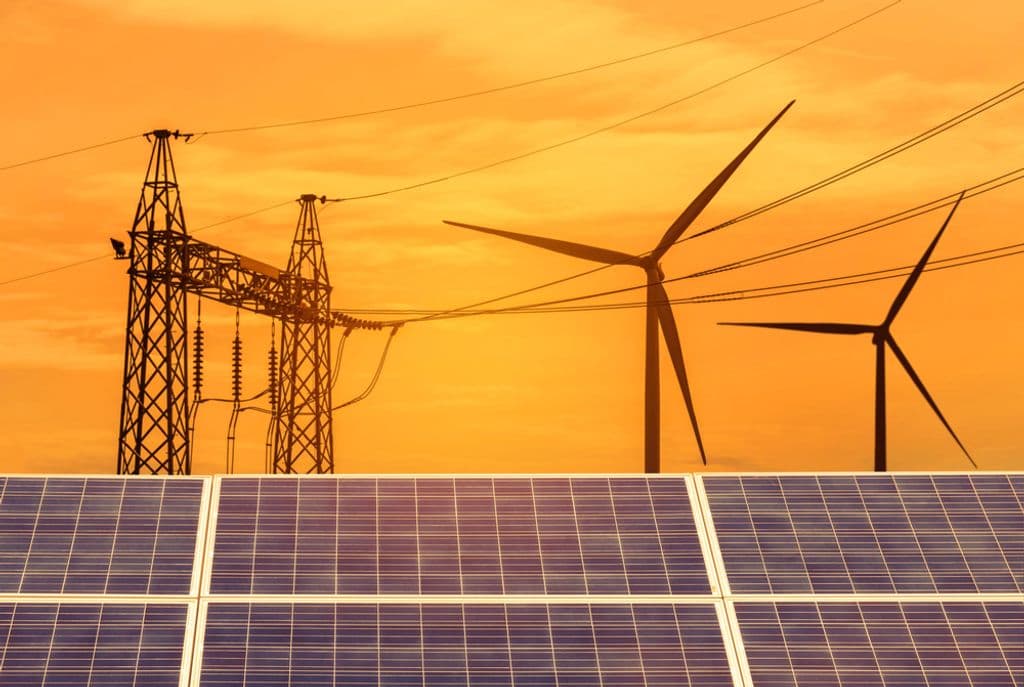
Examples of alternative energy that can be used in everyday life include solar, hydropower, wind, geothermal, ocean energy, and bioenergy derived from renewable resources.
Using these energy sources is important for reducing dependence on fossil fuels while supporting more sustainable energy needs in the future.
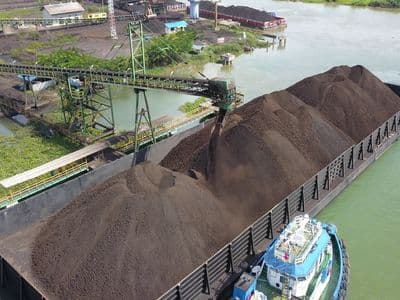
Fossil fuels such as coal, oil, and natural gas are formed through natural processes that take millions of years, making them finite resources. At the same time, their use produces greenhouse gas emissions that contribute to climate change.
These conditions are encouraging countries around the world to develop alternative energy sources by utilizing the natural resources available to them.
Read Also: Understanding Renewable Energy and Its Types: Energy Solutions for the Future
Examples of Alternative Energy That Can Be Utilized
Various types of alternative energy are being developed to meet electricity, transportation, and industrial needs. Here are some examples.
1. Solar Energy
Solar energy comes from sunlight and is commonly harnessed using solar panels. Photovoltaic (PV) technology converts sunlight into electricity when photons strike PV cells and trigger the movement of electrons.
Solar panels can be installed on rooftops, open land, or water surfaces through floating solar technology. These systems can also be configured according to specific needs through on-grid, off-grid, or hybrid schemes.
In Indonesia, solar energy development continues to expand because the country receives abundant sunlight throughout the year.
2. Hydropower
Hydropower utilizes flowing or falling water to generate electricity through hydropower plants and mini-hydropower facilities.
Water drives a turbine, which then powers a generator to produce electricity.
Indonesia has significant hydropower potential due to its many rivers, dams, and reservoirs. One example is the Citarum River basin, which plays an important role in irrigation, raw water supply, flood control, and electricity generation.
3. Wind Energy
Wind energy is generated by using moving air to rotate turbines. The rotation produces mechanical energy, which is then converted into electricity by a generator.
Wind power plants can be developed both onshore and offshore.
Indonesia has considerable wind energy potential, particularly in several coastal areas, including southern Java and South Sulawesi.
4. Geothermal Energy
As the name suggests, geothermal energy comes from heat stored beneath the Earth's surface.
This heat can be used to produce steam, which then drives turbines and generators to produce electricity.
As a country located along the Pacific Ring of Fire, Indonesia has significant geothermal potential.
Several geothermal power plants have already been developed, including in the Patuha and Dieng areas.
5. Bioenergy
Unlike solar, wind, and hydropower, bioenergy comes from organic materials or biomass.
Sources can include crop residues, agricultural waste, wood, and animal manure.
Biomass can be processed through combustion, gasification, or fermentation to produce heat, electricity, or fuel.
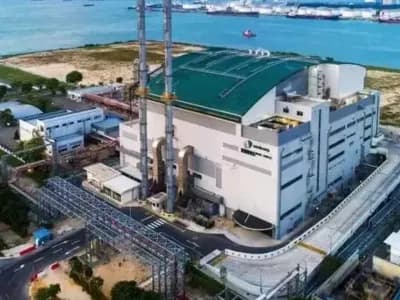
Using waste as an energy source can also help reduce the volume of waste that needs to be disposed of.
6. Ocean and Tidal Energy
Ocean energy utilizes various marine resources, including waves, ocean currents, tides, salinity differences, and differences in seawater temperature.
Tidal energy specifically harnesses the movement of water caused by rising and falling tides to drive turbines.
In many countries, ocean energy technologies are still under development. However, they offer significant potential for archipelagic countries such as Indonesia.
7. Hybrid Energy Systems
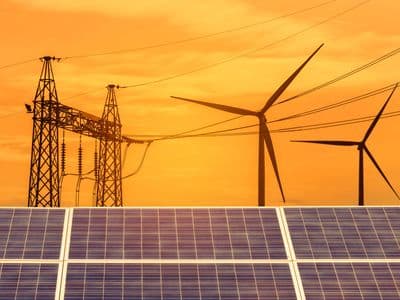
Hybrid energy systems combine two or more energy sources, such as solar panels and wind turbines, to provide a more stable electricity supply.
These systems can be particularly useful in areas that are not yet optimally connected to the main electricity grid.
Benefits of Using Alternative Energy
The use of alternative energy provides benefits for both the environment and business and industrial activities. Some of the main benefits include:
- Reducing dependence on fossil fuels: Companies do not have to rely entirely on finite energy sources whose prices can fluctuate.
- Reducing carbon emissions: Many renewable energy sources produce lower emissions than fossil fuels.
- Improving long-term cost efficiency: This becomes increasingly relevant as renewable energy technologies continue to develop and production costs decline.
- Supporting industrial sustainability: Companies can strengthen their positioning as businesses that take environmental considerations seriously.
- Improving energy security: This is especially important when renewable energy sources can be developed near operational locations.
Alternative Energy Development in Asia
Asia is one of the most important regions in the global development of renewable energy.
China has become one of the global leaders in solar and wind power development, as well as in the manufacturing of solar panels, lithium-ion batteries, and electric vehicles.
India is also accelerating the development of solar and wind power to meet the electricity needs of its large population.
Meanwhile, Vietnam is one example of a Southeast Asian country that has experienced rapid renewable energy growth, supported by policy measures and investment.
In addition to solar and wind power, hydropower and geothermal energy also play important roles across Asia.
Countries such as Indonesia and Laos are developing hydropower, while countries with significant volcanic activity, such as Indonesia and the Philippines, have substantial geothermal potential.
Examples of Alternative Energy in Indonesia
Indonesia has significant renewable energy potential, although its development still faces challenges related to infrastructure, investment, and geography.
The government is targeting renewable energy to account for around 19%–23% of the electricity generation mix by 2030.
This potential comes from various sources, including hydropower, geothermal, solar, bioenergy, and wind.
One growing sector is solar power, including floating solar projects. Meanwhile, hydropower and geothermal facilities can help provide a more stable electricity supply.
Challenges in Utilizing Alternative Energy
The development of alternative energy is not without challenges.
Solar and wind power, for example, depend on natural conditions, meaning their output can vary based on sunlight intensity and wind speed.
For this reason, increasing renewable energy capacity needs to be accompanied by the development of transmission networks, energy storage systems, and electricity management technologies.
Indonesia also faces geographical challenges because its territory is spread across thousands of islands.
In addition, energy projects need to consider investment requirements, resource locations, grid access, technology, economic feasibility, and the needs of surrounding communities.
Read Also: Distributed Energy Resources: The Future of Decentralized Energy Systems
Expansion of TBS Renewable Energy Projects
TBS continues to expand its renewable energy portfolio through a number of environmentally friendly power generation projects.
In 2020, TBS acquired PT Adimitra Energi Hidro (AEH) through PT Toba Bara Energi (TBAE) to develop a 2 x 3 MW mini-hydropower plant in Lampung.
In the same year, TBS also acquired PT Bayu Alam Sejahtera (BAS), which has explored wind energy potential in East Nusa Tenggara.
The AEH project reached its Commercial Operation Date (COD) on January 22, 2025, contributing 6 MW of clean energy capacity to the Southern Sumatra region.
The power plant also provides benefits to local communities through infrastructure development, improved electricity access, and environmental conservation efforts.
In Batam, TBS is also developing the 46 MWp Tembesi Floating Solar Power Plant.
The project reached financial close in 2024 and is targeted to begin full commercial operations and connect to the national electricity grid in 2026.
The project is expected to deliver benefits including reduced carbon emissions, improved air quality, green job creation, technology transfer, and collaboration with local communities.
Conclusion
The wide range of alternative energy sources shows that energy needs can be met by utilizing more sustainable resources, including sunlight, water, wind, geothermal heat, ocean energy, and biomass.
Clean energy development is also becoming an important part of the energy transition across Asia, including Indonesia.
Through projects such as the Sumberjaya Mini-Hydropower Plant in Lampung and the Tembesi Floating Solar Power Plant in Batam, TBS is contributing to renewable energy development in Indonesia.
These efforts are part of building a more diversified energy portfolio while supporting the transition toward a more sustainable energy system.