Plastic waste can be managed by sorting it, reusing it, recycling it into new products, or sending it to waste management providers with dedicated processing facilities.
On a broader scale, reducing single-use plastics, implementing circular economy principles, strengthening EPR systems, and encouraging collaboration among governments, communities, and industries are essential to addressing plastic waste challenges in Indonesia and Southeast Asia.
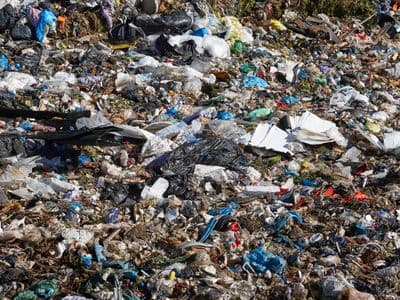
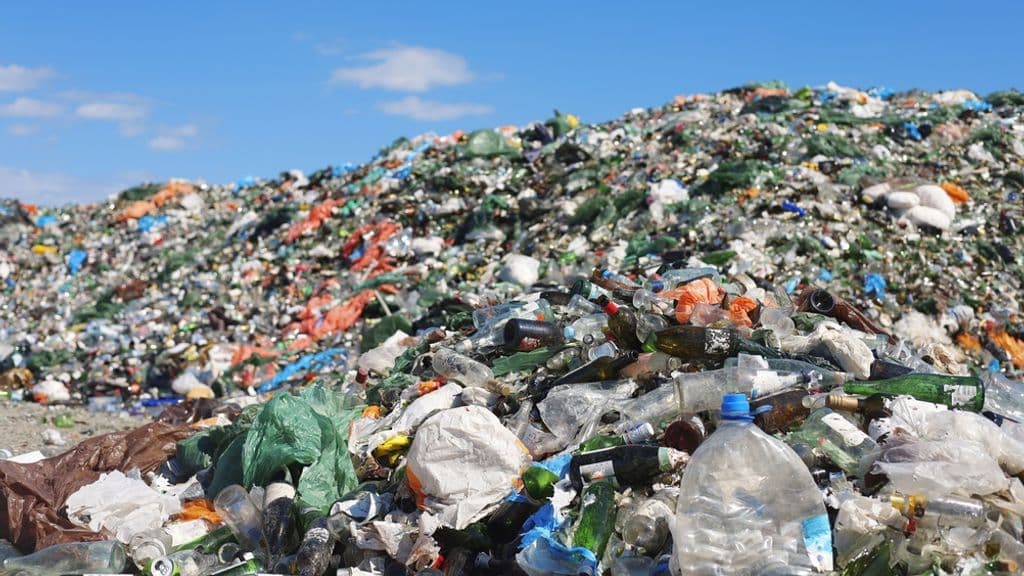
Plastic waste has become one of the environmental issues that requires serious attention. When poorly managed, plastic can accumulate in landfills, pollute soil and waterways, and eventually reach the ocean.
For this reason, waste management should not only begin after waste is generated. It should also start with efforts to reduce plastic use at the source.
Related Article: The Impacts of Waste Burning: Health and Environmental Risks and Their Solutions
Plastic Waste Management Tips at Home
Plastic waste management can begin at home through simple everyday actions. Here are several approaches that can be applied.
1. Sort Plastic Waste
The first step is to separate plastic waste from other types of waste, especially organic waste.
Sorting can also be carried out based on plastic type because not all plastics can be processed in the same way.
Plastic bottles, for example, can be collected for recycling or reuse. Meanwhile, certain types of plastic require further processing before they can be turned into raw materials for new products.
2. Reuse Plastic as Plant Pots
Water bottles, juice bottles, or milk containers can be reused as plant pots.
The process is relatively simple. Make several holes in the container or its base, add soil and a plant, then place or hang it in a suitable location.
This method helps extend the useful life of plastic while creating something practical.
3. Use Plastic Bottles for Watering Plants
Plastic bottles can also be repurposed as plant watering tools.
Make several small holes in the bottle, place part of it in the soil, and fill it with water. The water will gradually seep out through the holes.
Cleaning product containers that have been thoroughly washed can also be turned into watering containers by cutting and adjusting the neck of the bottle.
4. Turn Plastic Waste into Creative Products
Plastic waste that is still suitable for reuse can be transformed into various functional creative products.
Examples include rugs woven from plastic bags, decorations made from bottle caps, and other household crafts.
In addition to reducing waste, these activities can also create economic opportunities if the finished products have commercial value.
5. Build a Simple Greenhouse
Used plastic bottles can also be repurposed to create a simple greenhouse for plants.
The bottom of the bottle can be removed, the cap taken off, and the bottle placed around individual plants or garden beds.
This approach can help protect plants from wind while reducing the need to purchase new materials.
6. Make Ecobricks
Ecobricks are one way to make use of plastic waste that is difficult to reuse in other forms.
Plastic waste is cut or shredded and then packed tightly into plastic bottles until they are full and dense.
The finished ecobricks can be used for various purposes, including making tables, chairs, or as supplementary materials for certain types of construction.
7. Send Waste to a Waste Management Provider
Not everyone has the time, equipment, or capacity to process waste independently.
In such cases, plastic waste can be delivered to a waste bank or an integrated waste management provider.
The collected waste can then be sent to recycling industries to be processed into new materials or products.
Plastic Waste Management Strategies in Southeast Asia
Plastic waste is not only a household-level issue.
Countries across Southeast Asia also face challenges in managing growing volumes of waste, including plastic that eventually reaches rivers and oceans.
For this reason, plastic waste management needs to be supported by more comprehensive policies.
1. Reduce Plastic Production and Use
Reducing single-use plastics is one of the most important steps.
Governments can introduce regulations, while consumers can reduce the use of plastic bags, straws, and disposable packaging by choosing reusable alternatives.
2. Strengthen Collection and Recycling Systems
Waste management infrastructure needs to be strengthened, particularly in urban and coastal areas.
Recycling technologies also need to be developed so that more types of plastic can be processed instead of ending up in the environment.
3. Implement EPR
Extended Producer Responsibility, or EPR, encourages producers to take responsibility for the products and packaging they place on the market throughout their life cycle.
The implementation of EPR varies across Southeast Asia. EPR is mandatory for plastic packaging in the Philippines, voluntary in Indonesia, and still under development in Thailand.
Stronger EPR regulations can help reduce pressure on waste management systems while encouraging producers to design products that are easier to reuse or recycle.
4. Expand Reuse and Zero-Waste Systems
Reuse should be prioritized before materials reach the final stage of waste management.
Reuse and refill systems can help reduce waste at the source while creating economic opportunities and jobs.
At the same time, a zero-waste approach can be implemented through waste reduction, sorting, reuse, composting of organic waste, and recycling.
Decentralized waste management systems can also help create green jobs while reducing environmental impacts.
5. Prevent Problematic Waste Trade
Southeast Asian countries also need to strengthen oversight of waste imports, particularly hazardous, mixed, or difficult-to-recycle plastic waste.
Implementation of the Basel Convention and cross-border waste tracking systems can improve transparency and accountability.
In addition, technologies that may continue to support plastic production, such as waste-to-energy incineration and solutions that claim to solve the entire plastic waste problem, need to be assessed based on their environmental and health impacts throughout their life cycles.
Related Article: Waste Management Systems: From 3R to 9R for a Greener Future
TBS’s Role in Integrated Waste Management
Plastic waste management requires support from an integrated waste management system.
One company strengthening its waste management capabilities in the region is TBS.
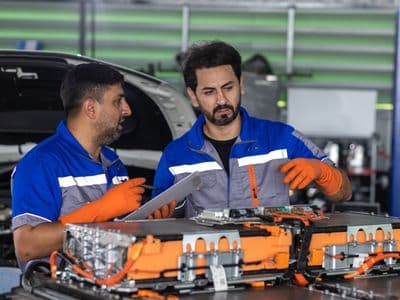
The company began expanding its capabilities in 2023 through the acquisition of Asia Medical Enviro Services, or AMES, and ARAH, two major players in medical, hazardous and toxic, household, and electronic waste management.
The two entities were subsequently consolidated under PT Solusi Bersih TBS, or SBT, as a dedicated waste management sub-holding.
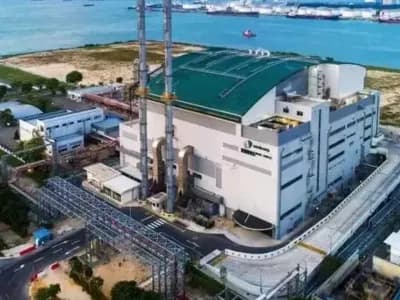
In March 2025, TBS completed the full acquisition of Sembcorp Environment, or SembEnviro, a Singapore-based company operating in municipal waste management, recycling, and environmental solutions.
The acquisition strengthened TBS’s scale, technology, and market reach across the region.
Then, in September 2025, SembEnviro was officially renamed CORA Environment.
The new identity brought TBS’s waste management units together under one brand while reinforcing the company’s ambition to deliver waste-to-resource solutions across Southeast Asia.
With AMES, ARAH, and CORA operating under one platform, TBS is implementing its TBS2030 roadmap to achieve its sustainability targets, reduce environmental impacts, and create long-term value for the region.
TBS currently operates five processing facilities located in Indonesia and Singapore. In 2025, these facilities processed more than 970,000 tons of waste and served over 475,000 active customers.
Plastic waste management can begin with simple actions such as sorting, reusing, making ecobricks, or sending waste to an appropriate waste management provider.
However, addressing plastic waste at the scale of Indonesia and Southeast Asia requires integrated waste management systems, strong policies, reduction at the source, and collaboration among multiple stakeholders.
With its continuously expanding waste management capabilities, TBS is working to support the development of more sustainable waste management solutions across Southeast Asia.