The cleanest countries in the world are assessed based on various factors, including air and water quality, waste management, ecosystem protection, and efforts to address climate change.
A clean environment does not only make a country more comfortable to live in, but also supports public health and overall quality of life.
So, which countries are included among the cleanest in the world? Here is a look at the rankings and sustainability efforts of several countries, including Indonesia.
What Determines the Cleanest Countries in the World?
One of the references used to assess a country’s environmental performance is the Environmental Performance Index (EPI), developed by the Yale Center for Environmental Law and Policy together with researchers from Columbia University.
The index evaluates environmental performance through a range of indicators covering environmental health, ecosystem vitality, and climate change.
This means that the cleanest countries are not determined solely by how clean their streets appear. Equally important are the government’s ability to control pollution, manage waste, reduce emissions, and protect biodiversity.
However, rankings should always be interpreted based on the methodology and year of publication. EPI scores are not always directly comparable with previous editions because the measurement methods and data used may change.
Read Also: Green Jobs Are Not Just for Engineering Graduates! 10 Green Career Opportunities in Indonesia
10 Cleanest Countries in the World 2026
Based on the list of high-performing countries used as the reference for this article, here are ten countries worth noting, along with the environmental efforts that support their performance.
1. Estonia
Estonia ranks first in the 2026 EPI ranking used as the reference for this article, with a score of 74.8.
The Baltic country demonstrates strong environmental performance through nature protection and sustainable resource management.
Estonia has also developed digital public services that help improve efficiency across various government functions. However, its environmental achievements should still be assessed based on the indicators used in the index, rather than technological progress alone.
2. Luxembourg
Luxembourg is known for urban planning that pays close attention to green spaces and environmental quality.
The development of public transportation and efforts to control emissions also support more sustainable urban living.
3. Germany
Germany continues to expand renewable energy and recycling systems.
Investment in environmentally friendly technologies and resource management plays an important role in the country’s efforts to reduce the environmental impact of economic activity.
4. Finland
Finland has extensive forest areas and access to safe drinking water.
Its population also has access to a wide range of open spaces for outdoor activities, making the natural environment an important part of overall quality of life.
5. United Kingdom
One of the country’s strengths is its range of policies aimed at reducing emissions and increasing the use of low-carbon energy.
The development of public transportation and pollution control measures also forms part of efforts to improve environmental quality.
6. Sweden
Sweden is known for its use of renewable energy and sustainability-focused policies.
The country also strongly supports energy efficiency and lifestyles that place greater emphasis on responsible resource use.
7. Norway
Norway relies heavily on hydropower as one of its main energy sources.
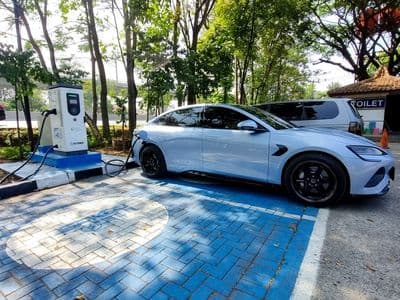
The country also promotes electric vehicle adoption as part of efforts to reduce transportation-related emissions.
8. Austria
Austria prioritizes the protection of natural landscapes, including mountainous and forested areas.
Environmental management and the development of more sustainable transportation also support efforts to maintain the quality of its natural surroundings.
9. Switzerland
Switzerland has a highly organized waste management and recycling system.
Its government also places strong emphasis on water management and the protection of natural areas to maintain environmental quality and quality of life.
10. Denmark
Denmark continues to develop wind energy and various policies aimed at reducing carbon emissions.
Urban planning that supports sustainable mobility also helps reduce dependence on private vehicles.
The Cleanest Country in Asia: Where Does Singapore Stand?
Singapore is often cited as an example of effective urban cleanliness management in Asia.
The country applies public cleanliness regulations, provides organized waste collection systems, and continues to expand green spaces within its dense urban environment.
Japan is also known for its waste sorting practices and clean public facilities, while South Korea has developed food waste management systems and Taiwan has introduced scheduled waste collection and recycling programs.
Elsewhere in Southeast Asia, Brunei Darussalam has extensive forest coverage, while Bhutan has made environmental conservation one of its development priorities.
However, the title of the cleanest country in Asia may vary depending on the indicators used.
Global rankings based on the EPI do not always produce the same results as assessments focused specifically on urban cleanliness or waste management effectiveness.
What Is the Environmental Situation in Indonesia?
Indonesia continues to face challenges related to air pollution, water pollution, waste management, and forest protection.
Population growth, industrial activity, and infrastructure limitations across different regions also influence environmental conditions.
In urban areas, air quality is affected by vehicle emissions and industrial activity.
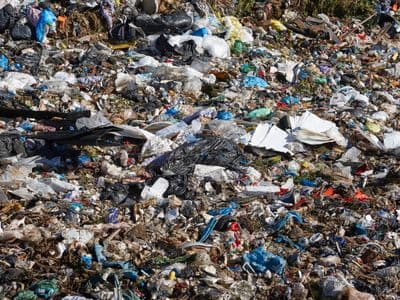
At the same time, river pollution and plastic waste leakage into the environment highlight the need to improve waste collection, treatment, and disposal systems.
Reducing dependence on fossil fuels, protecting ecosystems, and expanding renewable energy are also important for supporting emissions reductions.
While these challenges remain significant, they also create opportunities to develop more integrated waste management technologies and services.
For environmental management to become more sustainable, collaboration between governments, communities, and the private sector is essential.
Read Also: Distributed Energy Resources: The Future of Decentralized Energy Systems
TBS’s Role in Integrated Waste Management in Southeast Asia
As part of its corporate strategy, TBS has been building an integrated waste management ecosystem and supporting the recovery of waste as a resource by expanding its capabilities in Indonesia and Singapore.
This initiative began with TBS’s acquisition of Asia Medical Enviro Services (AMES) and ARAH Environmental Indonesia in 2023.
The two companies were later consolidated under PT Solusi Bersih TBS (SBT), a subholding focused on the waste management business.
To date, AMES has more than 20 years of experience in medical waste management in Singapore, with a treatment capacity of more than 5,000 tonnes per year.
Meanwhile, ARAH provides integrated waste management services across 16 provinces, supported by more than 5,000 collection points and an incineration capacity of more than 10,000 tonnes per year.
TBS then completed the full acquisition of Sembcorp Environment (SembEnviro) in March 2025, with the aim of expanding its technological and operational capabilities as well as its waste management market reach.
Later that year, in September 2025, SembEnviro was officially renamed Cora Environmental.
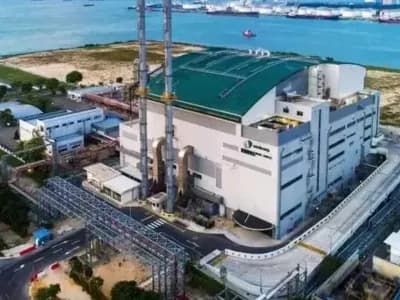
Cora Environmental now operates in the waste management and waste-to-energy sector in Singapore, handling more than 900,000 tonnes of waste each year.
The integration of these capabilities strengthens the company’s position in developing waste management solutions across Southeast Asia.
Through ARAH Environmental Indonesia, AMES, and Cora Environmental, TBS continues to expand its services while improving resource utilization efficiency.