Climate change is a shared responsibility, but industry plays a major role because production activities, energy use, and supply chains contribute significantly to greenhouse gas emissions.
Amid Asia’s economic growth and rising energy demand, industries need to accelerate the adoption of clean energy, improve efficiency, and collaborate with governments and communities to build a low-carbon economy.
Climate change is no longer an issue discussed only in international forums. Its impacts are becoming increasingly visible through extreme weather, shifting seasonal patterns, rising temperatures, and growing threats to food security and the economy.
For this reason, the key question is no longer who bears the greatest responsibility, but how every stakeholder can contribute to reducing emissions.
Why Is Climate Change a Shared Responsibility?
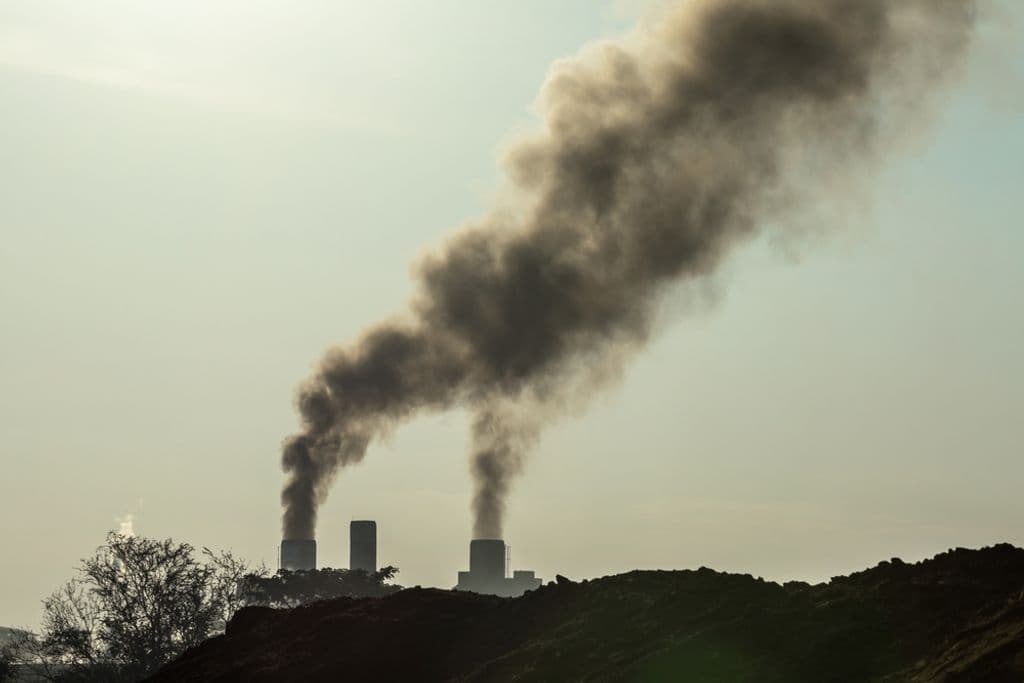
Carbon dioxide (CO2) and other greenhouse gases accumulate in the atmosphere and cause the planet to warm. However, determining who should be responsible is not as simple as identifying the countries with the highest emissions.
Based on current emissions, countries such as China, the United States, and India are among the world’s largest emitters.
However, the ranking can change when historical emissions since the Industrial Revolution are taken into account. The picture also differs when emissions are measured based on population, land use, or the size of a country’s economy.
This shows that climate change is a complex issue.
Developed countries have a long history of emissions, while developing countries still need energy and economic development to improve people’s well-being.
For this reason, the Paris Agreement applies the principle of “common but differentiated responsibilities.” This means that all countries have a responsibility to address climate change, but their respective contributions and capabilities may differ.
Related Article: The Impacts of Waste Burning: Health and Environmental Risks and Their Solutions
The Role of Industry in Reducing Emissions
Industry is one of the key stakeholders in efforts to reduce emissions. Companies do not only consume energy in their production processes, but are also connected to transportation, raw materials, distribution, and product consumption.
Industrial emissions can be reduced through several measures, including improving energy efficiency and increasing the use of renewable energy.
1. Energy Efficiency as a First Step
One of the relatively accessible steps companies can take is improving energy efficiency.
More efficient machinery, energy-saving production systems, and the use of technology can help companies consume less energy while producing the same amount of output.
This approach can also provide economic benefits. When energy consumption decreases, operating costs can also be reduced.
As a result, reducing emissions does not always mean increasing the burden on businesses. Instead, it can become a long-term investment.
2. Building Industry with Renewable Energy
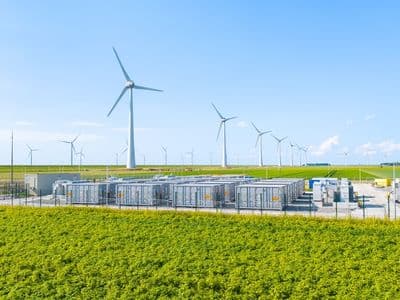
In addition to improving efficiency, industries need to increase the use of renewable energy, such as solar, hydropower, and wind energy.
Clean energy can help reduce dependence on fossil fuels while also supporting energy security.
This approach is becoming increasingly important in Southeast Asia. The region is projected to account for around 25% of global energy demand growth over the next 10 years, largely driven by rapid manufacturing expansion.
This means that decisions made by industries in Southeast Asia today will influence global efforts to achieve emissions reduction targets.
Southeast Asia Has a Strategic Role
Southeast Asia stands at the crossroads of economic growth and the energy transition.
Indonesia, Vietnam, Malaysia, and Thailand, for example, have expanding manufacturing sectors as well as significant potential in clean technology industries.
The region also has important advantages that could help it become a hub for green industries, ranging from critical mineral resources and renewable energy potential to manufacturing capabilities and a skilled workforce.
Indonesia holds a strategic position because it has mineral resources needed for the development of electric vehicles and battery supply chains.
At the same time, Indonesia also faces major challenges in reducing emissions from the energy sector, industry, and land-use change.
Collaboration Is Key
No single company or government can solve the climate change challenge alone.
Collaboration is needed among governments, industries, investors, communities, and environmental organizations.
One approach that can be developed is the creation of low-emission industrial areas.
Companies operating within the same area can share clean energy infrastructure, use renewable energy collectively, and develop more efficient supply chains.
Such a model can help distribute costs and risks, making the transition toward low-carbon industries more realistic.
Indonesia’s Role in the Energy Transition
Indonesia has significant opportunities to expand the use of renewable energy.
The development of solar, hydropower, and other clean energy sources can help meet growing energy demand while reducing emissions.
However, the energy transition requires substantial investment.
For this reason, financing remains one of the main challenges, particularly for developing countries that still need to invest in infrastructure and expand access to energy at the same time.
Government support, private investment, international cooperation, and green financing need to work together.
This would allow economic development to continue without repeating a growth model that relies heavily on fossil fuels.
Related Article: What Is a Carbon Footprint? Meaning, Causes, Impacts, and Ways to Reduce It
TBS and Its Commitment to Expanding Renewable Energy
One example of concrete action in Indonesia is the development of renewable energy projects by TBS.
The company is strategically expanding its clean energy portfolio through several power generation projects.
In 2020, through its subsidiary PT Toba Bara Energi, or TBAE, TBS acquired PT Adimitra Energi Hidro, or AEH, the developer of a 2 x 3 MW mini-hydropower plant in Lampung.
The AEH project reached its Commercial Operation Date, or COD, on January 22, 2025, and now contributes 6 MW of clean energy to the Southern Sumatra region.
Hydropower also offers the advantage of being a relatively stable energy source, making it complementary to intermittent renewable sources such as solar and wind.
The project also provides benefits to local communities through infrastructure development, improved electricity access, and environmental conservation efforts.
In addition, TBS acquired PT Bayu Alam Sejahtera, or BAS, which is currently exploring wind energy potential in East Nusa Tenggara.
TBS is also developing the 46 MWp Tembesi Floating Solar Power Plant in Batam.
The project reached financial closing in 2024 and is targeted to begin full commercial operations and connect to the national electricity grid in 2026.
The floating solar project is expected to provide broader benefits, including reducing carbon emissions, improving air quality, and creating green jobs.
The project also creates opportunities for technology transfer and collaboration with local communities.
Climate change does indeed require shared responsibility, but industry has a significant opportunity to become part of the solution.
Energy efficiency, renewable energy development, investment in clean technologies, and collaboration among stakeholders can help Asia, including Indonesia, continue to grow without placing excessive pressure on the environment.
Through renewable energy projects such as the Sumberjaya Mini-Hydropower Plant in Lampung and the Tembesi Floating Solar Power Plant in Batam, TBS demonstrates that the transition toward cleaner energy can progress alongside economic development.
Efforts like these are an important part of building a more sustainable future for Indonesia while also contributing to global efforts to address climate change.