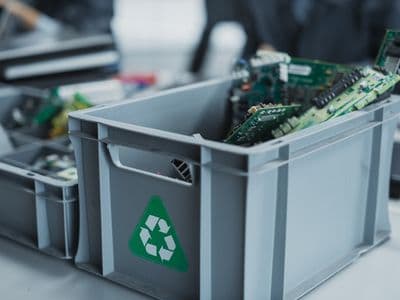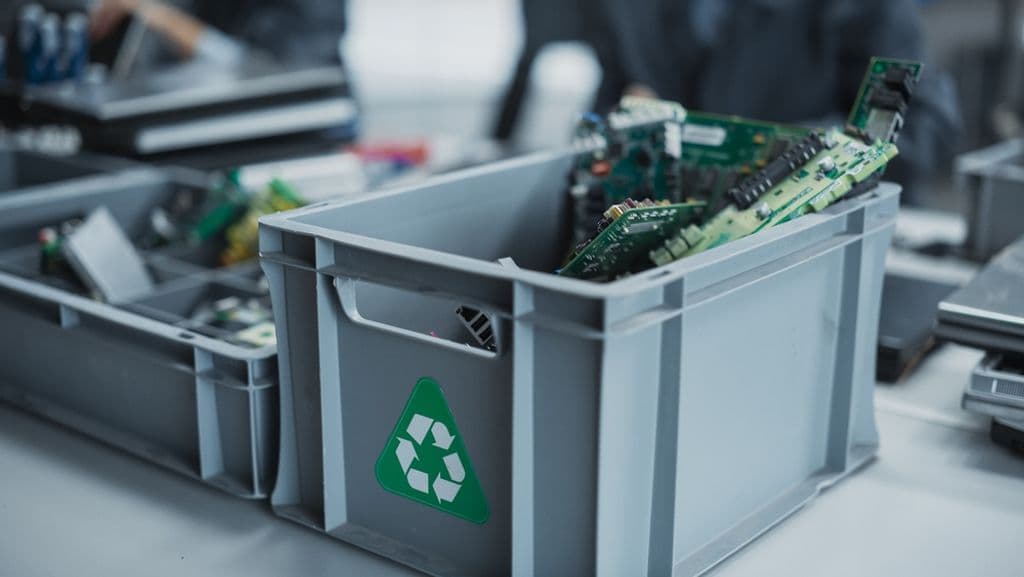
Electronic waste, or e-waste, continues to increase as more electronic devices are used, while disposal is still often mixed with ordinary household waste.
Do you have a broken phone charger, an old television, an unused laptop, or other electronic devices at home? These items are considered electronic waste.
According to the United Nations Institute for Training and Research (UNITAR), e-waste includes various items that have electrical cords or batteries. The problem is that the amount of electronic waste continues to grow.
Data from Indonesia’s Ministry of Environment and Forestry (KLHK) in 2021 showed that Indonesia generated around 2 million tons of electronic waste. Java accounted for approximately 56% and Sumatra for 22% of the total.
Globally, the UN Sustainable Cycles Programme recorded around 50 million tons of e-waste in 2021, with the volume expected to continue increasing over the coming decades.
This situation shows that e-waste management requires serious attention.
In Indonesia and other Asian countries, proper electronic waste management is important to prevent environmental pollution, protect public health, and enable valuable materials to be recycled.
Related Article: Eco-Friendly Waste Management Strategies and Sustainable Waste Solutions
Why Is Electronic Waste Dangerous?
Electronic waste is different from ordinary household waste.
Various electronic devices may contain hazardous materials such as mercury, lead, cadmium, arsenic, lithium, and flame retardants.
If disposed of in landfills without proper treatment, these substances can contaminate soil and water. When electronic waste is burned improperly, hazardous substances can also be released into the air and affect human health.
The impacts may include environmental pollution and various health problems. For this reason, throwing electronic devices into ordinary household waste is not the right option.
Do Not Throw It in Regular Trash
Electronic devices, particularly those using lithium batteries, can also create fire risks if they are damaged, crushed, or exposed to heat at waste management facilities.
At the same time, used electronics still contain valuable materials such as copper, aluminium, gold, and several rare elements.
Through proper recycling processes, these materials can be recovered and reused, helping reduce the need to extract new raw materials.
How to Dispose of E-Waste Properly
There are several simple steps people can take to reduce the impact of electronic waste.
1. Use Take-Back Programs
Some electronics manufacturers and retailers provide take-back programs for old devices.
Before disposing of an item, check whether the brand or store where the device was purchased offers such a service.
2. Take It to a Collection or Recycling Facility
Do not mix used electronics with household waste.
Look for an e-waste collection point, recycling center, or electronic waste management service that follows responsible processing procedures.
3. Delete Personal Data
For smartphones, laptops, tablets, and other devices that store personal information, make sure all data has been backed up and securely deleted before the device is sent for recycling.
4. Do Not Burn Electronics
Open burning of e-waste can produce smoke and hazardous compounds.
For this reason, electronic devices should be handed over to organizations or service providers with appropriate treatment facilities.
E-Waste Management in Asia
Electronic waste is a major challenge across Asia.
According to the Global E-waste Monitor 2024, Asia generates nearly half of the world’s total e-waste, while its contribution to global recycling remains significantly lower.
Each country has a different system.
Japan and South Korea, for example, have established producer responsibility systems that encourage the take-back and recycling of electronic products.
Singapore also has a national collection system with drop-off points available across various locations.
In Malaysia, e-waste is categorized as Scheduled Waste. People can hand over devices such as televisions, computers, mobile phones, washing machines, air conditioners, and refrigerators to designated collection centers.
Meanwhile, Indonesia continues to develop its e-waste management infrastructure.
In major cities, people can find collection and recycling services from several providers. However, access to formal facilities remains more limited outside urban areas.
What Can People in Indonesia Do?
The simplest step is to separate used electronics from other types of waste.
For devices that are still functional, consider repairing, reusing, selling, or donating them.
If a device is damaged and can no longer be used, hand it over to an appropriate waste management provider.
This allows valuable materials to be recovered while preventing hazardous substances from polluting the environment.
Benefits of Managing Electronic Waste Properly
Responsible e-waste management provides benefits for both the environment and society.
Electronic recycling can reduce the amount of waste sent to landfills, prevent soil and water contamination, and reduce air pollution.
In addition, recovering materials such as copper, aluminium, and precious metals helps conserve natural resources.
The recycling industry can also create jobs while supporting the implementation of a circular economy.
Ultimately, electronic waste management is not only about disposing of old devices.
It is part of building more responsible and sustainable consumption patterns.
Related Article: Effective Plastic Waste Management Tips for a More Sustainable Environment
Managing Electronic Waste for a More Sustainable Future with TBS
The growth of electronic waste shows that increasing technology use needs to be matched with responsible waste management.
Starting at home, people can take simple steps by not disposing of electronic devices carelessly, reusing items that are still functional, and handing e-waste over to the appropriate service providers.
Efforts to protect the environment also need to be supported by the development of cleaner and more sustainable energy sources.
TBS is strategically expanding its presence in the renewable energy sector through several environmentally friendly power generation projects.
Through its subsidiary PT Toba Bara Energi, or TBAE, TBS acquired PT Adimitra Energi Hidro, or AEH, in 2020. AEH is the developer of the 2 x 3 MW Sumberjaya Mini-Hydropower Plant in Lampung.
The project reached its Commercial Operation Date (COD) on January 22, 2025, and now contributes 6 MW of clean energy to the Southern Sumatra region.
TBS is also developing the Tembesi Floating Solar Power Plant in Batam.
The 46 MWp project reached financial closing in 2024 and is targeted to begin full commercial operations and connect to the national electricity grid in 2026.
In addition to reducing carbon emissions, the project is expected to support green job creation, improve air quality, encourage technological development, and provide benefits to surrounding communities.
Through this portfolio, TBS continues to support clean energy development as part of its journey toward a more sustainable future.
Responsible electronic waste management and the transition toward renewable energy are two complementary steps in creating a healthier environment for future generations.