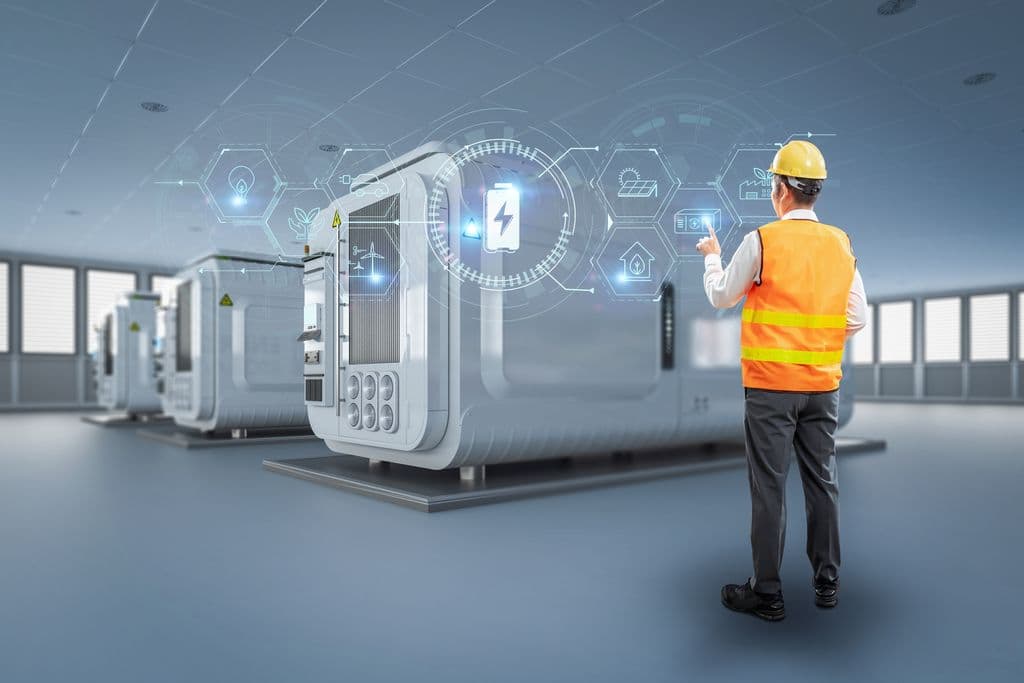
Energy conservation is the practice of using energy wisely to reduce waste, lower costs, and protect the environment.
Its implementation can start with simple daily habits, improvements in building and industrial efficiency, and the development of renewable energy, such as TBS’s hydropower and solar power projects.
Almost every human activity requires energy, from turning on lights and using air conditioning to operating various electronic devices.
As populations grow and technology advances, energy demand also continues to increase, making proper energy management increasingly important.
In addition to helping reduce expenses, more efficient energy use can ease pressure on natural resources and help lower greenhouse gas emissions.
Read Also: What Are Renewable Energy Sources? Types and Benefits
What Is Energy Conservation?
Energy conservation refers to efforts to manage energy consumption wisely so that energy is used more efficiently without disrupting daily needs and activities.
Simple examples include turning off lights when leaving a room, unplugging electronic devices when they are not in use, and adjusting air conditioner temperatures according to actual needs.
Energy conservation is also closely related to energy efficiency. Both support similar goals, but they differ in how they are applied.
Energy conservation focuses more on changing habits to reduce energy consumption, while energy efficiency focuses on using technologies or systems that require less energy to deliver the same benefits.
Energy can change from one form to another, but its use does not always occur without energy losses.
For this reason, responsible energy use is important for reducing waste while supporting environmental sustainability.
Why Is Energy Conservation Important?
Global energy demand continues to rise alongside economic development, transport electrification, and the growing use of digital technologies.
However, today’s energy demand is still largely met by fossil fuels, which generate carbon emissions.
To address this challenge, the use of renewable energy sources needs to be expanded as a more environmentally friendly alternative.
At the same time, the transition toward clean energy sources needs to be accompanied by energy conservation so that growing electricity demand does not place excessive pressure on infrastructure or increase the cost of energy supply.
Some of the key benefits of energy conservation include:
- Reducing carbon emissions. More efficient energy use can reduce the amount of fossil fuel combustion required to generate electricity.
- Saving costs. Better control of electricity and fuel consumption can help reduce expenses for households and businesses.
- Preserving resource availability. Efficient energy use helps reduce pressure on natural resources.
- Supporting energy security. Reducing unnecessary consumption can help maintain a better balance between energy demand and supply.
How Can Energy Efficiency Be Improved?
Energy efficiency can be improved through changes in habits, the use of technology, and improvements to operational systems.
These measures can be applied in homes, commercial buildings, industrial facilities, and even the power generation sector.
1. Buildings and Households
Energy conservation does not always require major investment. It can begin with simple habits such as:
- Turn off lights when they are not in use to avoid unnecessary electricity consumption.
- Use LED lighting, which requires less energy than incandescent bulbs.
- Set air conditioner temperatures wisely and clean filters regularly to maintain optimal performance.
- Use washing machines with adequate loads so that energy and water are not wasted on very small loads.
- Dry clothes naturally to reduce the use of tumble dryers.
- Use refrigerators efficiently by keeping the door closed and setting the temperature according to the manufacturer’s recommendations.
- Unplug chargers and electronic devices when not in use to reduce standby electricity consumption.
When practiced consistently, these habits can help control energy consumption while also lowering electricity bills.
2. Industry and Manufacturing
The industrial sector requires large amounts of energy to operate machinery, heat materials, and process products.
Using efficient machinery, maintaining equipment regularly, and recovering waste heat from production processes can help reduce energy waste.
Industries can also evaluate energy-intensive production processes and replace them with more efficient technologies where possible.
3. Power Generation and Electricity Use
Electricity generation can also involve energy losses, particularly in thermal power plants that use heat to generate electricity.
For this reason, improving power generation technologies and optimizing electricity systems are important parts of better energy management.
The development of renewable energy sources such as solar, hydropower, and wind also supports emissions reduction in the energy sector.
A combination of efficiency, conservation, and diversification of energy sources is needed to build a more sustainable energy system.
Energy Conservation in Asia
Energy conservation is becoming increasingly important across Asia as electricity demand rises, industries expand, and several countries remain dependent on fossil fuel imports.
China, for example, continues to strengthen its solar technology manufacturing capacity.
Meanwhile, Malaysia has taken steps through its National Energy Efficiency Action Plan and the implementation of the Energy Efficiency and Conservation Act in 2024.
These policies encourage greater energy efficiency through building standards, energy management in government facilities, and energy efficiency labeling for electronic appliances.
This approach shows that energy conservation does not depend solely on individual behavior. It also requires policies and technologies that support more efficient energy use.
What About Indonesia?
Indonesia has introduced various policies to optimize energy use while also expanding renewable energy as a more sustainable source of supply.
Implementation includes the use of energy-efficient equipment, improvements in the operational efficiency of buildings and industries, and optimization of electricity systems.
In addition to saving energy, the development of power generation based on renewable sources forms part of efforts to improve the national energy mix.
Solar, hydropower, and wind energy have the potential to reduce the use of fossil fuels in electricity generation.
However, their development needs to be accompanied by proper grid planning and supply management to ensure that energy demand continues to be met reliably.
Read Also: Distributed Energy Resources: The Future of Decentralized Energy Systems
The Role of TBS Renewable Energy in Supporting Energy Conservation
In Indonesia, energy conservation needs to progress alongside renewable energy development.
This is important for supporting emissions reduction, strengthening energy security, and reducing dependence on fossil fuels.
One company expanding its renewable energy portfolio is TBS.
Through various environmentally friendly power generation projects, TBS contributes to the diversification of Indonesia’s energy sources.
In 2020, through its subsidiary PT Toba Bara Energi (TBAE), TBS acquired PT Adimitra Energi Hidro (AEH), the developer of a 2 x 3 MW mini-hydropower plant in Lampung.
The AEH project reached its Commercial Operation Date (COD) on January 22, 2025, with a total capacity of 6 MW.
The plant adds clean electricity supply to the Southern Sumatra region.
In addition to supporting energy provision, the project also has the potential to benefit local communities through infrastructure development and local economic growth.
During the same period, TBS also acquired PT Bayu Alam Sejahtera (BAS), which is exploring wind energy development opportunities in East Nusa Tenggara.
TBS is also developing a 46 MWp floating solar power plant at the Tembesi Reservoir in Batam.
The project reached financial closing in 2024 and is targeted to begin commercial operations and connect to the electricity grid in 2026.
Using water surfaces for solar panel installation provides an alternative approach to clean energy development.
The project is expected to help reduce carbon emissions, support improvements in air quality, and create opportunities for green jobs and technology transfer.
Through the 6 MW Sumberjaya Mini-Hydropower Plant, which has been operating since January 2025, and the 46 MWp Tembesi Floating Solar Power Plant, which is targeted to begin operations in 2026, TBS remains committed to continuing the expansion of its renewable energy portfolio.