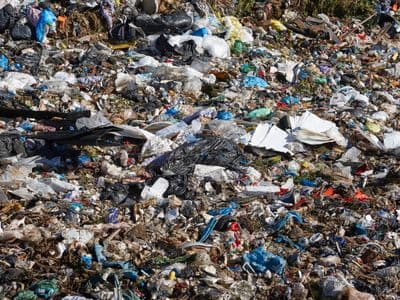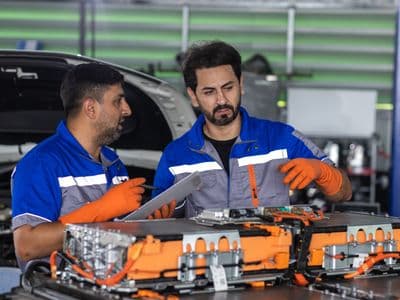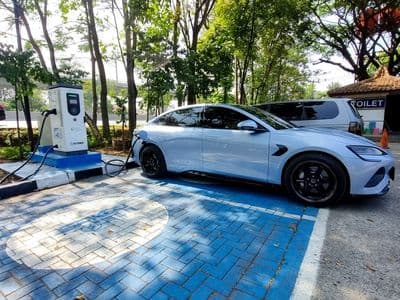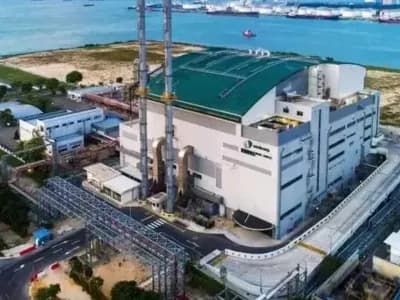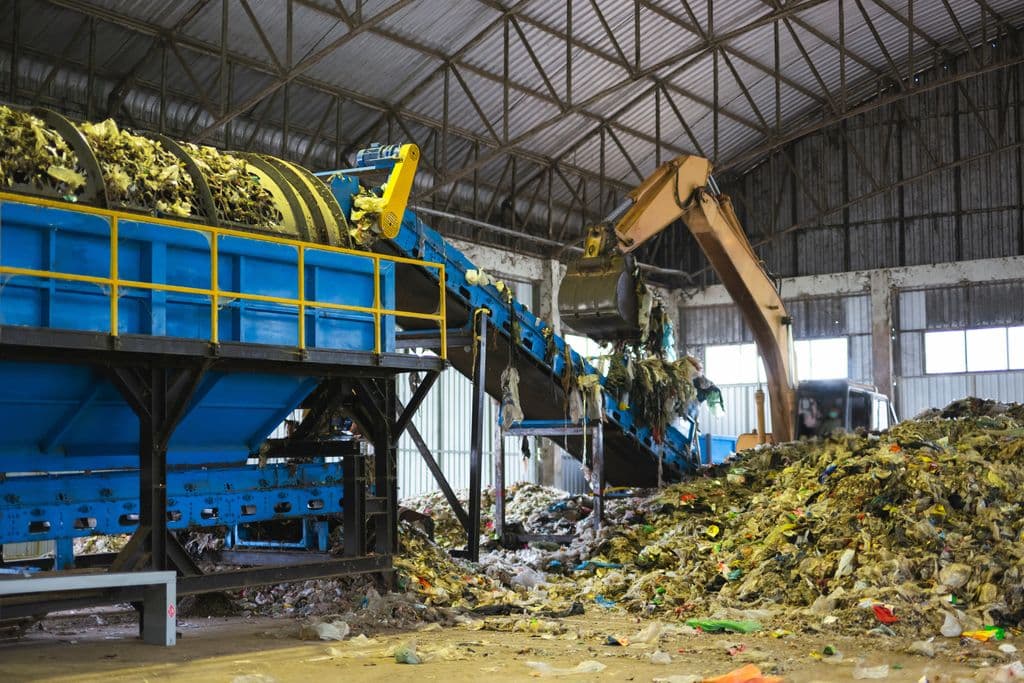
Solid waste is one of the most common types of waste generated almost every day from household, business, industrial, and construction activities.
If it is not managed properly, solid waste can pollute the air, soil, and water, disrupt ecosystems, and increase risks to human health.
As population growth and economic activity continue to increase across Asia, the amount of waste generated is also rising.
For this reason, understanding the types, impacts, and proper handling of solid waste is important for supporting more sustainable environmental management.
What Is Solid Waste?
Solid waste refers to materials or items that are no longer wanted or used and are subsequently discarded.
Examples include paper, plastic, glass, food waste, metals, packaging, and various materials generated from industrial and construction activities.
Despite the term “solid,” waste in this category does not always have to be physically solid.
In waste management, materials categorized as solid waste may also be liquid, semi-solid, or contain gaseous materials, depending on their characteristics and sources.
Almost all human activities generate waste.
For this reason, effective management should begin by identifying the source and characteristics of the waste so that the appropriate treatment method can be selected.
Read Also: The Impact of Waste Burning: Risks to Health, the Environment, and Possible Solutions
Types of Solid Waste
Solid waste can come from many different activities.
Based on its source and characteristics, several common types include the following.
1. Household Solid Waste
This type of waste comes from everyday household activities, such as food scraps, paper, plastic, packaging, and garden waste.
Some of these materials can still be reused or recycled.
2. Industrial Waste
Industrial waste is generated from manufacturing and production processes.
Examples include metal scraps, chemicals, solvents, industrial sludge, and various other by-products.
3. Commercial Waste
This type of waste comes from offices, restaurants, shops, shopping centers, and institutions.
Cardboard, paper, plastic packaging, and food waste are common examples of commercial waste.
4. Construction and Demolition Waste
Construction waste comes from building, renovation, or demolition activities.
Materials may include concrete, wood, bricks, asphalt, metals, and drywall.
5. Electronic Waste
Electronic waste, or e-waste, comes from devices that are no longer used, such as computers, televisions, mobile phones, and other electronic equipment.
This type of waste requires special handling because it may contain hazardous materials.
6. Agricultural Waste
Agricultural activities generate waste such as crop residues, animal manure, pesticide packaging, and other materials from farming activities.
7. Hazardous Waste
Some waste has hazardous and toxic characteristics and therefore requires special management.
Examples include batteries, certain chemicals, pesticides, certain types of lamps, and medical waste.
How Is Solid Waste Managed?
Solid waste needs to be managed according to its type and characteristics.
Several treatment methods can be applied.
1. Recycling
Recycling involves collecting, sorting, and processing certain materials so they can be reused as raw materials or turned into new products.
Paper, plastic, glass, and metals are among the materials that can be recycled.
2. Composting
Food waste and certain organic materials can be treated through composting.
This method converts organic waste into compost that can be used to improve soil quality.
3. Thermal Treatment
Certain types of waste can be processed using thermal technologies in facilities equipped with emission control systems.
This treatment can reduce waste volume and, with certain technologies, generate energy.
4. Disposal Facility Management
Waste that cannot be reused or recovered can be placed in disposal facilities that are properly designed and managed according to applicable standards.
Effective management systems are needed to reduce the risk of soil, water, and air pollution.
5. Specialized Treatment
Hazardous, medical, electronic, and certain industrial wastes require specialized treatment methods.
These processes may include physical, chemical, or biological treatment before the waste is disposed of or reused.
Solid Waste Conditions in Asia
Solid waste has become a major challenge across Asia.
Population growth, urbanization, economic development, and changing consumption patterns are causing waste volumes to continue increasing.
Asia currently generates more than 1.2 billion tonnes of municipal solid waste (MSW) every year, and this figure is expected to reach 1.5 billion tonnes by 2030.
However, the growth in waste generation has not always been matched by adequate waste management infrastructure.
In many developing countries across Asia, large amounts of waste are still disposed of through open dumping.
An estimated 79% of waste in South Asia and 64% in Southeast Asia still ends up in open dumps.
This situation can increase the risk of pollution, fires, and greenhouse gas emissions.
Another challenge is unequal access to waste collection services.
Outside higher-income countries such as Japan, South Korea, and Singapore, waste collection rates remain relatively low.
In South Asia, the average collection rate is around 44%, while in East Asia and the Pacific it is around 71%.
What About Indonesia?
Indonesia faces similar challenges.
As one of Southeast Asia’s largest economies, Indonesia generates around 35.8 million to 56.6 million tonnes of waste each year.
Based on data from the National Waste Management Information System (SIPSN), households are the largest source of waste, contributing 39.8%, followed by traditional markets at 17.2%.
Waste composition is also dominated by organic materials, particularly food waste, which accounts for around 48–51% of total waste.
Although Indonesia’s waste management rate increased to 24.95% in 2026, a large share of waste remains unmanaged.
Unmanaged waste often ends up in illegal dumping sites, is burned, or enters rivers such as the Ciliwung River in Jakarta.
These conditions show that Indonesia and other Asian countries need more integrated waste management systems.
This includes improving collection and sorting, treatment and recycling, and finding ways to recover value from waste as a resource.
Read Also: Waste Management Systems: From 3R to 9R for a Greener Future
TBS Leads Integrated Waste Management in Southeast Asia
As part of its efforts to build an integrated waste management ecosystem, TBS has expanded its operations in Indonesia and Singapore.
In 2023, TBS began acquiring Asia Medical Enviro Services (AMES) and ARAH Environmental Indonesia, which operate across medical, hazardous, household, and electronic waste management.
The two entities were later consolidated under PT Solusi Bersih TBS (SBT) as a waste management sub-holding.
In March 2025, TBS completed the full acquisition of Sembcorp Environment (SembEnviro) in Singapore, a company with expertise in municipal waste management, recycling, and environmental solutions.
Then, in September 2025, SembEnviro was officially renamed Cora Environmental, bringing TBS’s waste management businesses under a unified identity.
Cora Environmental operates in Singapore’s waste-to-energy sector and processes more than 900,000 tonnes of waste per year.
Meanwhile, AMES has a treatment capacity of more than 5,000 tonnes of waste per year and more than 20 years of experience.
In Indonesia, ARAH Environmental Indonesia provides integrated waste management solutions across 16 provinces, supported by more than 5,000 collection points and an incineration capacity of more than 10,000 tonnes per year.
This integrated approach strengthens TBS’s role in advancing waste-to-resource solutions and more sustainable waste management across Southeast Asia.